What were the biggest dental headlines of 2025? From changes to the dental contract to a shake up of skilled worker visa and industry innovations – including toothpaste made of hair! – explore this year’s stories below.
January
Pay increase for NHS dentists dubbed ‘inadequate’
A pay uplift of 4.64% for NHS dentists in England was confirmed, as experts warned that this represents a ‘pay cut’ in real terms.
This is despite the recommendation of a 6% increase by the Doctors and Dentists Review Body in 2024. The pay rise was backdated to April 2024.
The British Dental Association (BDA) said this would amount to a ‘significant funding cut’ as rising costs had not been accounted for.
Refugee dental professionals given priority ORE access
The General Dental Council (GDC) introduced a new policy granting priority overseas registration exam (ORE) booking access to dental professionals with refugee status.
This means candidates who provide evidence of their refugee status will receive priority access to the booking system for up to two attempts at both ORE parts. The regulator believed this will ensure they have a fair chance of completing the registration process.
Under the new policy, a dedicated booking window for refugee candidates opened two weeks before the general booking window for the April 2025 ORE sittings. The GDC expected these priority places to represent a ‘small percentage’ of the overall seats.
February
NHS dentistry: 700,000 extra urgent appointments set to be rolled out
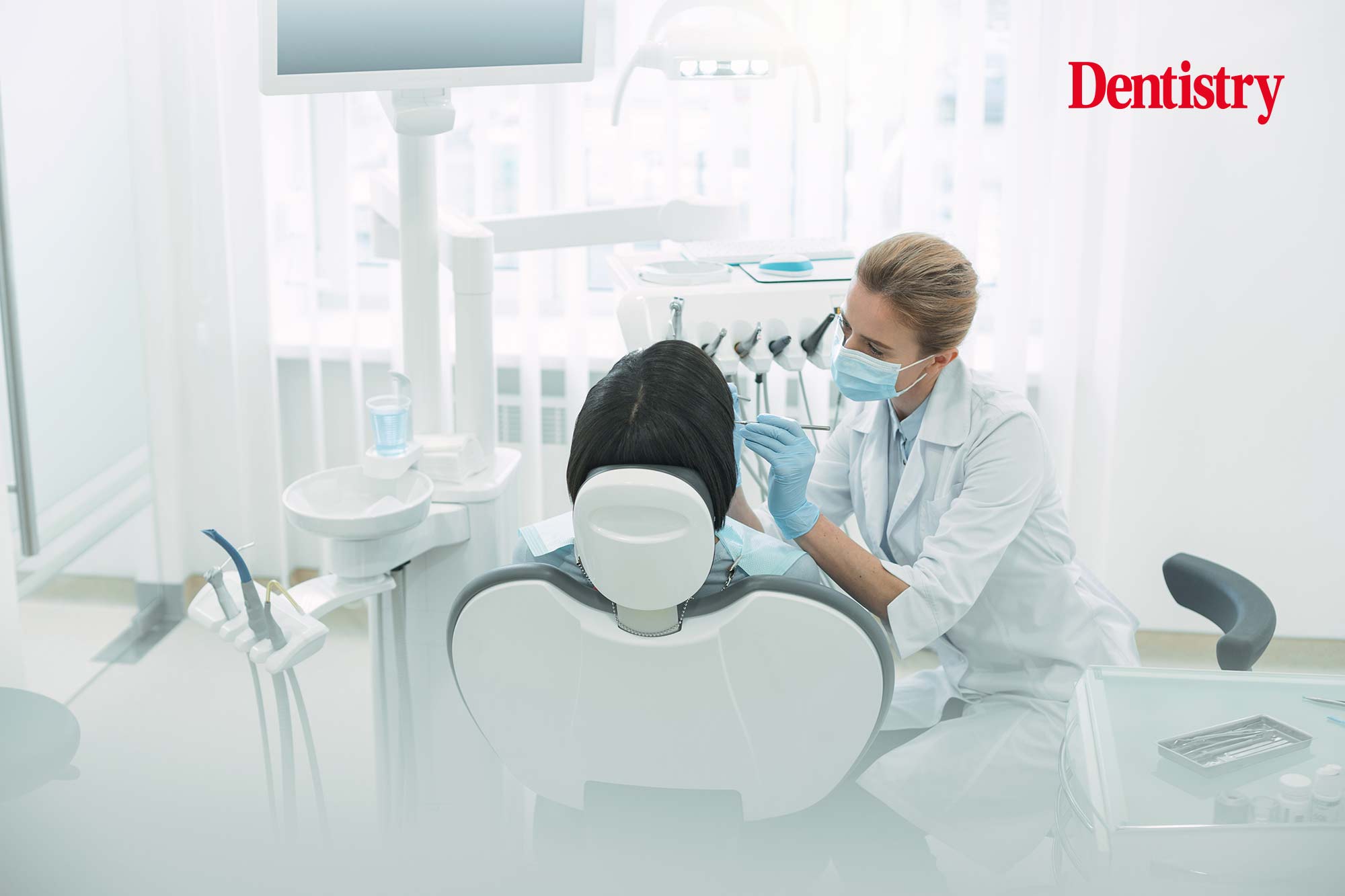
Patients across England were told they would be able to access urgent and emergency dental care as the government and NHS rolled out 700,000 extra urgent appointments.
Announced by care minister Stephen Kinnock, the move marked a commitment to a pledge made in the Labour manifesto in 2024.
The extra appointments were made available from April and have were targeted at ‘dental deserts’ – areas where patients particularly struggle to access NHS dentists. This included parts of the east of England, such as Norfolk and Waveney, where statistics show there are 31 NHS dentists respectively for every 100,000 people – significantly below the national average.
Lab-grown ‘replacement teeth’ successfully implanted into jaws
Scientists successfully grew human-like replacement teeth in a lab setting and implanted them into the mouths of miniature pigs.
Human and porcine tooth cells were combined and grown into tooth-like structures inside samples of pig tooth. This approach was taken because pigs grow many sets of teeth throughout their lifetime.
Once mostly grown, the teeth were implanted into the jaws of pigs for two months and then removed. The researchers found that the finished teeth had developed hard layers of dentin and cementum.
March
Complaints about private dentistry rise by 133% in one year
Private dental complaints in the UK more than doubled in just one year, with leaders saying it highlights the ‘challenging environment’ the profession is working in.
Released by the Dental Complaints Service (DCS), the report – which looked at complaints made in 2023 and 2024 – drew attention to the challenges faced by the profession.
The report shows a 384% year-on-year increase in complaints about access to dental care (26 in 2023 compared to 126 in 2024).
Complaints that related to a perceived failure of treatment were the most common in both 2023 and 2024.
Supervised toothbrushing launched in UK schools
A national supervised toothbrushing programme was launched for UK children aged three to five from April.
The scheme was launched in early years settings such as primary schools and nurseries in the most deprived areas of the country. The government said it is investing £11 million in local authorities to deliver the programme to institutions that sign up, with funding available from April 2025.
The Department of Health and Social Care (DHSC) said this would reach up to 600,000 children annually and provide families with support to maintain good oral hygiene practices at home.
April
‘No future for NHS dentistry without reform’, report warns
Experts called for contract reform to maintain the dental workforce as a new report identified more than 5,500 unfilled NHS dental vacancies.
The Fixing NHS Dentistry report was released by the Public Accounts Committee (PAC) in April and, as of March 2024, it found that there were more than 5,500 unfilled NHS positions including 2,700 dentist roles. Many of these postings had been vacant for at least 180 days.
The report suggested that the root of workforce issues in an NHS dental contract that is ‘not fit for purpose’. It said there is ‘no future for NHS dentistry without reform’ due to ‘fundamental issues around the affordability of NHS work’.
Only 250 non-practising UK dentists actively seeking work
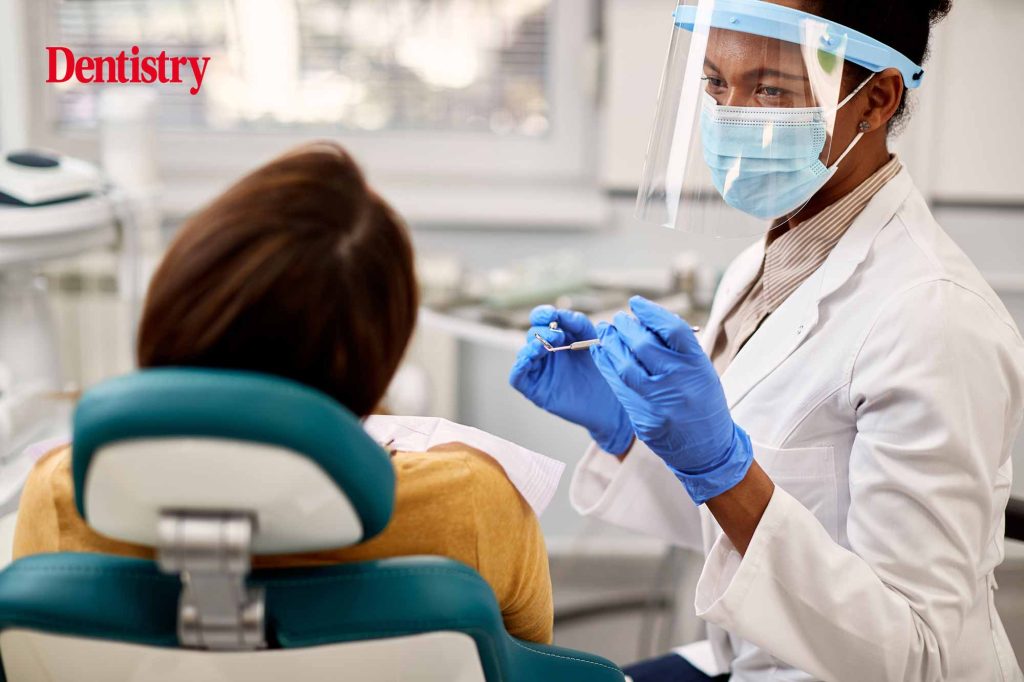
Fewer than 250 non-practising dentists were actively seeking work in dentistry, said the GDC, sparking caution from leading experts.
In its second annual set of dentists’ working patterns data, the GDC survey covered a range of insights looking into the working patterns of UK dentists.
According to the data, 98.7% of the almost 30,000 surveyed are currently working in the dental sector. Less than 1% of these (0.8%) are currently not practising but actively seeking work, while 0.1% are not practising and working in another sector.
May
‘Physically and mentally draining’: burnout reported by nine in 10 dental nurses
All dental nurses in a new study said that working in dentistry was stressful, with 92% saying they had experienced burnout.
One dental nurse described feeling ‘exhausted, frustrated and very anxious’, while another said they were ‘on edge, unable to switch off, anxious, overwhelmed, out of control’.
These are the findings of a British Dental Journal case study. Common reasons for these feelings were:
- Being undervalued by clinicians and patients
- Working within the team
- Lack of communication.
For example, one nurse said: ‘I am the only dental nurse, I don’t have anyone to talk to. If I’m having a tough time with a patient, it’s hard not having someone there at the time but also after to talk it through.’
Sexual misconduct experienced ‘by up to half of dental professionals’
Up to 48% of dental professionals could have experienced sexual misconduct firsthand, data suggested, amid warnings from the GDC about its under-reporting in dentistry.
The GDC commissioned a review of studies exploring sexual misconduct in the dental environment.
It found that the number of professionals who report experiencing sexual misconduct sits between 5% and 48%. The number that said they had witnessed misconduct ranged between 25% and 40%.
Researchers from the University of Manchester looked at 23 studies for the review, which produced varying results ‘depending on population and study context’.
June
New dental hygiene training centre to open in 2026
A university was granted £1.5 million in funding to offer courses in dental hygiene and therapy next year.
From 2026, the University of Lincoln will open the new Lincolnshire Institute of Dental and Oral Health, which will take on around 30 students in its first year.
The funding allowed university to redevelop existing facilities to create bespoke clinical teaching spaces, equipped with the latest digital and simulation technology.
It will teach a new BSc in dental hygiene and therapy alongside a foundation course designed to upskill dental nurses and other healthcare professionals.
Dentists working at fast food restaurants due to ORE access issues

Dentists are working in McDonald’s and Subway to make ends meet due to the overseas registration exam (ORE) ‘bottleneck’.
This is according to a new report by the Association of Dental Groups (ADG), called Creating Dental Oases, which has been presented to MPs in the House of Commons today (18 June).
The research suggests that 4.5 million patients are going untreated annually due to the 2,749 shortfall in the dental workforce – whilst fully-trained dentists from overseas are working in fast food restaurants due to ORE access troubles.
One dentist from overseas is on her fifth try of securing an ORE place, the process of which she describes as a ‘lottery’.
July
NHS dental contract changes announced by government
Proposed changes to the NHS dental contract were announced by the government, including a new time-limited ‘care pathway’ for higher needs patients.
The changes were put to consultation, and focused on prioritising those with urgent and complex needs.
The announcement fell under the 10-Year Health Plan, which laid out improvements for the NHS as part of the government’s Plan for Change.
Skilled worker visas axed for new dental nurses, hygienists and technicians
Sweeping changes to UK immigration rules were announced, barring new overseas dental hygienists, dental nurses and dental technicians from working in the UK via the skilled worker visa route.
From 22 July 2025, only existing visa holders with continuous skilled worker status could continue or extend their visas, according to the updated Appendix Skilled Occupations of the Statement of Changes in Immigrations Rules.
The changes to immigration rules were laid out in parliament and published on 1 July 2025. The document covered a wide ranging changes to other visas, including skills and salary threshold increases, the end of overseas recruitment for care workers and more than 100 occupations no longer having access to the immigration system.
Kevin Lewis (1949-2025): dentistry’s voice of reason
Kevin Lewis, one of the most important voices in UK dentistry, died at the age of 76 in 2025.
From general practice to dentolegal leadership, and a later role as beloved ambassador and commentator, he helped the dental profession navigate a changing landscape for more than 50 years.
His work, marked as much by reinvention as by his trademark combination of insight and warmth, touched the lives of thousands of dental professionals.
August
Toothpaste made from hair offers ‘sustainable’ way to repair teeth
Toothpaste made from hair could offer a ‘sustainable and clinically effective way’ to protect and repair damaged teeth.
In a new study published by King’s College London, scientists discovered that keratin – a protein found in hair, skin and wool – can repair tooth enamel and stop early stages of decay.
The team found that keratin produces a protective coating that mimics the structure and function of natural enamel when it comes into contact with minerals in saliva. While fluoride toothpastes are currently used to slow this process, keratin-based treatments were found to stop it completely, the study said.
Registered dental therapists increase by 52% in two years
The number of dental care professionals (DCPs) on the UK register expanded to its largest size in recent years – but one role has seen a consistent drop since 2023.
Following the annual renewal period, more than 80,650 DCPs were registered across the UK – marking a rise of 4,764 professionals (6.26%) compared to the equivalent figure for 2024.
Dental nurses remained by far the largest group, increasing from 59,238 in 2023 to 65,797 in 2025, a rise of more than 6,500 in just two years.
The number of registered dental therapists also jumped up, rising by almost 2,000 since 2023 – a significant 52% increase.
Dental technicians are the only role where numbers have declined, dropping from 5,023 in 2023 to 4,895 in 2025.
September
Dental reform announced in Wales
A significant overhaul was announced for the NHS dental contract in Wales, with a fresh focus on prevention and oral health need.
The first major reform of the contract in 20 years, under the new proposals – which came following a consultation in the summer – the unit of dental activity (UDA) system was scrapped. Instead, people would be seen based on their oral health needs, with those who need active treatment or support to maintain their oral health seen more regularly.
Those who pay for NHS treatment will pay 50% of their treatment package value, capped at a maximum of £384 regardless of how much care they need. This is a reduction from the 55% originally proposed.
The Welsh Government hoped it would ensure NHS dental care remains affordable and protects patients from unexpected costs.
Face masks release microplastics that may harm human health
Disposable face masks, such as surgical masks and filtering facepieces used in clinical dentistry, were found to release harmful microplastics in a new study.
Researchers placed unused face masks in pure water for 24 hours and assessed the quantity of microplastics and chemicals left in the water. Even without wear or movement, the masks were found to release microplastic particles and chemical additives – suggesting they are present from the manufacturing process.
Filtering facepieces were shown to release three to four times more microplastics than standard surgical masks. Most of these particles were smaller than the width of a human hair and made of polypropylene, a common plastic used in mask production. Other plastics such as polyethylene, polyester, nylon and PVC were also detected.
October
Overseas registration exam: petition launches to reform booking system
Dentistry launched a petition calling for a priority booking system to be introduced for the overseas registration exam (ORE).
According to research by the Association of Dental Groups (ADG), in June this year an estimated 5,000 fully-trained overseas dentists were in the registration queue to practise as dentists in the UK.
As a result, we believe that a quick, short-term solution to getting enthusiastic and talented overseas dentists into the UK dental system is for the GDC to introduce a priority booking system for both Part 1 and Part 2 of the exams.
This, we believe, will reduce participant anxiety, protect the reputation of UK dentistry and, ultimately, help to plug the shortfall in the dental workforce.
So far, more than 1,750 people have signed the petition.
Annual Retention Fee increase confirmed for 2026 by GDC
The GDC confirmed that the Annual Retention Fee (ARF) will increase for both dentists and dental care professionals for 2026.
The ARF now stands at £698 for dentists and £108 for dental care professionals (DCPs). This is roughly a 12.5% increase for all dental professionals, with last year’s fee at £621 and £96 respectively.
The increase followed a 12-week public consultation on the GDC’s strategy, which took place over the summer. The regulator has now agreed its Corporate Strategy 2026-2028, which designates its strategic priorities and the funding it will need to realise them.
The GDC confirmed that it would adjust the ARF ‘as needed’ from 2027 onwards. However, it said that further rises would not exceed the rate of the consumer price index (CPI) except in ‘exceptional circumstances’.
November
Dental amalgam: agreement sets global ‘phase-out date’ for 2034
A ‘global phase-out date’ of 2034 was set after which the manufacture, import or export of dental amalgam will no longer be permitted.
The landmark decision was reached at the Sixth Conference of the Parties (COP6) to the Minamata Convention on Mercury, led by FDI World Dental Federation (FDI) and the International Association for Dental, Oral and Craniofacial Research (IADR).
The agreement included an exemption that supported the joint advocacy by FDI and IADR, which ensured that even after the phase-out of dental amalgam, it can be used ‘when its use is considered necessary by the dental practitioner based on the needs of the patient’.
New gel that regenerates enamel brings ‘new opportunities’ for dentistry
A new gel that can be ‘rapidly and easily applied’ to repair and regenerate enamel could hit the market in 2026, it was announced.
The gel can be rapidly applied to teeth in the same way dentists currently apply standard fluoride treatments. However, this new protein-based product is fluoride free and works by ‘mimicking key features’ of the natural proteins that guide the growth of dental enamel in infancy.
When applied, the gel creates a thin and robust layer that impregnates teeth, filling holes and cracks in them. It then functions ‘as a scaffold’ that takes calcium and phosphate ions from saliva and promotes the controlled growth of new minerals.
December
Latest NHS dental contract changes released
The government revealed the latest overhaul of the NHS dental contract, with prioritisation given to patients with the most urgent dental needs.
Dubbed ‘the most significant modernisation of the NHS dental contract in years’ by the government, the changes followed a consultation with the sector and the public.
The reforms – which will be introduced from April next year – will include incentives for dentists to provide emergency and complex treatments through the introduction of a standardised payment package.
Previous improvement to adult oral health has ‘almost reversed’ since 2009

More than one fifth of adults in England had tooth with obvious decay, marking a ‘reversal’ of previous improvement, according to the latest adult oral health survey.
When those with at least one tooth with non-cavitated decay affecting the inner dentine were included, however, this figure increased to two fifths (41%) of dentate adults with obvious decay affecting at least one tooth.
The proportion of dentate adults with obvious decay reduced considerably between 1998 and 2009. However, there was a 13% increase in the prevalence of the disease between 2009 and 2023. ‘This is almost a reversal of the previous improvement, bringing the 2023 estimate closer to the one of 1998 rather than 2000,’ the report read.
See previous years’ round ups here:
Follow Dentistry.co.uk on Instagram to keep up with all the latest dental news and trends.