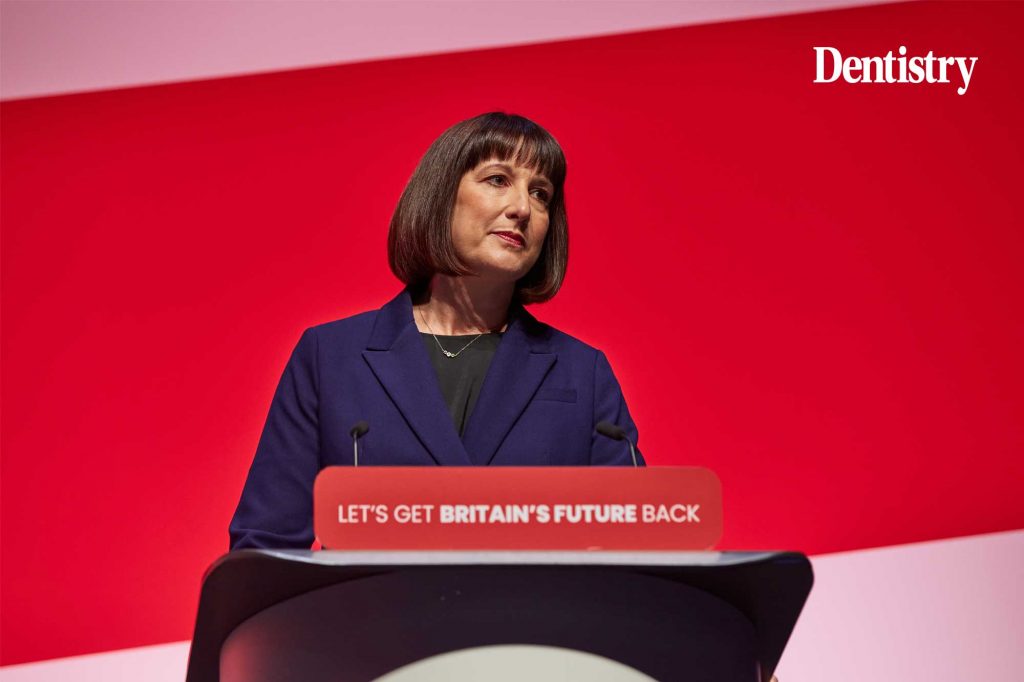
As the government has released its 2026 spring statement, experts have criticised its inaction on key issues for the dental sector.
Having committed to only one fiscal event per year (the autumn budget), the government’s spring statement was an economic forecast without major tax or spending changes. It predicted that inflation would fall towards the Bank of England’s 2% target by late 2026 to early 2027, and that unemployment would peak at 5.3% before falling to 4.1% by the end of the forecast period.
Chancellor Rachel Reeves said the UK economy is becoming more stable with falling inflation, interest rate cuts and living standards improving. She estimated that people could be £1,000 per year better off on average in real terms by the next election based on current forecasts.
What does the spring statement mean for dentistry?
The British Dental Association (BDA) has criticised the statement’s ‘total failure to deliver trailed reform of student loans’.
Last week (27 February), the association said ‘meaningful reform’ of the student loan system was ‘long overdue’. The BDA has now slammed the government’s lack of action on this matter in the statement.
Jeremy Boyles, chair of the BDA’s Young Dentist Committee, said: ‘Inaction here shows the limits of this government’s rhetoric. They’ve failed to offer any path that could lift a huge burden on young dentists. And patients desperate to access NHS care will likely end up paying the price.’
‘The fiscal landscape has shifted enough to warrant a fresh look at your strategy’
Iain Stevenson, head of dental at Wesleyan Financial Services, provided further insight on the impact of the statement on the dental profession.
He said: ‘The government’s delivered on one fiscal event per year – but dentists face plenty of change regardless.
‘April 2026 will see tax on dividends in increase, while in April 2027 the cash ISA limit drops to £12,000, and the tax rate on savings increases. In 2027, pensions also enter the inheritance tax net. For practice owners and partners, these aren’t abstract policy changes – they directly affect your take-home pay, your practice structure decisions, and your exit planning.
‘If you’re considering partnership, restructuring, or succession planning, the fiscal landscape has shifted enough to warrant a fresh look at your strategy.
‘Market volatility is back too following recent global events. For dentists investing for retirement or practice exit, you need an approach that won’t keep you up at night. Smoothed funds, for example, help manage the daily ups and downs that can derail long-term plans or cause you to make decisions based on short-term anxiety rather than long-term goals.
‘Use this moment to review where you stand – both personally and professionally. Make sure you have specialist support in place now, not when the changes are already hitting your accounts.’
Follow Dentistry on Instagram to keep up with all the latest dental news and trends.