Dental practices could play a greater role in identifying people at risk of diabetes, according to a new European white paper calling for two-way screening and referral between dental and medical services.
Medical teams should also screen for signs of oral disease as part of closer collaboration across healthcare, public health and social care, the paper said.
Oral health and systemic health outcomes: a call for interdisciplinary action was produced by the European Federation of Periodontology (EFP) and European Association of Dental Public Health (EADPH).
It said doctors, nurses and other non-dental professionals should be equipped to take a brief oral-health history and conduct a simple visual inspection.
Suggested referral triggers included persistent gingival bleeding, suspected periodontitis and a non-healing ulcer or patch lasting longer than three weeks.
What would the dental role involve?
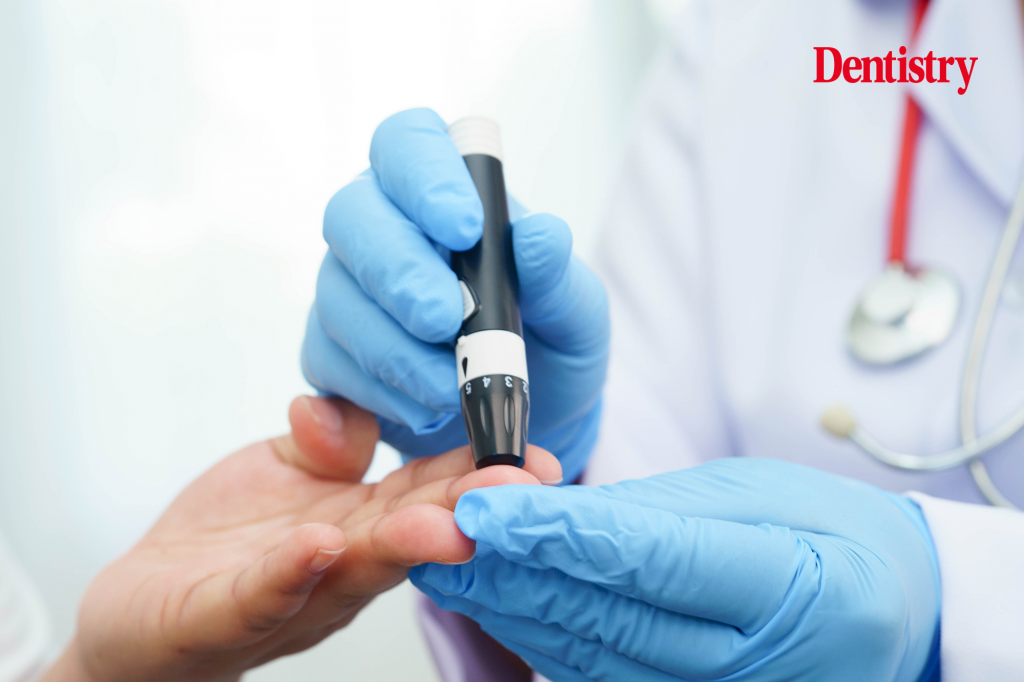
The paper said practices could use validated risk questionnaires or chairside testing of glycated haemoglobin (HbA1c) to identify patients who may require medical assessment for diabetes. Patients identified as being at risk could then be referred to medical services.
This approach is already being explored in UK dentistry. Research reported by Dentistry in March found that 35% of patients without a known history of diabetes recorded HbA1c levels consistent with diabetes or pre-diabetes.
In a subsequent interview, Tif Qureshi described how medical-history questions, chairside blood testing and referral to a general practitioner could work in practice.
However, the white paper said evidence for using periodontal measures to predict undiagnosed diabetes remained limited. Further research was needed into the clinical value, cost-effectiveness and practicality of incorporating general-health screening into dental workflows.
Periodontitis and diabetes
Among oral diseases, the paper said periodontitis had the strongest evidence of interaction with systemic health.
It cited randomised trials and meta-analyses indicating that periodontal treatment reduced HbA1c by approximately 0.3% to 0.4% within three to six months among people with diabetes.
Periodontal treatment was also associated with improvements in systemic inflammatory markers and endothelial function. However, evidence that it reduced major cardiovascular events remained insufficient.
Moritz Kebschull, principal author and past president of the EFP, said: ‘Oral health deserves a place within a more integrated approach to patient care.’
The paper also called for oral health, prevention and interprofessional working to be incorporated into the education of healthcare and social-care professionals.
Follow Dentistry.co.uk on Instagram to keep up with all the latest dental news and trends.