
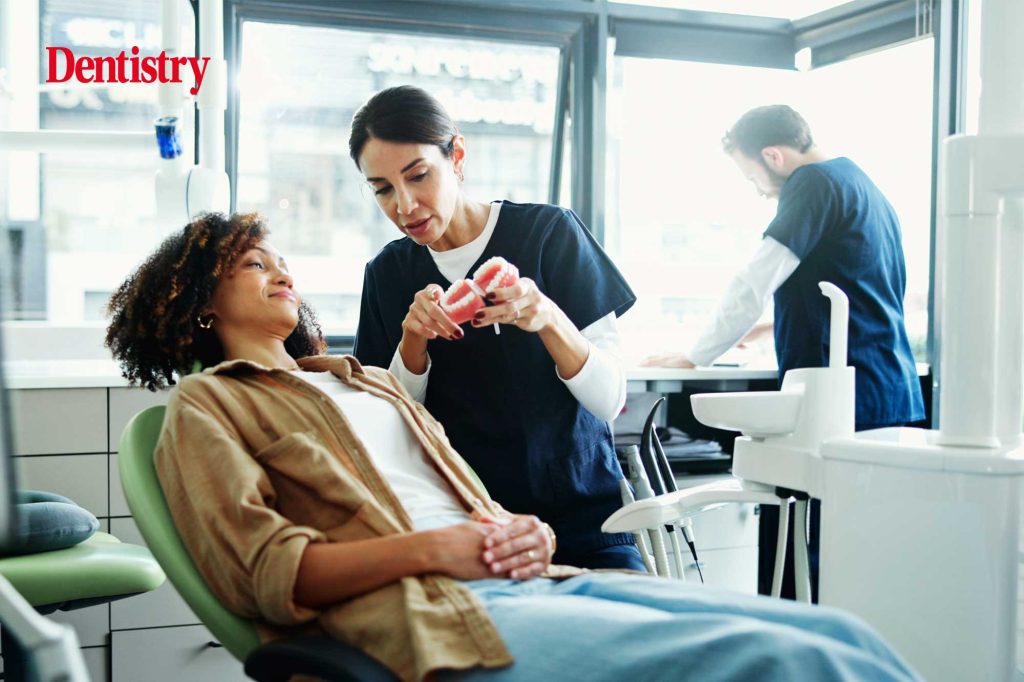
Oral-B explores how dental hygienists are moving beyond the outdated concept that their role is ‘just a scale and polish’ to reshape patient care.
Since early last century, dental hygienists have been narrowly defined by the task of ‘scaling and polishing’, despite significant expansion of their role.
To drive dentistry forward, the profession must challenge outdated perceptions and recognise the broader scope of dental hygienists’ practice.
Clinical autonomy and collaboration within a multidisciplinary team (MDT) are fundamental to transforming patient care. Any shift in mindset should inspire colleagues and stakeholders to champion the leadership potential of dental hygienists to maximise their impact.
By changing the language around dental hygiene, embracing health optimisation as a principle, and empowering dental hygienists to lead, teams can help improve patients’ understanding of the role.
These were the key themes central to a recent Oral-B Professional webinar titled ‘From scale and polish to leadership in health optimisation’.
Claire Berry, a multi-award-winning dental hygienist, and Ben Tighe, a dental therapist and tutor at The Eastman Dental Hospital, discussed the importance of a modern-day approach to the delivery of oral health care.
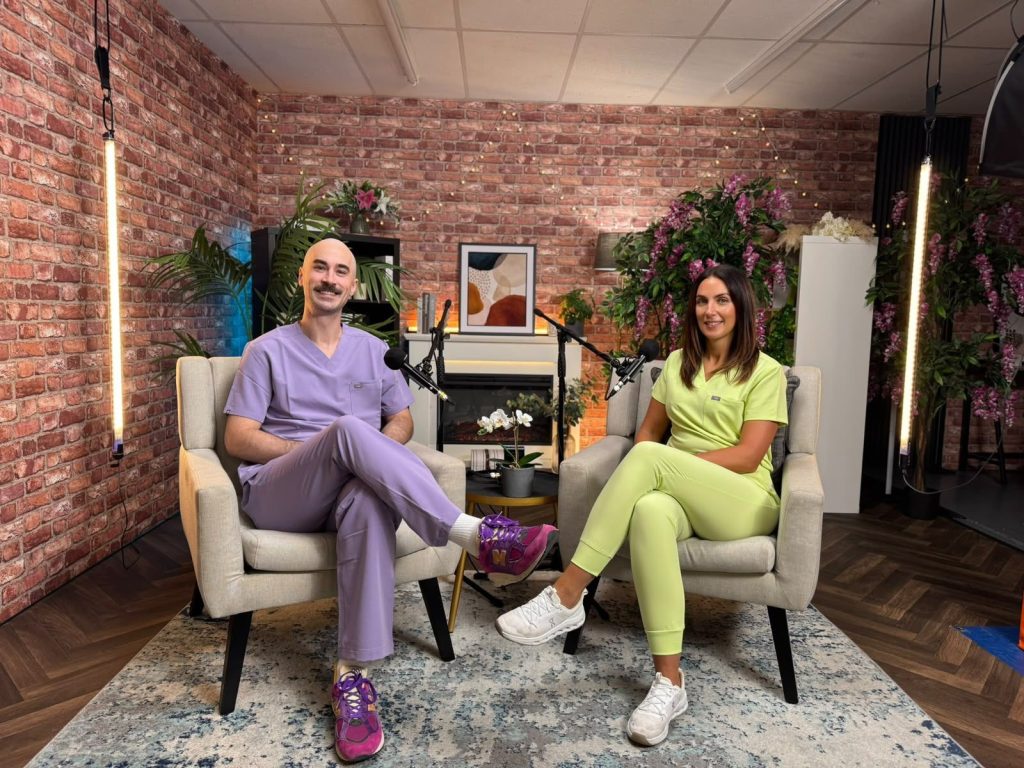
The duo hosts the podcast, Your Dental Besties, offering a fresh take on all things dental. Both are keen to consign the ‘scale and polish’ hygiene model to the history books.
During the webinar, moderated by Dr Stephen Hancocks, they advocated for greater autonomy for dental hygienists, who they say are well placed to promote systemic and whole-body health.
As Stephen observed, the term ‘scale and polish’ has historically constrained views of dental hygienists, but modern practice demonstrates that their skillset extends well beyond that scope.
A modern dental hygienist role
Ben kicked off the discussion by explaining how dental hygiene used to be task-based. ‘It was auxiliary and supportive – we were there to clean and allow the dentist to perform the intervention. But our role has evolved to be so much more than that – it now requires a three-year bachelor’s degree. It’s changed so much on the academic side, but in practice, it is almost frozen in time. With direct access, we now make our own decisions. We are triaging patients who may not have seen a dentist for years. Our role is more than just “scale and polish”.’
Better public education about the role of the dental hygienist and increased industry support are also vital.
‘Patients are consumers, so as a profession, we really have to embrace and thank industry, because without the adverts on TV, there would be no public health messages about keeping your teeth clean. Companies such as Oral-B have been so impactful and so powerful.’
Health optimisation in practice
Changing terminology to ‘oral health optimisation’ is an empowering step that can motivate patients. Claire said that rephrasing hygiene in this way has allowed her the freedom to optimise their health.
‘Our practice developed a health optimisation workflow in which every single patient, following a consultation, went through my department. I then placed them on recall based on need, and I became the gatekeeper for treatment.’
Not only did it improve the hygiene department’s results, but it also meant the practice had a healthier patient base, ensured treatment longevity, and enabled the whole team to achieve better outcomes.
A full patient assessment underpins the model. Claire said: ‘We look at lifestyle factors and systemic health to help them improve their oral health, but also look at their oral health to improve their systemic health. It’s bi-directional.’
Helping patients understand biofilm
As Ben noted: ‘Dental hygienists and therapists are good with risk assessment, data collection and having those conversations with patients.’
He believes that using the term ‘biofilm’ helps patients understand that dental hygiene is holistic and prompts important conversations about its impact on systemic health.
‘It’s about coaching our patients, and the Oral-B Test Drive has been highly impactful for dental hygienists because they can use it directly in the patient’s mouth. When you get that patient engaged and motivated, they start to get healthy.’
Claire agreed: ‘I’m a big fan of disclosing, and I use the Oral-B Test Drive with every patient to show them where the biofilm is and how to remove it.’
She added that, importantly, downplaying a diagnosis should be avoided.
‘We must have honest conversations with patients about suboptimal outcomes. Evidence shows electric toothbrushes remove biofilm more effectively, so we must provide evidence-based advice.’
Educating patients about biofilm and disease mechanisms can strengthen trust and partnership, encouraging dental hygienists to feel confident in taking ownership of patient health management.
This empowerment, alongside industry support, helps patients link oral care to systemic health and improve outcomes through evidence-based guidance, thereby advancing the professional delivery of dental care.
Beyond the scale and polish: the future of clinical leadership
Change is happening, albeit slowly, but the duo suggests this will accelerate as younger dentists, who have been exposed to integrated clinical training, progress through their careers to take on practice ownership.
By creating MDT care models similar to those in the medical sector, the entire dental team can jointly consider and manage patient cases to deliver better outcomes. In the meantime, Claire and Ben urge practices to give clinical autonomy to their dental hygienists and promote their modern-day role to patients.
‘We are heading in that direction,’ Claire said. ‘It’s an exciting time to be a dental hygienist and therapist.’
Indeed, they are both confident enough in the profession to support dental hygienists and therapists in their development as future clinical leaders.
‘We bridge medicine and dentistry,’ Ben observed. ‘With more dental hygienists empowered and industry on board, we can connect the mouth and body, a goal Claire and I have long championed.’
The full webinar is available to watch on demand on the Oral-B Professional website. Simply click here and register.
This article is sponsored by Oral-B.


