
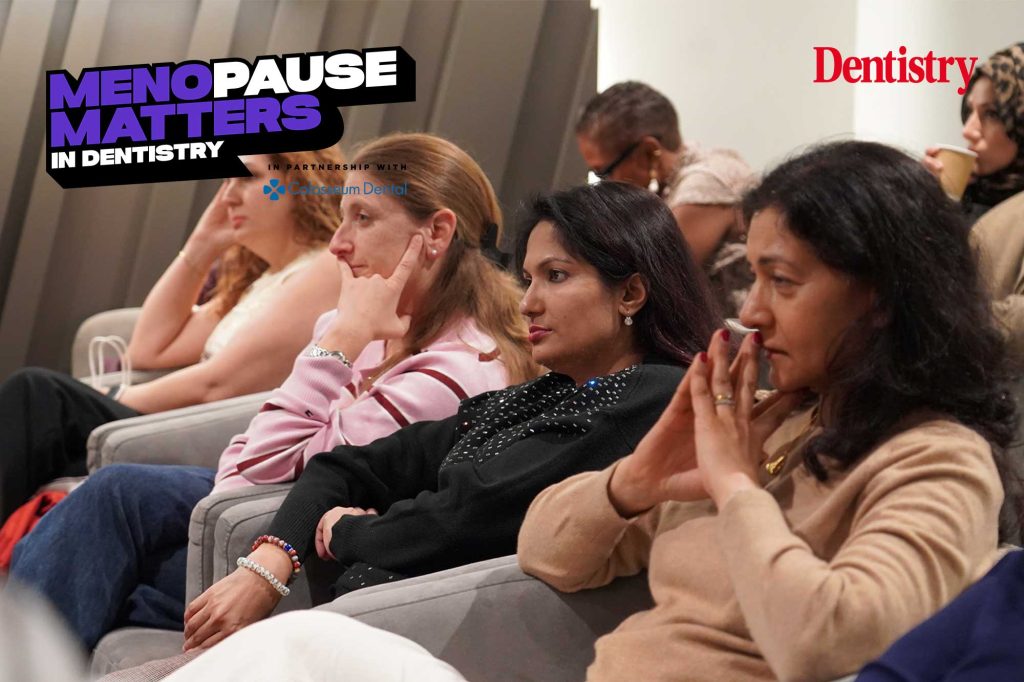
Shandy Vijayan shares how Her Dental Network came together to address topics such as libido, physical discomfort and identity during menopause which are too often considered private or taboo.
A room full of women, talking openly about sex. About low libido, hot flushes and disturbed sleep. About brain fog, fatigue, anxiety and overwhelm. About feeling less like yourself, without quite being able to explain what has changed.
About the impact on relationships, working lives and the confidence you once took for granted.
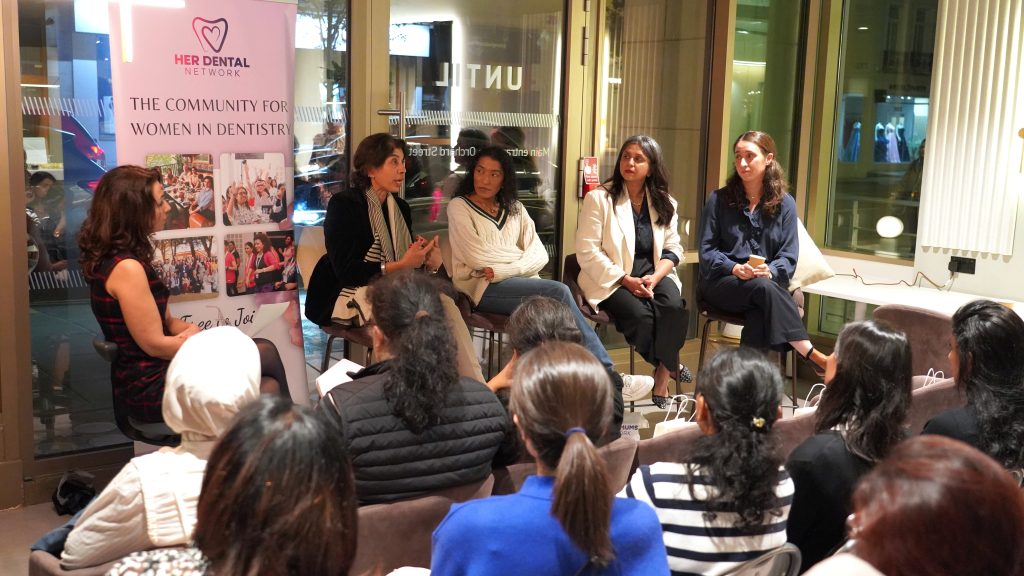
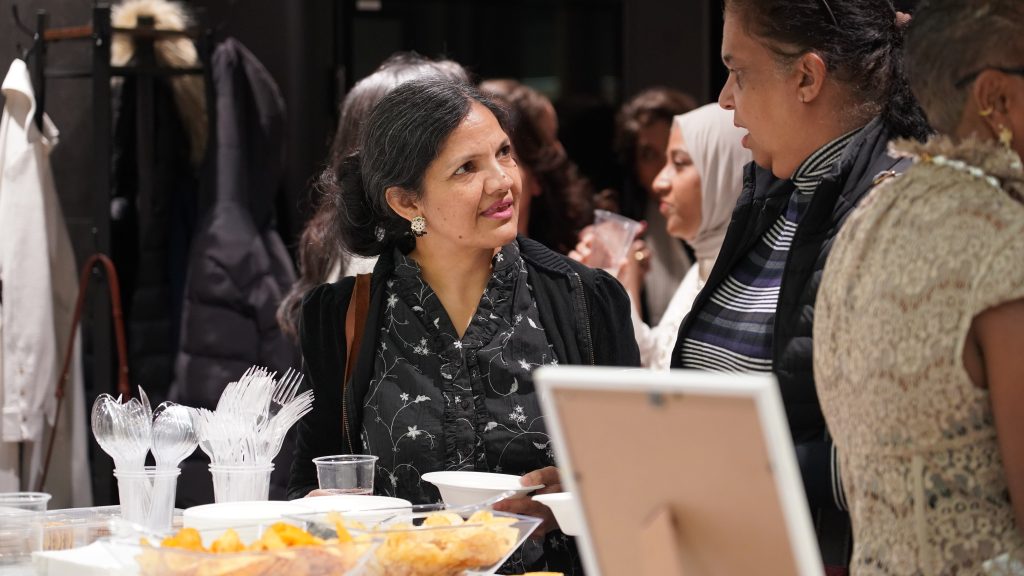
These subjects can be difficult to raise, even with people we know well. Yet at our Her Dental Network menopause event on 16 October at UNTIL Marylebone, women felt comfortable talking about them together.
As a co-founder of the network, that openness was what stayed with me.
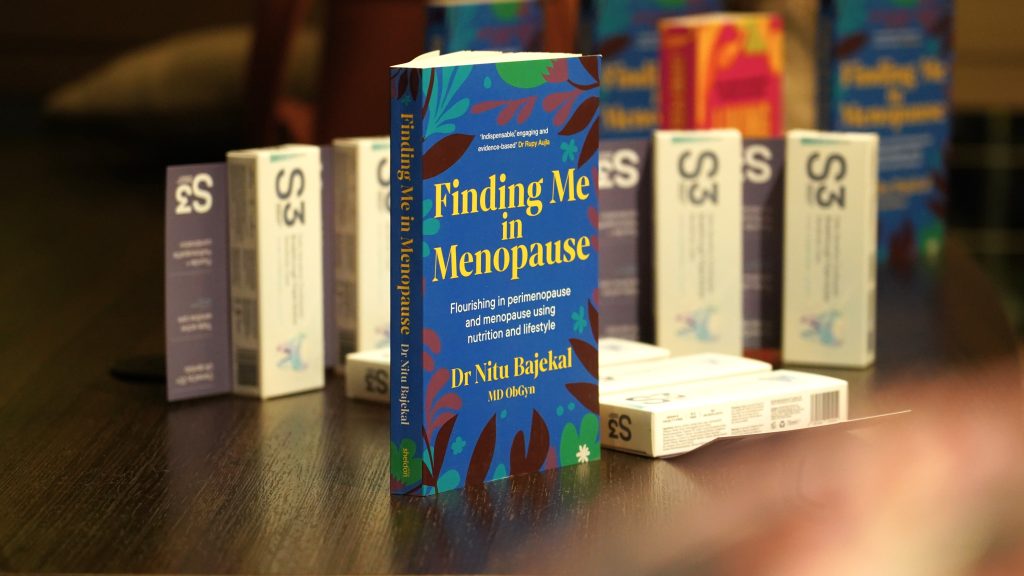
We brought women together in partnership with Bupa Dental Care, with support from S3 Toothpaste, to make space for an honest conversation. Hearing experiences discussed openly can help someone recognise what she has been struggling to explain, or find the words to ask for help.
For a profession so accustomed to looking after others, there was something powerful about pausing to consider our own health.
Learning from our speakers
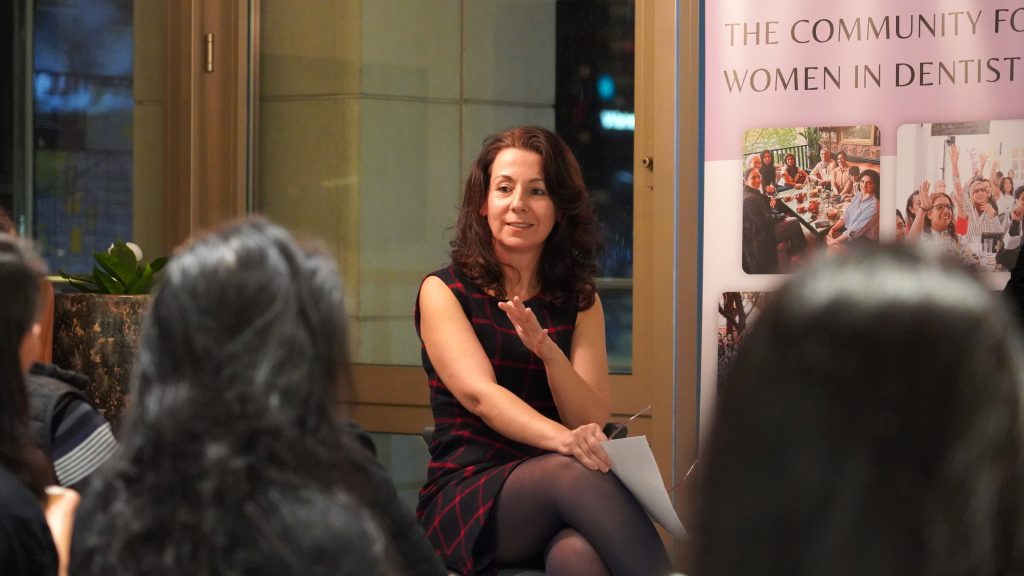
We learnt from Dr Nitu Bajekal, Dr Maitri Shila Tursini, Dr Nikita Mehta and Dr Arti Shah, with the conversation moderated by Dr Makbule Sipahi.
Their contributions helped us explore the many ways menopause can affect women’s health, relationships and working lives. Alongside recognising symptoms, we discussed the importance of seeking support, understanding management options and feeling comfortable asking questions about our own bodies.
The openness between the speakers and the women in the room made it possible to raise subjects that too often remain private.
Recognising the changes
Hot flushes are widely recognised. The wider picture can be much harder to identify.
Perimenopause can bring changes in sleep, mood, concentration, menstrual patterns and sexual wellbeing. Symptoms may begin while periods are still happening, and experiences vary considerably.
A woman may notice unfamiliar anxiety. Another may feel overwhelmed by responsibilities she previously managed comfortably. Someone else may struggle with broken sleep, then spend the following day exhausted, irritable and wondering why everything feels harder.
It can be difficult to recognise a pattern when each symptom has a plausible explanation. Work is demanding. Family life is busy. There is always something else to do.
These changes should not automatically be attributed to menopause. Other causes may need assessment. But recognising perimenopause as a possibility can help women seek appropriate advice rather than repeatedly dismissing their symptoms.
There is no need to wait until symptoms become unbearable before speaking to a GP. NHS guidance on menopause and perimenopause symptoms explains when to seek advice.
Why this matters in dentistry
Think about what a working day asks of a dental professional.
We need concentration, precision, physical stamina and the ability to reassure patients. We work to busy diaries, often with limited opportunities to pause.
Now consider doing that after several nights of disrupted sleep, while managing a hot flush beneath PPE or feeling unusually anxious before a familiar procedure.
Brain fog can feel particularly unsettling in a profession where being organised and dependable matters so much. A difficult day may leave someone questioning herself long after she has gone home.
The conversation belongs across the whole dental team, including nurses, hygienists, therapists, receptionists, practice managers and dentists.
Everyone should know who they can approach privately and what support might be available. Asking for help needs to feel possible before someone reaches a crisis.


Turning recognition into care
Recording symptoms, changes in periods and their effect on daily life can help prepare for a healthcare appointment. A short written account makes it easier to explain what has changed and which problems matter most.
That includes anxiety, overwhelm and changes in confidence. Emotional symptoms deserve attention alongside physical symptoms.
Management should reflect the individual’s symptoms, medical history and preferences. HRT is one option to discuss with a clinician. Non-hormonal treatments are also available, while cognitive behavioural therapy can help with symptoms such as sleep difficulties and the impact of hot flushes. NHS guidance on menopause treatment outlines the options.
Sexual wellbeing deserves the same care and attention.
Vaginal dryness, discomfort during sex and reduced desire can be difficult to mention, but they are valid reasons to seek advice. Vaginal moisturisers, lubricants and prescribed vaginal oestrogen may help with dryness and discomfort. Persistent low desire can also be assessed, including the physical, emotional and relationship factors that may contribute.
Women deserve to feel comfortable raising these concerns, without minimising them or apologising for asking.
Supporting health day to day
Regular movement, including resistance exercise and weight-bearing activity such as walking, supports muscle and bone health. A varied diet containing calcium-rich foods, attention to sleep and reducing personal triggers such as alcohol or caffeine may also help. These changes need to be manageable, particularly when fatigue is already affecting everyday life. NHS self-care guidance has further information.
There is also a crowded market of menopause supplements. Before spending money, check the evidence and speak to a pharmacist or clinician. The effectiveness and safety of many herbal remedies remain uncertain, and some can interact with medicines.

Making support visible at work
A supportive practice makes it easy to begin a confidential conversation.
A manager can ask what would help, agree practical changes and arrange a time to review them. Depending on the individual and her role, support might include access to drinking water, a more comfortable room temperature, protected breaks or flexibility in working arrangements.
Acas guidance on menopause at work encourages employers to understand the effects of menopause and respond to individual needs.
A policy provides a starting point. Its value becomes clear when someone needs to use it.
Can a colleague explain that she is struggling and feel listened to? Does she know where to find reliable information? Does the conversation lead to practical help?
Support should also respect privacy. No one should feel obliged to share intimate details with colleagues to have her concerns taken seriously.
Taking the conversation forward
Our evening showed how valuable it can be to have room for questions that women may have kept to themselves.
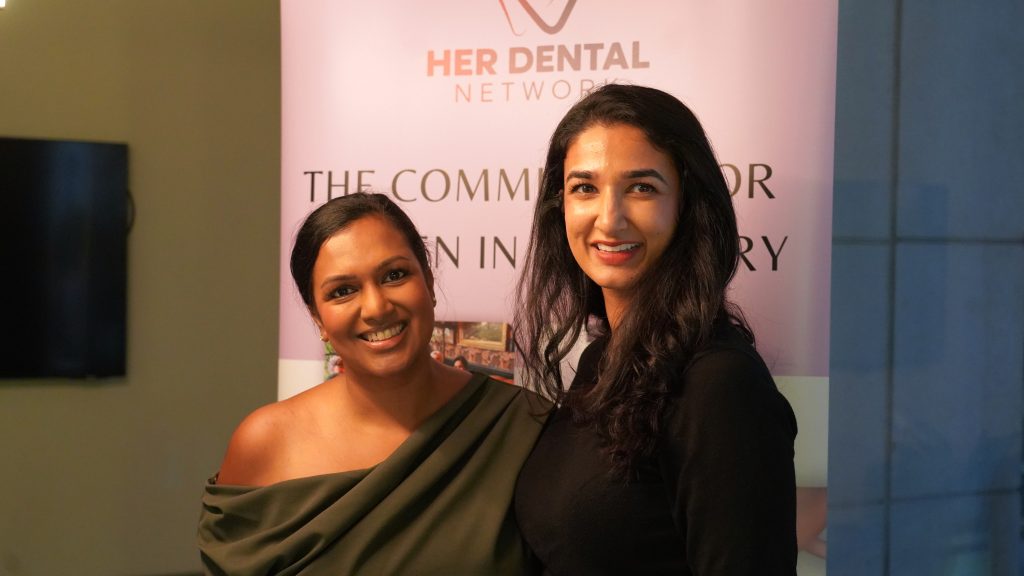
Through Her Dental Network, Raabiha and I want to keep creating opportunities for women to share experiences, access reliable information and find support.
For anyone recognising herself in these words, a GP appointment is a useful place to begin. The NHS, Women’s Health Concern and The Menopause Charity also provide information to help women understand their options.
Feeling less like yourself deserves attention. Persistent anxiety, exhaustion, discomfort or overwhelm deserve a conversation.
Women should come away from that conversation knowing that symptoms can be assessed, management options exist and help is available.
The openness we experienced and the expert knowledge shared in that room is something we want women to carry into their healthcare appointments, their relationships and their working lives.
We look forward to exploring these and many more conversations at our next annual Thrive Together 2, on 10 July 2027 at the Leonardo Royal London St Paul’s hotel. Join us for another opportunity to connect, learn and feel supported alongside women from across dentistry.
Create a free account for unlimited access — plus the Dentistry Bulletin delivered to your inbox.


