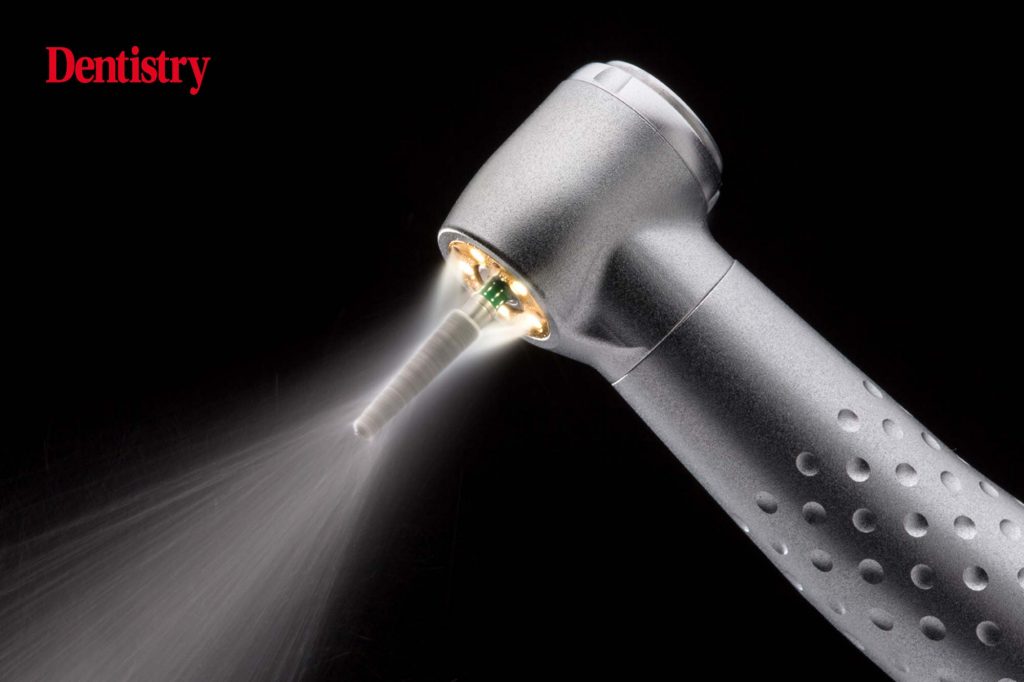
Is your dental handpiece slowing you down? Discover five signs that performance, comfort and efficiency may be suffering.
Your dental handpiece may still be running, but that does not necessarily mean it is performing as it should. These five warning signs can reveal when an everyday essential is affecting efficiency, comfort and consistency.
Dental handpieces are among the most frequently used instruments in practice. Because they are so familiar, gradual changes in their performance can be easy to overlook. A little more pressure here, an extra few seconds there or a handpiece that sounds slightly different may not appear urgent. Across a full clinical day, however, these small compromises can add up.
Recognising the early signs of poor dental handpiece performance can help the team act before an instrument fails, disrupts the diary or affects the treatment experience.
1. Cutting feels slower than it should
A handpiece should deliver predictable power when the bur meets the tooth or restorative material. If cutting is taking longer, the instrument stalls under load or you find yourself applying more pressure, performance may have deteriorated.
This can become particularly noticeable during longer preparations or when working with high-strength restorative materials. Clinicians may begin changing burs more frequently, altering their technique or allowing extra time for procedures without realising that the handpiece itself is contributing to the problem.
It is worth checking the bur and the unit’s air pressure or motor settings first, in line with the relevant instructions. Comparing performance with another compatible handpiece can also help establish whether the problem lies with the instrument. If the issue follows the handpiece rather than the bur or dental unit, it may be time for inspection. Compensating with additional force can increase fatigue and reduce the sense of control; it does not address the underlying issue.
2. The sound, vibration or temperature has changed
Clinicians quickly become accustomed to the normal sound and feel of their equipment. A new whine, rattling during operation, roughness on rundown or increased vibration should therefore be taken seriously. These changes can indicate wear, contamination or problems within the head or bearings.
Because deterioration is often gradual, it can help to compare instruments of the same type. A noticeable difference in sound or smoothness can provide an early indication of a developing fault, even when the handpiece is still able to operate.
Unusual heat is an especially important warning sign. Stop using an instrument that becomes hotter than expected and follow the manufacturer’s guidance. Heat, noise and vibration are not simply irritations: they can affect patient comfort, clinician confidence and the precision of a procedure.
Identifying the problem early may also prevent further internal damage and a more disruptive failure later.
3. Cooling and visibility are less reliable
An effective spray helps cool the treatment site and clear debris from the working area. Weak, uneven or misdirected water spray can compromise both visibility and cooling, while a blocked nozzle may turn a small maintenance issue into an interruption during treatment.
Changes in spray performance may not be immediately obvious. Water may still be present, but not reaching the bur or treatment site effectively. Deposits, debris, damaged seals or problems with the coupling can all affect delivery, making visual checks before use a worthwhile part of the routine.
The same applies to illumination. A dim or intermittent light, or an illuminated area that no longer meets your needs, can encourage the operator to adjust position repeatedly to see clearly. This may slow the procedure and contribute to less favourable working postures. Check the water supply, filters, nozzles, couplings and light source as directed by the manufacturer. Persistent problems require further assessment rather than a workaround.
4. Bur changes have become a struggle
The chuck is a small component with a critical job. A bur that is difficult to insert or remove, does not engage fully, appears to slip or requires excessive force at the push button is a clear reason to stop and investigate.
A problem may initially appear only occasionally, perhaps after reprocessing or during a longer procedure. Intermittent faults should not be dismissed. Recording when the issue occurs can help the practice identify a pattern and provide useful information if the instrument is sent for assessment.
Before blaming the handpiece, confirm that the bur is undamaged and has the correct shank. It is also important to avoid forcing a bur into position, as this may cause additional damage. If the issue continues with suitable burs, remove the instrument from use and arrange a professional check. Secure bur retention is fundamental; this is not a fault to monitor while continuing to work.
5. It is creating friction in the working day
Not every limitation presents as a mechanical fault. A handpiece may be technically operational but still feel poorly balanced, restrict access, obscure the treatment site or contribute to hand and wrist fatigue. Modern procedures and restorative materials can also expose limitations that were less noticeable when the instrument was selected.
Pay attention to how the instrument affects posture and handling. A bulky head, awkward connection, limited visibility or excessive hose drag may lead clinicians to grip more firmly or reposition themselves repeatedly. These small adjustments can become significant when the same instrument is used across multiple appointments.
Look beyond the individual clinician, too. Are procedures regularly taking longer? Are certain handpieces avoided by members of the team? Or are repairs becoming frequent, or does limited availability make decontamination turnaround and scheduling harder?
Inviting feedback from everyone who uses and reprocesses the equipment can reveal problems that might otherwise remain hidden. These patterns can point to a wider mismatch between the equipment and the demands of the practice.
When handpiece maintenance is no longer enough
Good dental handpiece maintenance remains essential. Cleaning, lubrication, sterilisation and servicing should always follow the manufacturer’s validated instructions, with staff trained to carry them out consistently. UK decontamination guidance also advises that faulty or damaged instruments are taken out of use and repaired or replaced.
Maintenance cannot restore every loss of performance, however. Keeping a simple record of faults, repairs and downtime can help a practice distinguish an isolated problem from a recurring cost.
The key question is not merely whether a handpiece still runs, but whether it supports precise, comfortable and efficient dentistry. If the answer is becoming less certain, it may be time to reassess.
Follow Dentistry.co.uk on Instagram to keep up with all the latest dental news and trends.