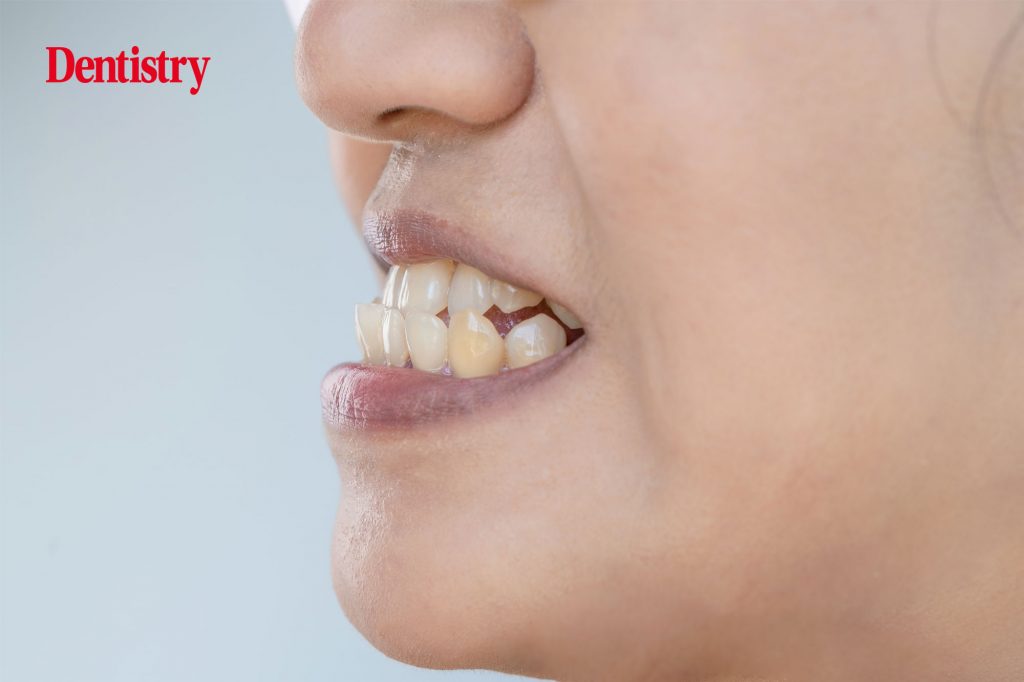
Malocclusions such as anterior crossbite have been linked with a greater risk of tooth loss in a new study.
A research team from Tohoku University, Japan divided more than 17,000 adults over the age of 40 into four categories: normal occlusion, anterior open bite, anterior crossbite and combined malocclusion. They compared this to the number of each group who had more than 19 teeth remaining to determine if there were differences between the categories.
Anterior crossbite was found to be linked with higher prevalence of tooth loss in adults, with a 1.14 times higher likelihood of losing molars.
The same was not true of adults with anterior open bite, which was associated with a lower prevalence of posterior tooth loss in the study. The researchers said this demonstrates that different anterior malocclusions may influence tooth retention in distinct ways.
How do malocclusions contribute to tooth loss?
Kento Numazaki, first author of the paper, said: ‘Having fewer than 20 teeth affects chewing, nutrition, frailty, and healthy life expectancy. Therefore, identifying this risk is important for public health. Our findings suggest that bite alignment – in addition to cavities and gum disease – may be related to long-term tooth retention. This highlights the importance of regular dental check-ups and appropriate orthodontic evaluations.’
The data used in the study was sourced from the Community-Based Cohort Study and Three-Generation Cohort Study, some of the largest general population-based cohorts available. The research team said this provides the first clear population-level evidence linking anterior crossbite to tooth loss. They now plan to investigate the effects of anterior crossbite on tooth loss and oral health beyond Japan.
‘The next step will be to conduct longitudinal studies to better understand how tooth loss progresses over time in individuals with anterior crossbite,’ said Numazaki. ‘In the longer term, we hope to explore whether the associations observed in Japan are also seen in other populations, potentially through future international collaborations.’
The study was published in Clinical Oral Investigations.
Follow Dentistry on Instagram to keep up with all the latest dental news and trends.