
Digital dentistry: three decades of transformation
Digital dentistry: three decades of transformation
Over the past 30 years, digital technology has profoundly reshaped the dental profession. What began with early experiments in CAD/CAM and digital radiography has evolved into a sophisticated, fully integrated ecosystem of digital tools that touch almost every aspect of clinical practice.
From diagnosis and treatment planning to patient communication and laboratory collaboration, digital dentistry has not just transformed how clinicians work. It’s rewritten patient expectations, dental education, and the broader business of care delivery.
In this article, five expert voices chart the evolution of digital dentistry – from its pioneering past to its rapidly advancing present and the transformative future on the horizon.
Kicking things off, Julian Caplan reflects on the earliest challenges of digital adoption. He reflects on the transition from early scanners to the sophisticated, highly accurate systems available today, explaining how these innovations have enabled dentists to gain confidence in digital workflows and vastly improve clinical outcomes.
Maggie Andi turns the spotlight on what digital integration means in everyday practice. From cloud-based management systems to AI-assisted diagnostics and 3D-printed restorations, she highlights how seamlessly integrated technology not only enhances practice efficiency but also elevates the patient experience – making dentistry more accessible, accurate and empathetic.
Injecting a note of caution, Alif Moosajee reminds us of the human element. He argues that digital dentistry is a powerful tool – but one that must be grounded in sound clinical judgement. His perspective underscores the importance of balancing innovation with responsibility, ensuring that digital tools augment, rather than replace, human skill and ethical care.
Jameel Gardee discusses how digital transformation is reshaping dental education. He examines the growing expectations placed on graduates and the urgent need for curricula, industry partnerships, and faculty development to keep pace with digital advancement.
Finally, Nick Fahey looks to the future. With a forward-facing view, he outlines how AI, robotics, regenerative materials, and personalised diagnostics are converging to drive dentistry into a new era – one focused not just on treatment, but on prevention, wellness and precision care.
Together, these contributors offer a comprehensive and grounded perspective on how digital dentistry has developed – and where it’s going next. This article explores the major developments in digital dentistry over the past three decades, highlights the impact of these innovations, and considers what the next 30 years might hold.

From early innovation to mainstream practice
From early innovation to mainstream practice
The roots of digital dentistry can be traced back to the mid-to-late 1980s, when pioneering CAD/CAM systems such as CEREC were introduced to enable chairside design and milling of ceramic restorations. These early systems were groundbreaking but far from perfect – they were expensive, had steep learning curves, and offered results that were often inferior to those from skilled technicians. As a result, adoption was initially limited to a small number of technology-forward practices.
Simultaneously, digital radiography began to emerge, offering dentists faster imaging, the ability to manipulate contrast and magnification, and reduced radiation doses for patients. In its early phase, digital radiography was largely confined to well-funded practices, but over time it became standard.
The pace of innovation accelerated in the late 1990s and early 2000s with the development of more user-friendly and accurate intraoral scanners. These devices replaced traditional impression materials in many cases, improving patient comfort and clinical precision. By the mid-2000s, cone beam computed tomography (CBCT) brought 3D imaging into the general practice, transforming treatment planning in implantology, endodontics, orthodontics, and even oral surgery.

How has technology shifted over time?
Julian Caplan is a leading voice in digital dentistry and the inaugural president of the Digital Dentistry Society UK. Here, he explores the early challenges of digital adoption and how the experience of use has transformed over the past 30 years.
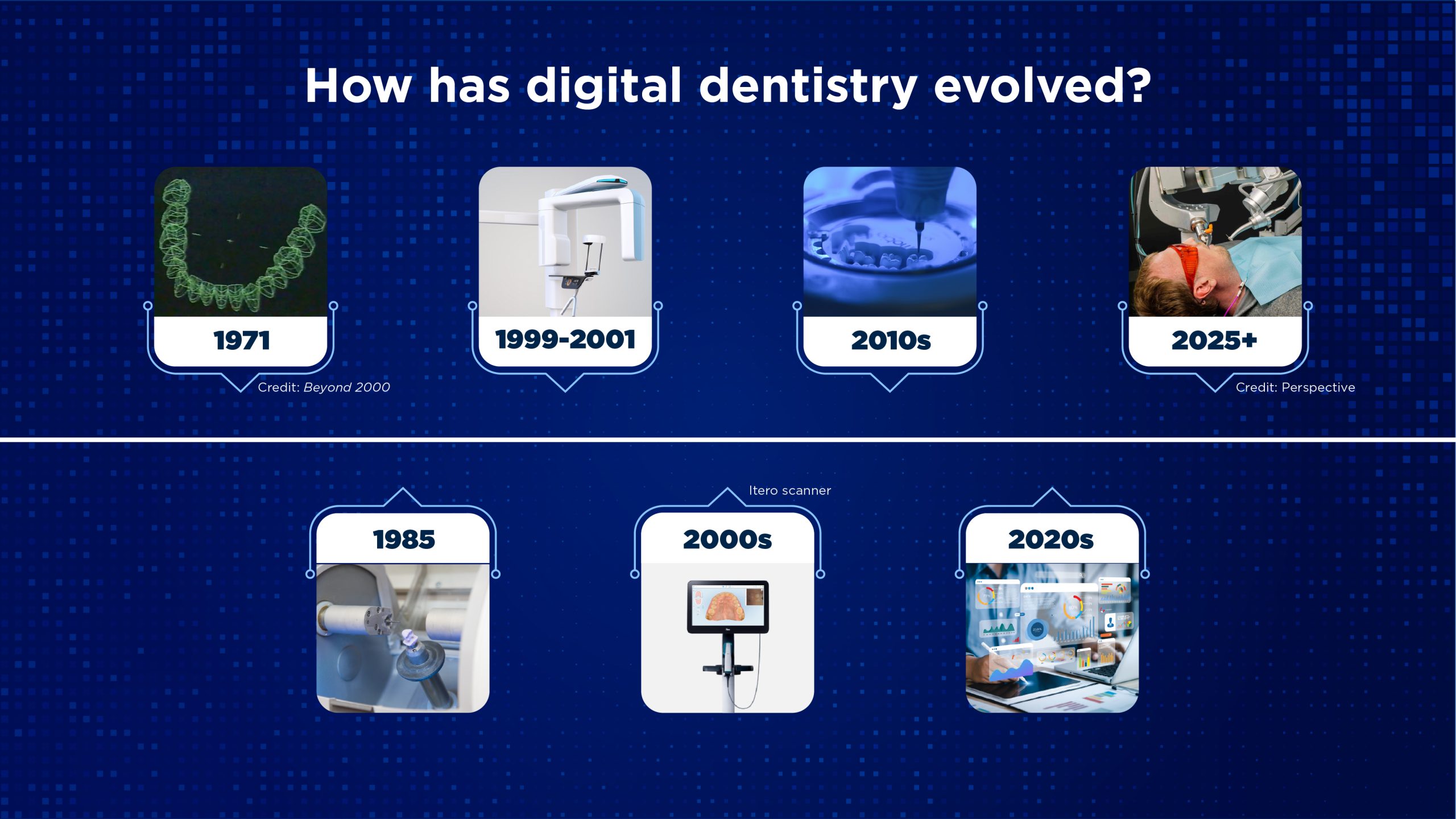
Francois Duret developed the first intraoral scanner in 1971. He linked this technology with a milling machine to allow for in-surgery porcelain restorations to be produced.
As with all new ideas, there are well known stages of development ranging from innovators and early adopters through to laggards. In order for new ideas to become mainstream a so-called ‘chasm’, as described by Geoffrey Moore, needs to be crossed from these early adopters in order for these technologies to become common usage.
We are now at the stage where, with scanners that are more affordable and considerably easier to use than the first intraoral scanners, this chasm has truly been leapt.
In order for dentists to feel comfortable in utilising this technology, an important advancement is the considerable improvement in the precision of intraoral scanners. Along with vastly improved speed of scanning, this has given dentists the confidence to provide either highend immediate restorations for their patients or to apply this technology to many other dental techniques and clinical situations.
Some examples of these are:
- Assessing occlusion to diagnose pathological interferences
- Greatly simplifying the production of occlusal splints
- Monitoring changes in occlusion and morphological changes
- The production of dental prostheses by either milling or printing from the digital data gained
- Combining it with other technologies such as dental printing to produce multiple restorations in a more timely manner, CBCT scans to allow for more accurate implant planning, and the production of surgical guides for the placement of dental implants.
The benefits of digital dentistry
There are many benefits to moving your practice into the realm of digital. These include:
- Greater patient comfort, especially with the scanner heads becoming smaller and the scanning speed vastly increasing
- The ability to assess preparation design and clarity to allow immediate feedback for refinement prior to the final definitive scan, rather than waiting for feedback from the technician that may require the patient to return for a second visit
- Immediate adjustment of part of a scan rather than the old issue of having to retake impressions due to air bubbles, drags and other distortions
- More streamlined and controllable workflows for many procedures
- Improved communication with dental laboratories with immediate dental technician feedback.
How is the technology being used?
There are three main technologies that are used in intraoral scanning:
- Triangulation
- Confocal microscopy
- Active wavefront sampling.
The assessment of the scanning accuracy of this technology is usually done locally (single tooth) or globally (across the arch). A study by Osnes and colleagues (2021) showed that the arch width between the second maxillary molars was 55.44 mm with a laboratory standard Solutionix scanner, while a scanner using confocal microscopy measured it at 55.439 (+/- 0.075)mm.
In comparison, a scanner using triangulation measured the same distance to be 54.672(+/- 0.65)mm. The mean proportion of the confocal microscopy scans deviating beyond 0.1mm when compared to the Solutionix was 0.7(+/-2.0)%, whereas the equivalent for the triangulation scan was 42.1(+/-2.5)%.
This highlights the difference in accuracy depending on the technology used.
Digital dentistry has come a long way since its inception in 1971. The multiple technologies, ranging from intraoral and CBCT scanners to printers and upcoming AI advancements, are and will make a profound change in the lives of dentists, as well as the treatment and experience their patients receive.
Four key developments that changed the profession
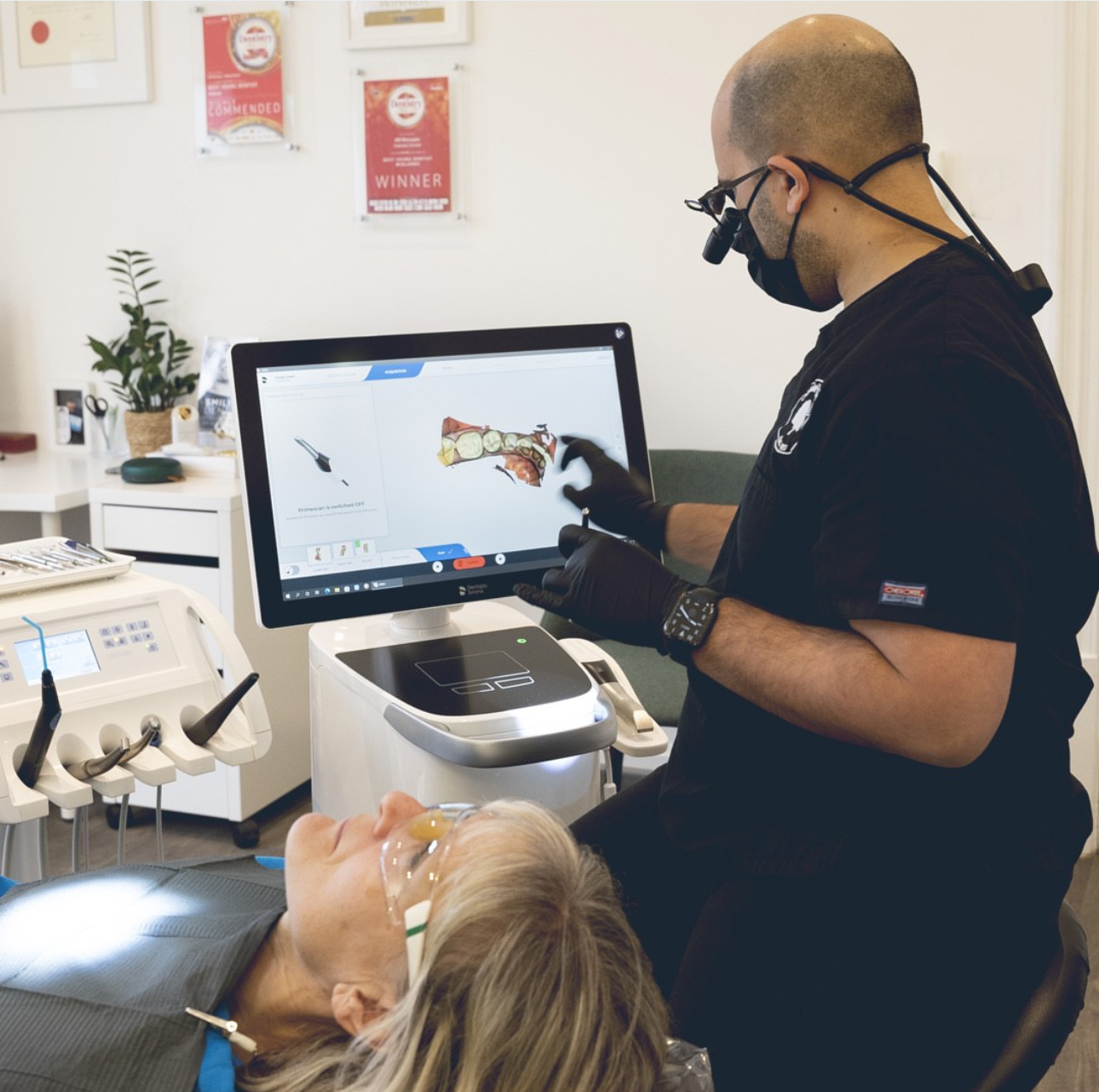
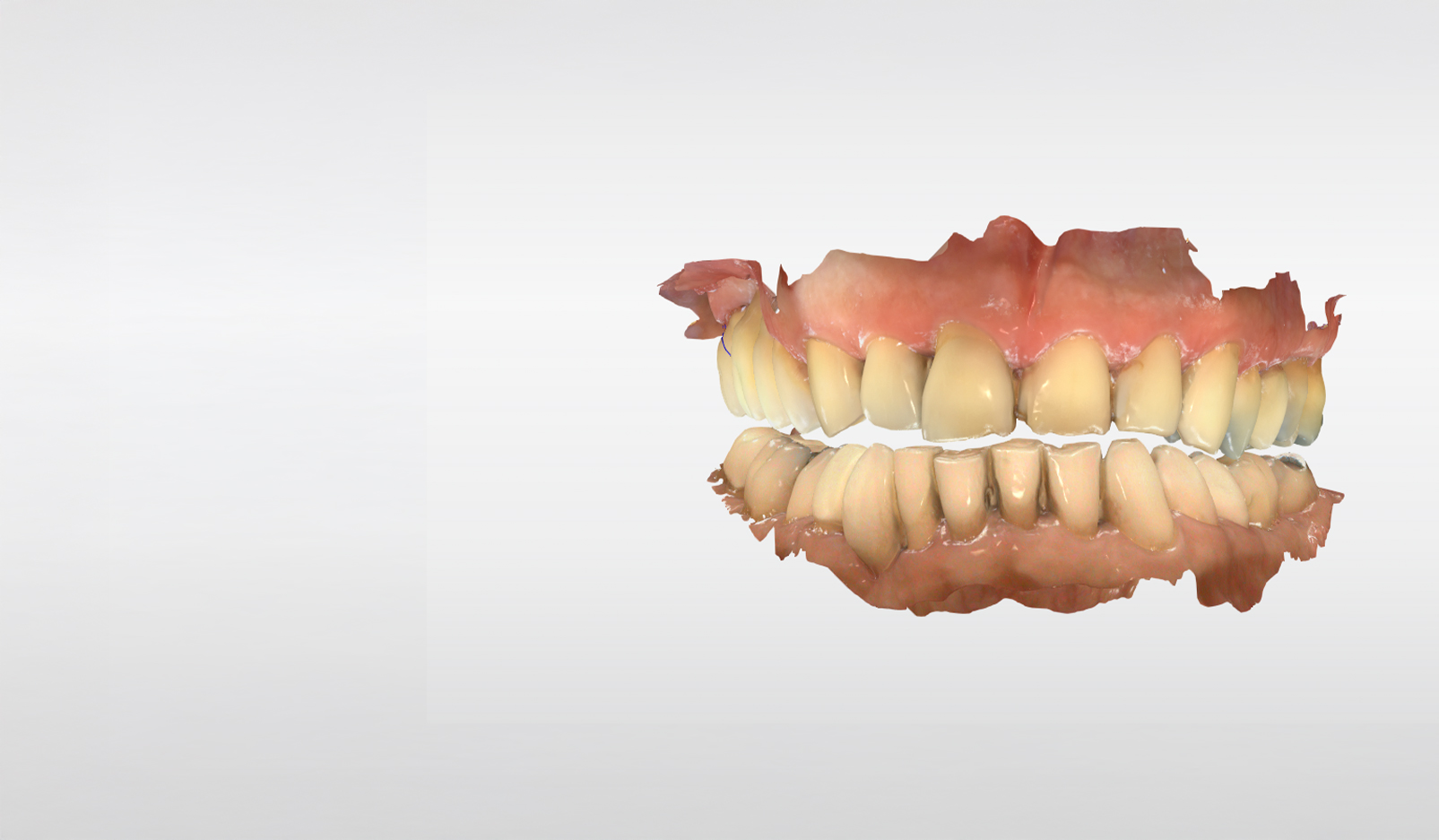
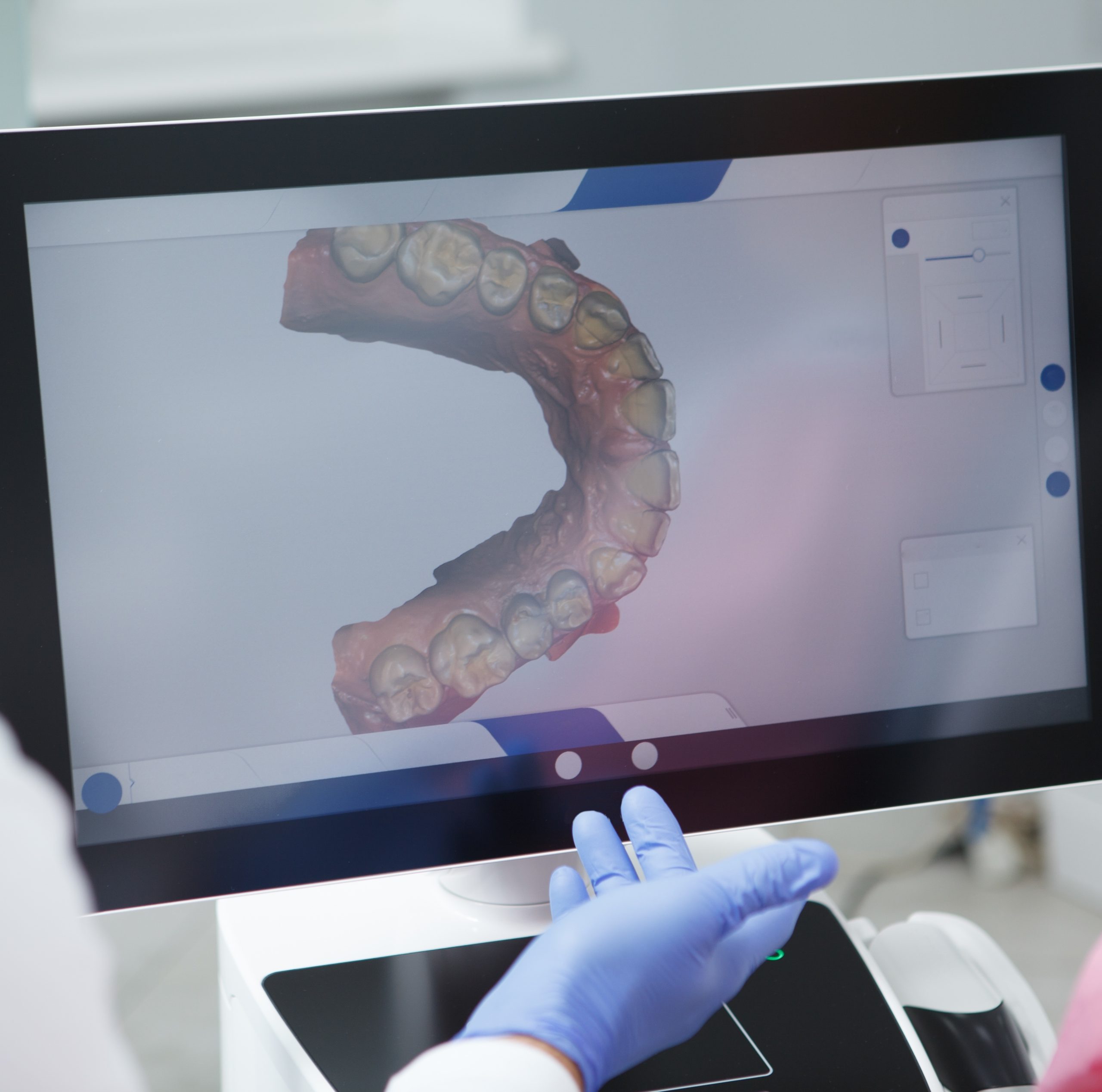
Arguably one of the most significant advances has been the widespread adoption of intraoral scanners. By capturing digital impressions, dentists eliminate many of the errors associated with conventional materials – such as shrinkage, voids, or distortions – and gain the ability to immediately review and retake scans if needed.
Patients benefit not only from the comfort of a non–invasive procedure but also from improved communication: digital impressions can be displayed on–screen to help explain conditions or proposed treatments.
For laboratories, digital files enable faster turnaround times, more precise fabrication, and enhanced collaboration with clinicians.
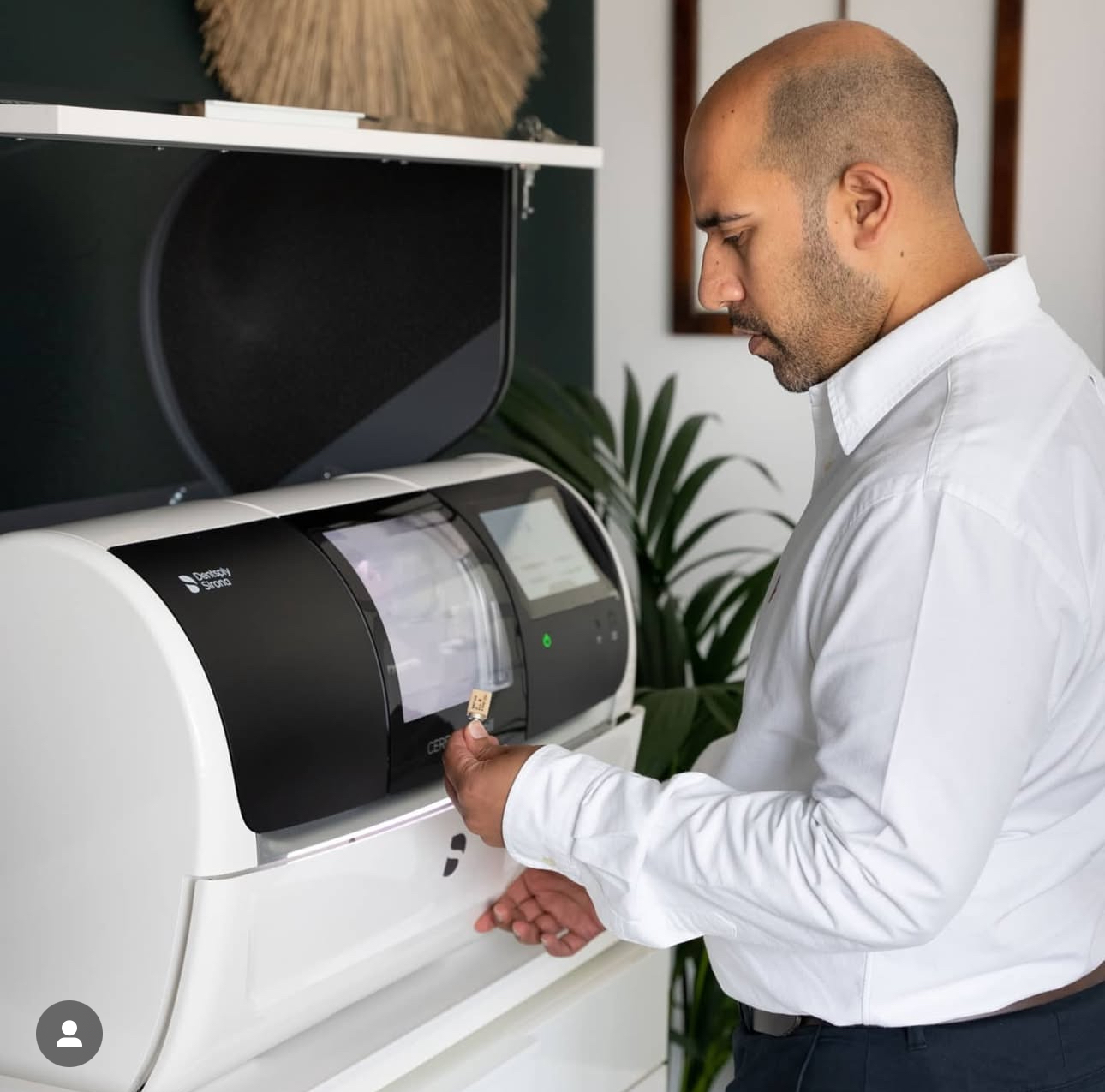
What began as a niche technology has evolved into a workhorse for restorative dentistry. Today’s CAD/CAM systems offer streamlined workflows for producing inlays, onlays, crowns, veneers, bridges, and implant–supported restorations. Practices using chairside milling reduce turnaround times dramatically, often delivering final restorations in a single visit.
For laboratories, the proliferation of CAD/CAM has prompted a shift from manual craftsmanship to digital design and manufacturing expertise, requiring investment in new equipment and upskilling of technicians.
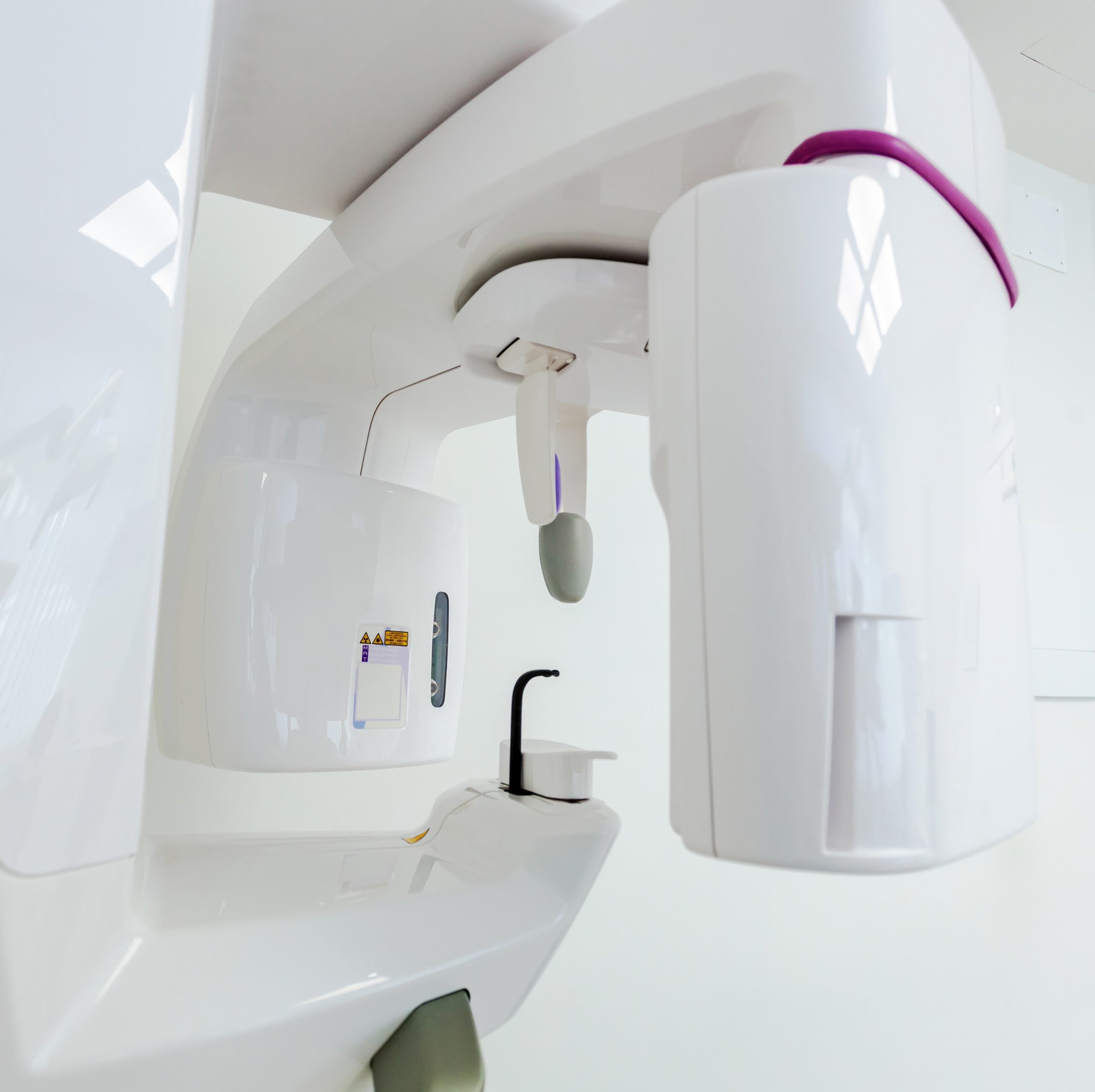
The introduction of CBCT imaging has fundamentally changed diagnostic capabilities. Dentists can now visualise bone structure, nerve pathways, and sinus anatomy in three dimensions, greatly improving safety and predictability in implant placement.
In orthodontics, CBCT enables precise assessment of tooth movement and skeletal relationships. In endodontics, it aids in diagnosing complex root canal anatomies and periapical pathologies.
Importantly, these technologies have raised new clinical responsibilities, particularly regarding radiation safety and interpretation of incidental findings.
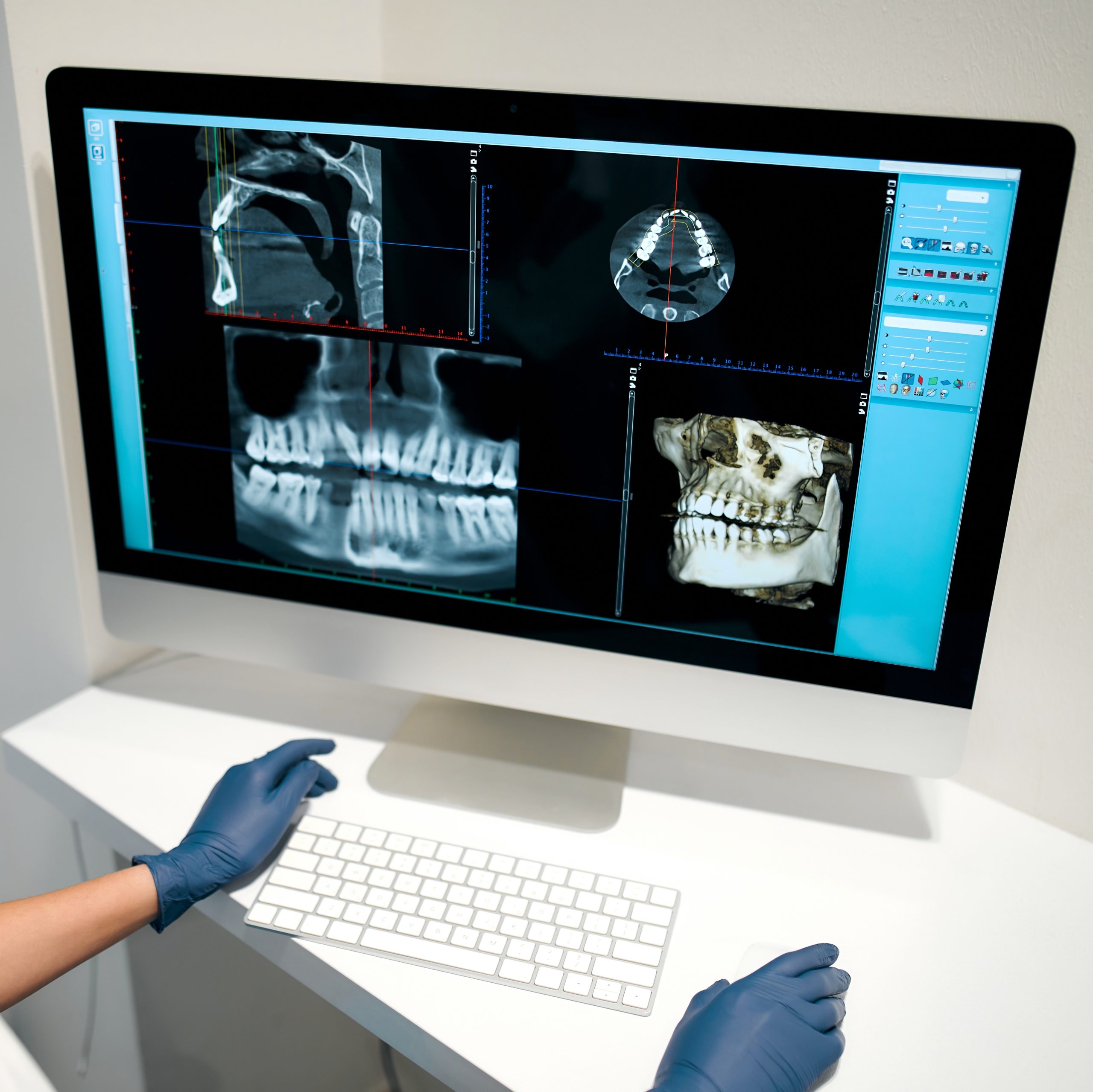
AI has moved from theoretical promise to practical reality. AI algorithms are now available to assist with caries detection on radiographs, suggest orthodontic treatment plans, and simulate aesthetic outcomes.
For clinicians, these tools act as a second pair of eyes, helping reduce oversight and improve diagnostic confidence.
Digital integration and the patient experience
Digital integration and the patient experience

What does digital integration mean for practice workflows and the patient experience?
Digital workflow integration – connecting practice management software, imaging, CAD/CAM, and communication platforms – is transforming how practices operate, enhancing efficiency, data security and patient experience.
Here, Maggie Andi discusses how digital integration in general dental practices has transformed workflows and patient care.
In an era of rapid technological advancement, digital practices stand at the forefront of modern dentistry through their seamless integration. By embracing cutting-edge tools such as smart practice software, digital note-taking aids, radiographic analysis, and 3D printing options, practices are redefining both their internal workflows and the overall patient experience.
These technologies work in synergy to streamline operations, enhance diagnostic accuracy, and elevate patient satisfaction – delivering dentistry that is as efficient as it is empathetic.
Efficient practice management
At the core of their digital infrastructure is a rise in cloud-based practice management systems that transform how the team operates day-to-day. From scheduling appointments and managing clinical records to automating reminders and billing, these systems simplify administrative tasks and improve team coordination.
Enhanced accessibility from any device means clinicians can securely access patient records wherever they are, facilitating faster decision-making and more personalised care. The result is a smoother, more responsive experience for both staff and patients.
Digitally-enhanced diagnosis
Accuracy in diagnosis is crucial in dentistry, and over the last few years this has been enhanced by a selection of digital diagnostic tools. Advanced software can analyse radiographs in real-time, acting as a second pair of eyes to detect early signs of cavities, bone loss, and other dental issues.
Integrating these digital solutions into clinical assessments boosts diagnostic confidence and allows patients to see the findings for themselves. This visual support fosters transparency, trust, and better patient understanding of proposed treatments.
It’s been a game changer for young dentists in particular, many of whom tend to operate under a fearful cloud of potential legal action should they misdiagnose caries, for example.
Streamlined clinical notes
Documentation can be time-consuming for dentists, but digital solutions have now revolutionised this process. Some leading systems use smart templates and automation to streamline clinical note-taking. This ensures comprehensive, compliant records are produced with minimal effort, giving clinicians more time to focus on patient interaction.
Moreover, consistent and high-quality documentation supports continuity of care and legal accuracy, making it a win-win for both practice and patient.
Same-day restorations
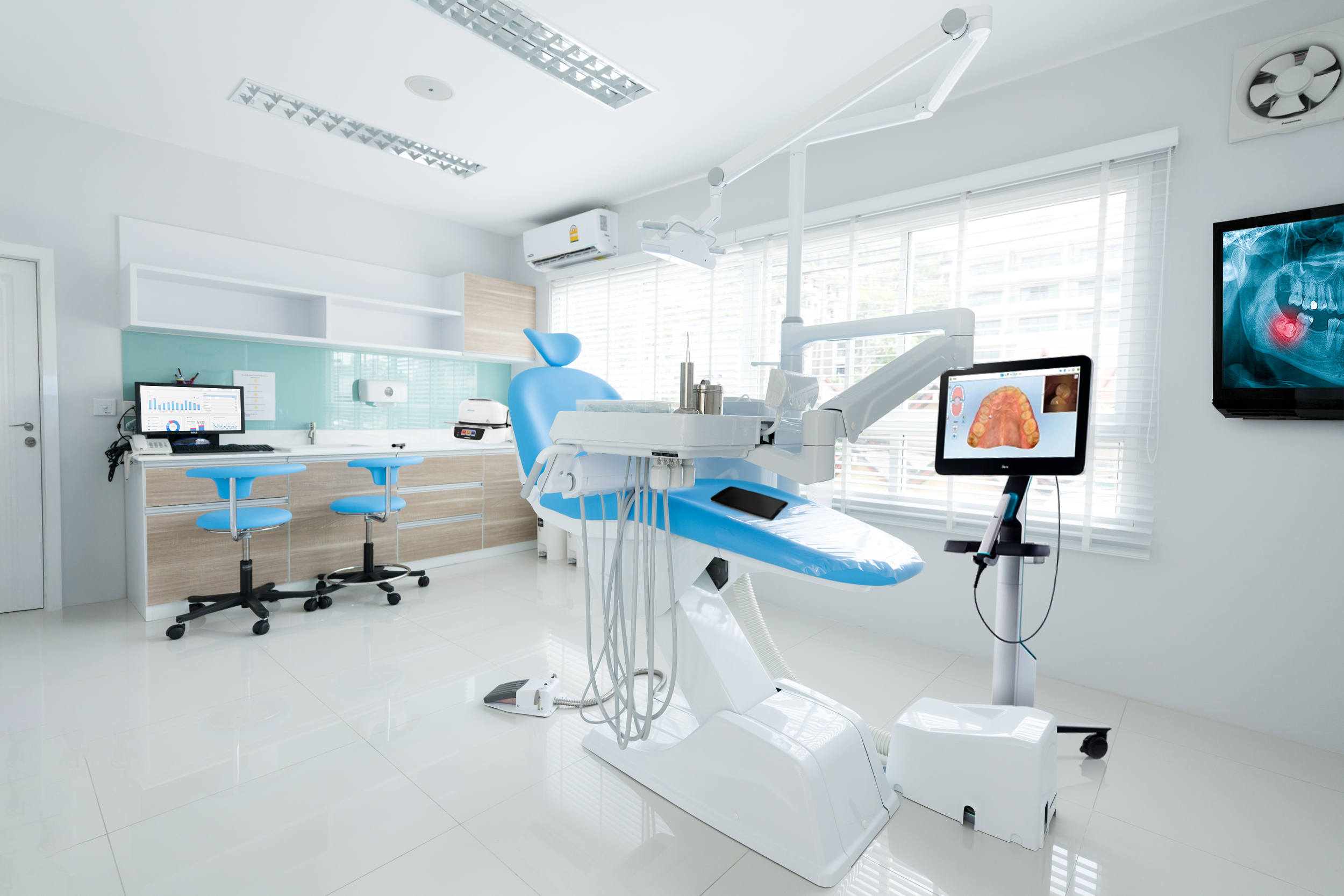
One of the most impactful innovations is the use of 3D printing and chairside design software, which enables same-day crowns, inlays, and veneers. Traditionally, such treatments required multiple appointments and temporary restorations.
In-house digital scanning, design, and milling capabilities mean patients can have their restorations completed in a single visit. This not only saves time but enhances comfort and convenience – especially valued by busy professionals and families in towns and cities alike.
Enhanced patient experience through integration
The combined power of these technologies culminates in an elevated patient experience. Appointments are booked seamlessly, consultations are backed by digital insights, treatment options are visualised and explained clearly, and complex procedures are completed more efficiently. Patients feel more informed, involved, and cared for – hallmarks of a truly modern dental experience.
The 2025 leading digital practices that are committed to integration showcase how innovation can transform traditional dental care. By adopting the multiple tools on offer, practices are not only improving operational efficiency but also setting a new standard for patient-centred care in the digital age.
Only a small percentage of dental practices currently make full use of these tools. Those that do are winning awards and reaching thousands of happy patients a year. They are riding on the crest of a wave which is rapidly gathering momentum.
It’s up to those of us on that crest to ensure those drowning beneath are educated as to a better way forward for all. Whether it’s AI or broader digital innovation, it’s here for the time being – and it would be a great achievement to see the dental industry embrace the benefits in years to come.
How have digital tools transformed the patient journey?


The impact on clinical practice and the profession
The impact on clinical practice and the profession
Digital technology has delivered significant clinical, operational and economic benefits:
- Enhanced accuracy and precision: digital tools improve diagnostic and treatment outcomes, reducing remakes and complications
- Increased efficiency: faster imaging, streamlined workflows, and same-day restorations allow practices to optimise chair time
- Improved patient experience: patients appreciate the convenience, comfort, and visual communication that digital tools enable
- Better lab collaboration: digital files improve communication, reduce shipping delays, and support consistent results.
However, the digital shift has also introduced challenges:
- Financial investment: hardware, software, and training costs can be substantial, especially for small practices
- Ongoing learning curve: keeping up with updates and new systems demands continuous professional developmen
- Integration complexity: practices must ensure different systems communicate smoothly, which can require expert IT support
- Data security and compliance: with greater reliance on digital data, practices must meet strict standards for data protection, particularly under regulations like GDPR.
Balancing human skill with digital processes
Perhaps most importantly, digital dentistry has changed what it means to be a dental professional. Clinicians must now balance technical proficiency with digital literacy, ensuring that technology enhances – rather than overshadows – their clinical expertise.
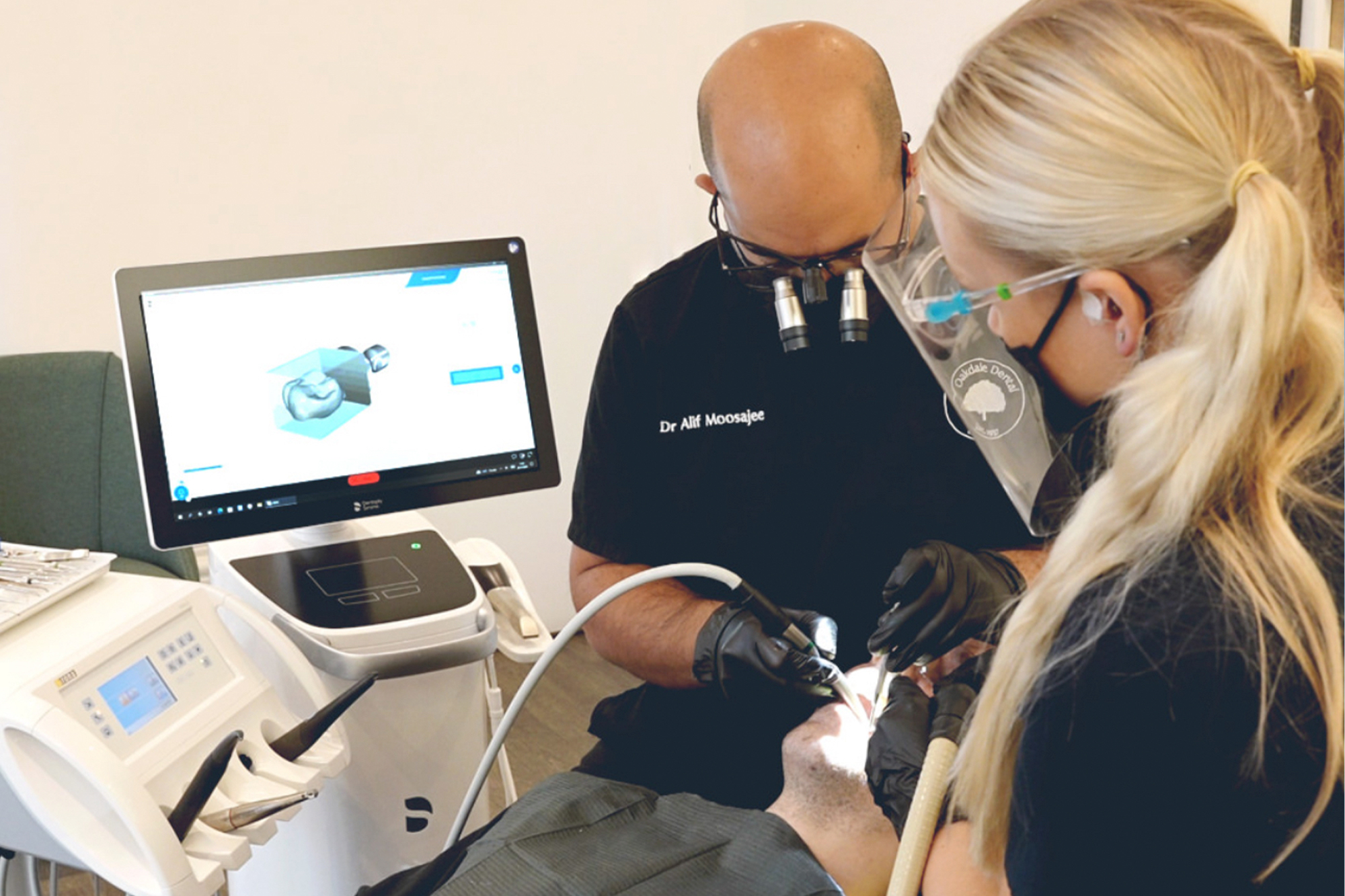
Principal dentist Alif Moosajee explores why digital dentistry is ‘a tool that needs context’, and the need to balance it with human skill.
Fear is one of many emotions that surround any big technological advancement.
One that we can’t ignore is artificial intelligence but I believe that there is a misunderstanding that AI will take our jobs when actually I feel that it’s not AI but people utilising the tools that AI provide that will take the jobs of the people who are unable or unwilling to use AI in a productive and efficient manner.
In the same way we have had a digital revolution in dentistry, but it’s not enough to adopt digital dentistry. We, as a dental profession, have to adopt digital dentistry well, and utilise the tool that it is, in the best possible way so that we can improve the way we look after our patients. If we as professionals stay true to this, then I believe that this is the context in which the ‘digital tool’ should be framed within.
It’s seductive to think that we can absolve ourselves from the responsibility of using sound clinical judgement to acquire the correct information, plan well and execute dentistry beautifully but this is our duty and our opportunity.
Tools are there to help but we cannot rely on them to do our job for us. Instead, we must be grateful for the efficiencies that come and the improved insights that we get when using the tools to help us to help our patients better.
We must also be open to understand where we have made mistakes and can also continue to make the same or even new mistakes with the new technology that we learn to use.
It’s only through this process of making and learning from these mistakes that will help us to gain the experience to use these tools better.
For example, we might be using AI software to help us to diagnose caries but if the sensitivity is too high, we may find that we are treating pathology that’s not even there.
From this we must learn to set the sensitivity correctly.
We may be using technology to place implants in a guided fashion, but if the guide is not fitting correctly or if the planning has been done inappropriately, then it might send the implant into the wrong place.
We must be able to detect when this is happening so that we can ensure that the patient doesn’t have to live with the results of our mistakes. After all in the same way that the drill is a tool, we can’t tell our patient that the drill made a mistake when cutting a cavity because ultimately we are the operators of the ‘drill tool’ and we are also going to be the operators of the digital tools as well.
I think we should be clear in our minds as to when digital tools can help us and when we still need to apply our human touch so that all of the information we acquire is the best that it can be.
I also think it’s important for us to remember that it is our brains that will process all of this information and that will be filtered through our experience and through the clinical skills that we have.
That’s why I don’t see at this stage how the human dentist can be replaced.
It’s not to say that it never will be, but right now, thankfully, there is no substitute for a human being a clinician.
Mindset is so important in everything that we do because I believe it sets our intention.
We have a series of conversations with ourselves every day which are often small questions that we answer again and again and again.
If the big question we ask ourselves is ‘How do we make the most money from a patient?’ Then we will get a set of answers and our actions will follow and I believe this is a very dangerous question to be driven by. If however we ask ourselves ‘How do I look after this patient the best possible way?’ then again that will provide a different set of answers and the actions will follow.
I believe there is only really one route to a long and successful career and that’s looking after patients the best way that we possibly can.
If we now ask a secondary question; ‘How do I use all the tools that are available to optimise my patient’s care?’ then it will keep us forever hungry to learn what these technologies can really do for our patients and help us to appraise whether we can integrate them into our workflows for the benefit of our patients. I think this is the best mindset to adopt when integrating any new technology whether it be digital or otherwise.
If we can keep the caring side of our profession front and centre then I think the future is very bright.
How is digital dentistry impacting dental education?
How is digital dentistry impacting dental education?
Digital dentistry and education
The rise of digital tools has reshaped dental education and training. Most dental schools now teach digital workflows as part of the undergraduate curriculum, from digital scanning to CAD design. Continuing professional development (CPD) courses are increasingly focused on digital competencies, reflecting the profession’s need to upskill across generations.
For educators, the challenge is to prepare students not only to use current technologies but to adapt to future innovations. This requires fostering critical thinking, adaptability and an openness to lifelong learning.
Jameel Gardee, digital dentist and head of education and global relationships at Avant Garde Dentistry, discusses the impact of digital dentistry on dental education.
Digital dentistry is transforming the profession at an unprecedented rate, fundamentally altering what newly qualified dentists will be expected to be familiar with upon graduation. Technologies such as digital intraoral scanning, CAD/CAM systems, 3D printing and digital diagnostics are rapidly becoming standard in modern dental practice. As a result, dental schools are having to adapt their curricula to ensure graduates are prepared for a digitised clinical environment, and are under pressure to do so.
Newly qualified dentists are now expected to possess not only foundational clinical skills that ensure safety and competency of dental fundamentals, but also digital fluency. Competence in using intraoral scanners, designing restorations with CAD software, and interpreting digital radiographs and cone beam CT scans is quickly becoming essential.
Moreover, familiarity with practice management software and digital patient communication tools is also highly valued. This shift reflects broader industry trends prioritising accuracy, efficiency and patient-centred care, all of which digital dentistry excels at. To address this, many dental schools have begun integrating digital tools into both preclinical and clinical training.

Simulation labs equipped with virtual reality and haptic feedback systems offer students hands-on experience in a risk-free environment. CAD/CAM design is increasingly taught through project-based learning and electives, while digital impression-taking is becoming part of the standard skillset introduced early in training.
However, with digital equipment being expensive to acquire en masse and workflows to rival traditional analogue methods being developed and driven by the private sector by and large, experience and competency cannot be expected from new graduates immediately following graduation. There remains a notable gap between education and real-world expectations – as the father of a current fourth year dental student, I see this firsthand.
Of course, leading institutions are forging ahead with digital curricula, while others struggle to keep pace, often due to limited funding, outdated infrastructure, or a lack of faculty training. The industry moves quickly, but academia – especially in publicly-funded systems – can be slower to adapt. Consequently, some graduates find themselves underprepared for digitally advanced practices.
Interdisciplinary teaching, combining prosthodontics, orthodontics and radiology with digital tools will help prepare students for the integrative nature of modern practice. In my opinion, a partnership between universities, tech companies, material manufacturers, and those pioneering the new frontier of dentistry in private practice is vital and should be explored to enable dental students to be more familiar with what they will be exposed to in real life. This will help to bridge the gap between teaching fundamental analogue methods and their corresponding digital workflows which are being utilised daily in modern dental practice.
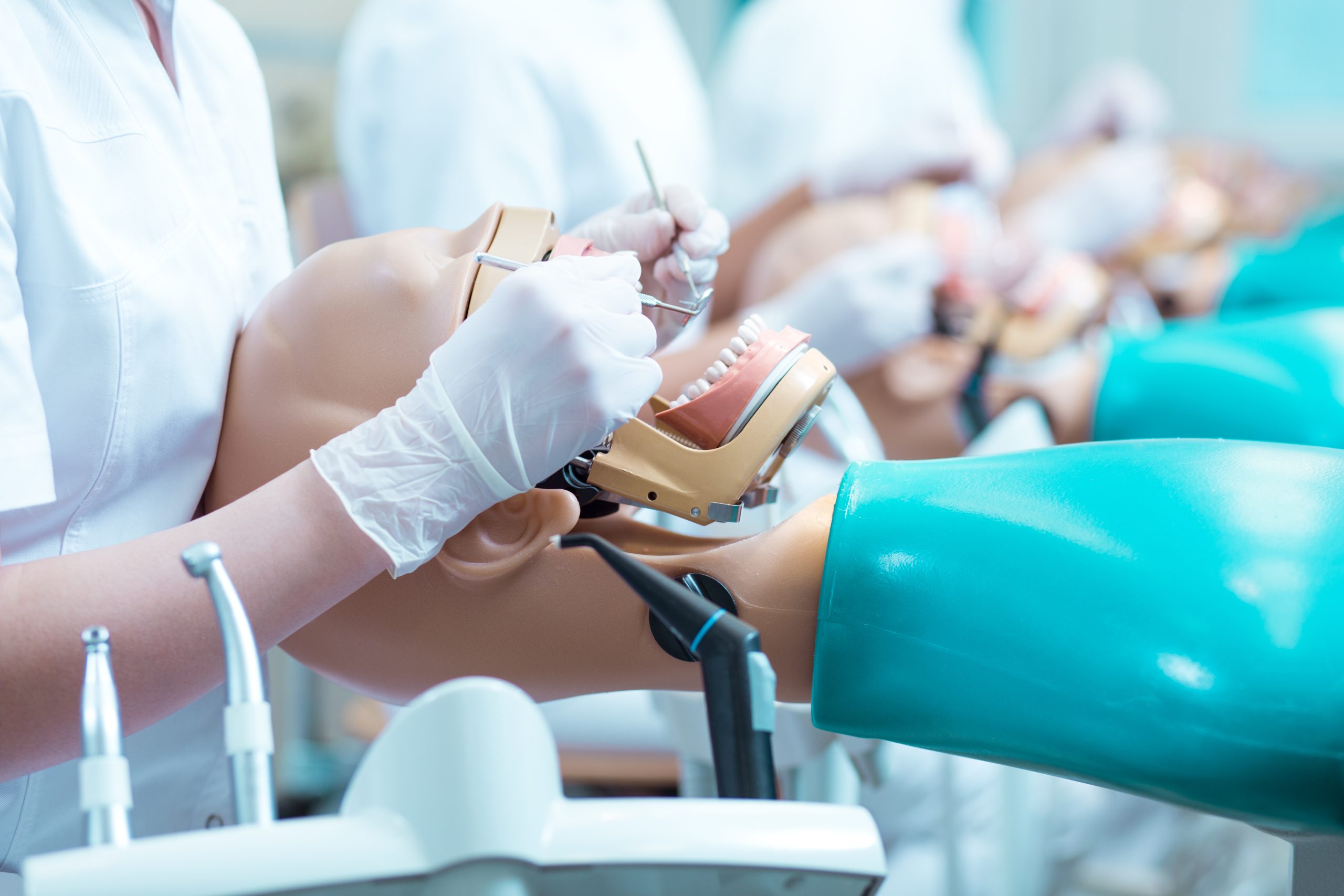

Bridging the gap between education and industry
According to Jameel, dental schools must undertake key changes to stay relevant.
These include:
- Embedding digital competencies as core learning outcomes
- Ensuring students have hands-on exposure to tools like intraoral scanners and digital radiography
- Fostering partnerships with tech companies
- Leading private practices for access to the latest innovations.
Furthermore, assessing students’ digital proficiency through structured evaluations – not just exposure – will help ensure true readiness for practice. Sustainable and accessible digital dental education also demands robust infrastructure.
This means investment in equipment and software, faculty training programmes conducted by those at the front line in modern dental clinics, and curriculum reform supported by national accreditation bodies. Equally important is equitable access – ensuring all students, regardless of institution or background, can benefit from digital training.
In conclusion, digital dentistry is reshaping the professional landscape, and dental education must evolve accordingly. While progress is evident, consistent investment, curriculum innovation, and partnerships with the private sector, not to mention faculty development, are essential to close the gap between education and industry – and to ensure future dentists are ready for the realities of modern clinical practice.
Looking to the future of digital dentistry
Looking to the future of digital dentistry
What comes next?
Looking ahead, several trends are likely to shape the next three decades of digital dentistry:
- AI-enhanced diagnostics and decision support: more sophisticated algorithms will provide real-time clinical decision support, helping clinicians identify conditions earlier and tailor treatments more precisely
- Telehealth and remote care: virtual consultations and remote monitoring – particularly in orthodontics and oral health maintenance – will expand access to care and allow clinicians to monitor patients between visits
- Personalised and regenerative dentistry: advances in biomaterials, stem cell research, and 3D printing may enable the creation of restorations and appliances customised to individual biology
- Sustainability and environmental impact: as practices and suppliers respond to environmental concerns, digital workflows may help reduce the carbon footprint of dental care by minimising material waste, reducing shipping and optimising resource use.
The future of digital dentistry
Nick Fahey explores the most promising innovations for the next decade, and how the profession will cope with fast-paced digital advancement.
Digital dentistry has evolved far beyond the days of G.V. Black. Looking ahead, I believe we’re now entering a new era defined not just by digital workflows, but by the integration of AI, robotics, personalised biology, and a broader shift towards wellness and prevention.
The move towards wellness in dentistry is, in my view, one of the most profound shifts we’ll see over the next decade. As we move from a reactive, restorative model to a proactive, holistic one, digital tools will play a crucial role in helping us predict, prevent, and personalise care. Salivary diagnostics, digital wear tracking, microbiome monitoring, and even genetic risk assessments will become part of routine dental care – with the aim not just to treat disease, but to optimise oral health as part of systemic wellbeing.
AI is already changing the game in diagnostics and treatment planning – from automated radiograph analysis and caries detection to AI-powered occlusion mapping and implant planning. But its most exciting application may lie in personalisation. Imagine AI systems that combine CBCT, intraoral scans, wear patterns, and lifestyle data to recommend treatment strategies tailored to the individual – or even simulate long-term outcomes to guide shared decision-making with patients. This could fundamentally change how we define success and measure value in dentistry.
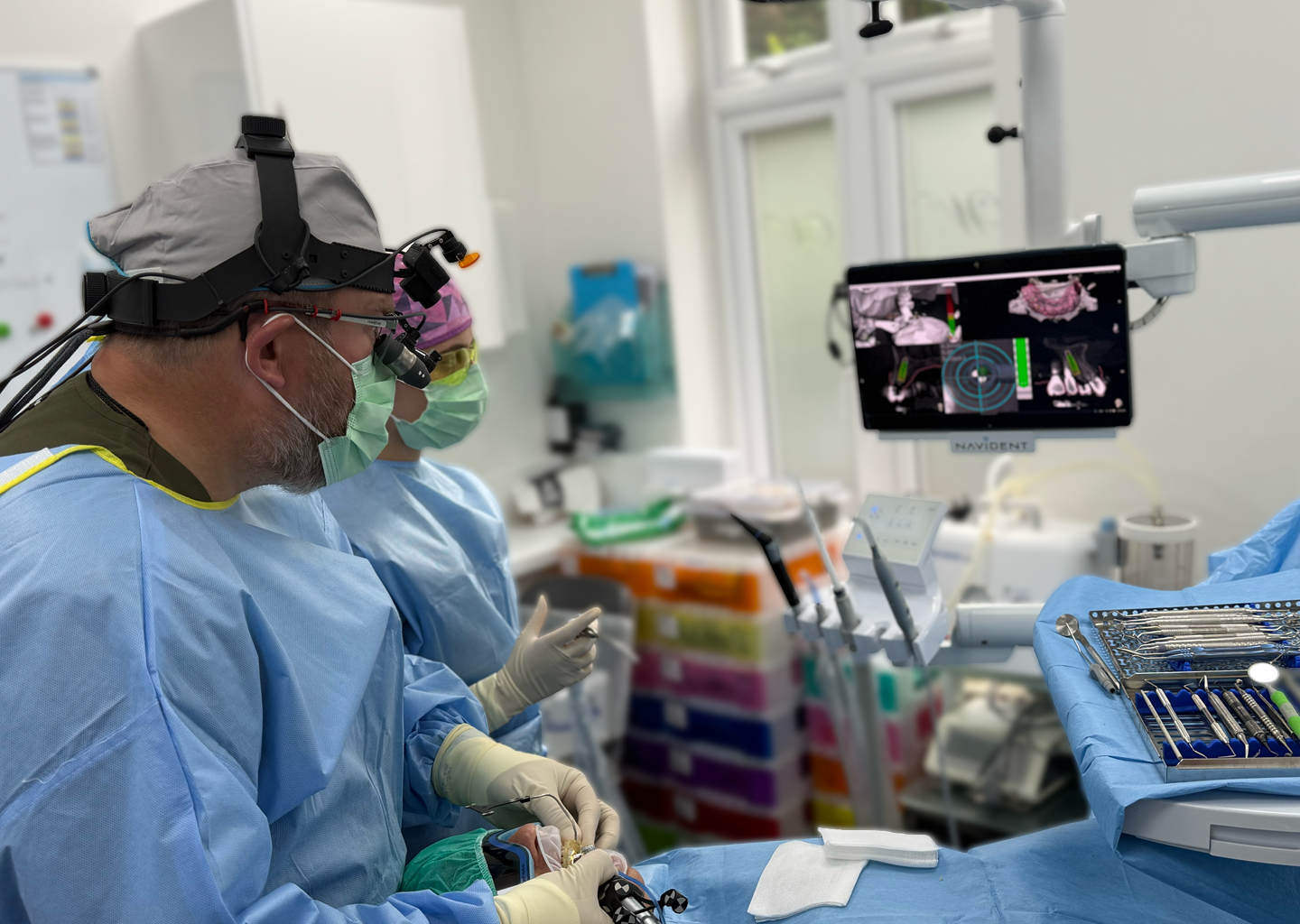
Robotics in dentistry, while still in its infancy, will likely become more prominent in fields such as implant dentistry, endodontics, and even hygiene delivery. We’re already seeing robotic systems assist with guided implant placement, offering micron-level accuracy. Over time, I expect to see these systems become more autonomous, more affordable, and more seamlessly integrated into the clinical workflow – especially as they align with AI planning tools and digital patient records.
Advancements in materials science are equally exciting. We’re moving from one-size-fits-all to bespoke solutions – from bioactive ceramics and antimicrobial composites to customised bone grafts and scaffold materials engineered at the molecular level. The horizon even includes genetically modified oral products – salivary enzymes to neutralise decay-causing bacteria, or tailored probiotics that reshape the oral microbiome to prevent disease before it starts.
All of these developments require us to rethink the skillsets we value in dentistry – not just manual dexterity, but data literacy, system thinking, and an openness to continual change. The next decade won’t be defined by a single innovation, but by the interplay of technologies that bring us closer to truly personalised, predictive, and preventive dental care.

Stay updated with relevant information about this webinar