
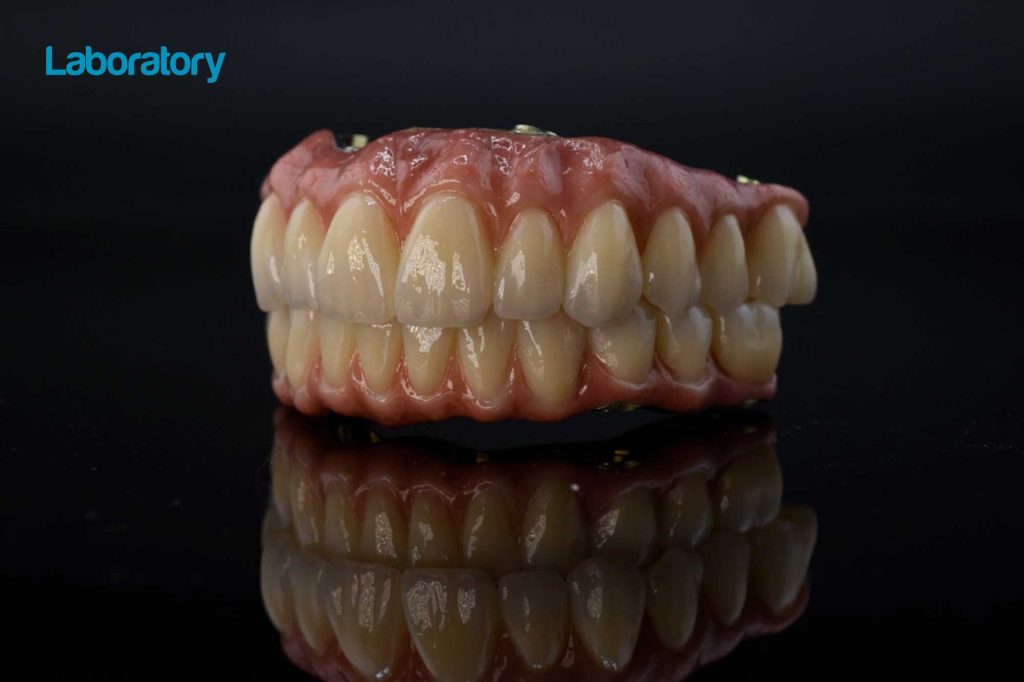
Joe Ganderton explores how photogrammetry can remove uncertainty from full-arch cases, improving fit, efficiency and confidence across the team.
When I first started working on full-arch implant cases, photogrammetry was viewed as disruptive. It was something innovative clinicians were beginning to explore, but it was far from routine. Most cases relied on high-quality intraoral scans of scan bodies and, although we all understood the potential for distortion across long spans, that risk was largely accepted.
Full-arch dentistry has always been described as complex, and rightly so. It demands careful planning, close collaboration between clinician and laboratory, and a sound understanding of biomechanics and aesthetics. Over time, however, I began to question whether some of the complexity we were managing was not purely clinical, but digital.
In single-unit cases, small discrepancies in data capture may never become visible. In a full arch, they rarely remain insignificant. When restoring multiple implants across an edentulous span, minor positional inaccuracies can compound and only reveal themselves at the point of fit.


