
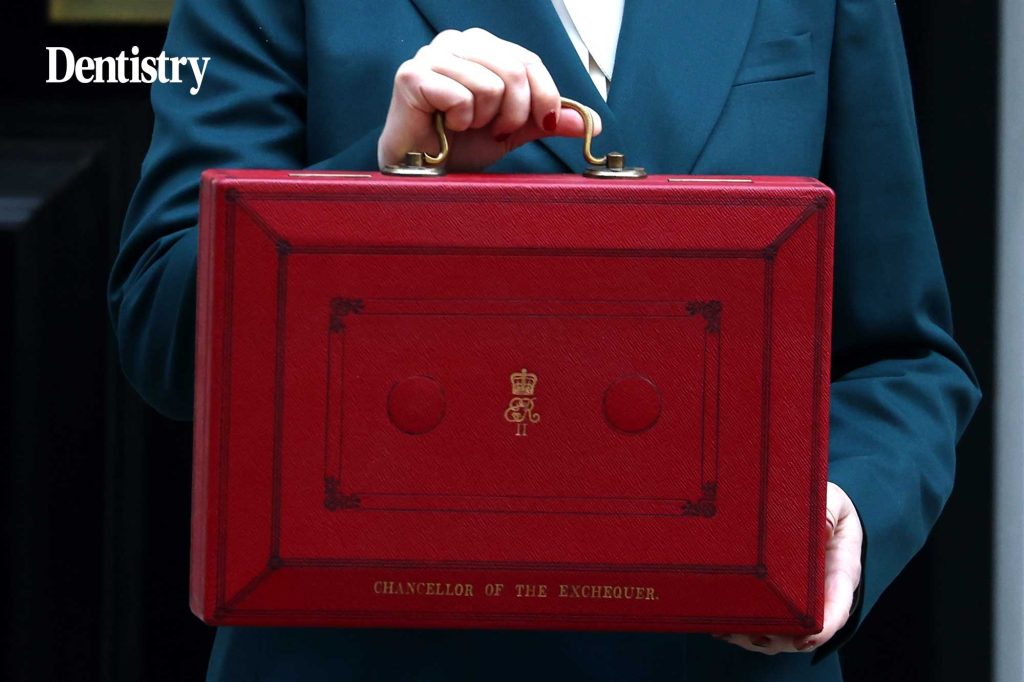
The UK government announced the Autumn Budget for 2026 on 28 October – here, dental experts analyse the impact on the profession.
Iain Stevenson, head of dental at Wesleyan Financial Services
The new pension tax allowance to protect those on the state pension and addressing the carer’s allowance cliff edge are welcome, but it’s disappointing that the chancellor has missed the opportunity to address frozen income tax thresholds that are squeezing the finances of public sector professionals.
Another freeze piles further pressure on dentists grappling with rising practice costs and a growing tax burden. As incomes rise with inflation, more dentists are being pulled into higher tax bands and towards the £100,000 threshold, where they face an effective 60% marginal income tax rate.
For practice owners balancing increasing overheads with the demands of delivering patient care, this further erodes the financial incentives to run and grow a dental business.
Business asset disposal relief limit reduced
The decision to reduce the business asset disposal relief limit from £1 million to £500,000 from April 2027 risks discouraging entrepreneurship and undermining the government’s ambition to encourage business growth.
For dentists, it represents another squeeze on hardworking professionals who have been navigating a shifting tax landscape for years, and should prompt them to review their financial arrangements with a specialist adviser.
For dentists who own their practices, reducing this relief could increase the capital gains tax payable when selling their businesses, potentially reducing the financial rewards of years spent building and growing a practice. At a time when access to dental care remains a significant challenge, the government should be careful not to introduce further disincentives to investment in the sector.
Vinay Rathod, CEO of VR Financial Solutions
Today we saw a much anticipated budget announced with many hoping for relief from the difficulties of the cost of living increases that have been felt.
Unfortunately, there will be little to excite many dentists, with much of the positive impact being felt by those who needed it the most – the lower income households.
There’s a new home scheme for first time buyers with an equity loan scheme announced, filling the gap left when help-to-buy ended.
Abolishment of LISA charges if you want to use the money to buy a home at a cost above the upper limit will benefit those buying especially in London and the south.
We’ve seen an increase in minimum wage by 3.9%, but we also see an increase in tax on savings and property income of 2% – the latter part of which will likely impact many dentists.
Many will receive a £100 payment if their home is in council tax band A-D.
There has been a clear focus on stimulating British entrepreneurs, protecting the vulnerable from the increased cost of living and investment in housing for those who need it most.
Unsurprisingly, this budget has been one that has been limited in creativity and one of a cautious nature. Due to the rising costs and inflation resulting from global instability, much of the focus has been on stabilising and protecting those affected most by the challenges in our economy.
More analysis to come – check back for updates.
Create a free account for unlimited access — plus the Dentistry Bulletin delivered to your inbox.


