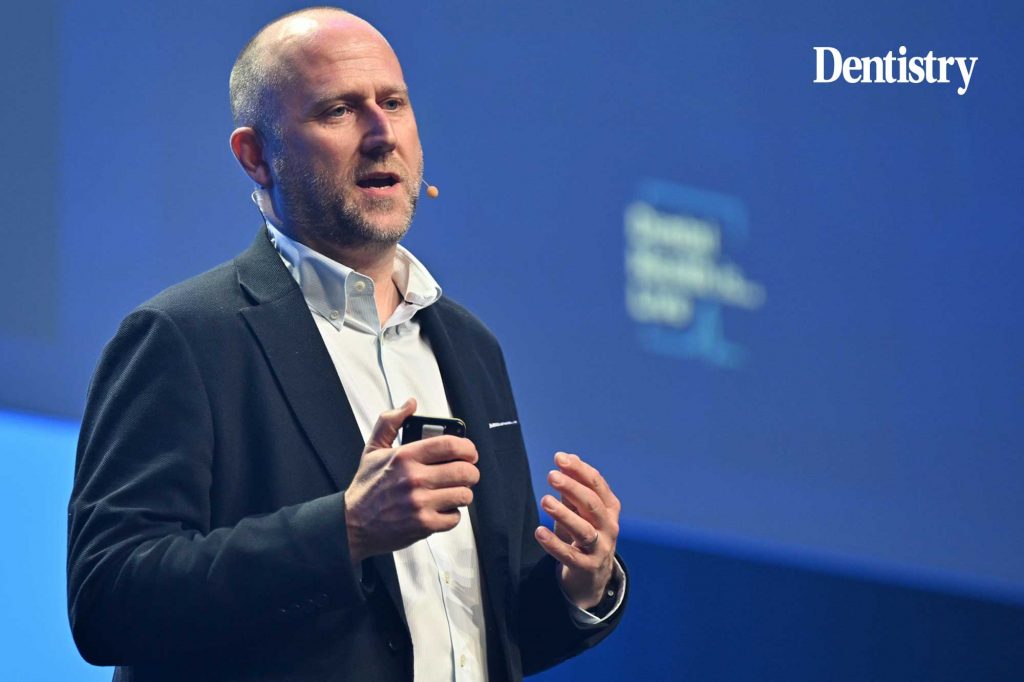
Bupa Dental Care’s ‘Dental Health Is… Live’ conference explored the mouth-mind connection which means that confidence, wellbeing and everyday experiences can motivate patients to prioritise oral health and embrace preventive care.
Patients do not always talk about oral health in the language of periodontal risk, systemic links or long-term prevention. Often, they talk about confidence. They talk about breath, appearance, embarrassment, pain, missing teeth, social pressure and whether they feel able to smile.
For dentistry, that creates a communication challenge. The profession is rightly focused on disease, prevention and clinical stability. But for many patients, the value of oral health is felt most immediately in everyday life: speaking at work, going for an interview, appearing in a photograph, socialising without anxiety or helping a child feel less self-conscious.
A question of value
That gap and the difference between clinical importance and lived experience was a focal point at Bupa Dental Care’s second annual ‘Dental Health Is… Live’ conference.
Held at the International Convention Centre in Birmingham on 8-9 June 2026, the two-day event brought together more than 1,200 clinicians, practice managers, receptionists and practice teams from across its UK network.
While the main exhibition spaces buzzed with continuing professional development (CPD) workshops on genomics, diagnostics and connected healthcare, an exclusive roundtable gathered to look at several different topics, including how do people actually value their teeth?
Mark Allan, general manager for Bupa Dental Care, chaired the session. While personalised prevention and the future of oral health understandably led the way, it quickly anchored to the real-world perspective of patients and the businesses that employ them.
Wellbeing at work
Matt Sayers, director of international benefits at CME Group, brought a crucial employer’s perspective to the table. For businesses, he explained, corporate wellbeing is traditionally understood through three distinct pillars: financial, physical and emotional. Dental care is particularly valuable because it sits squarely across all three.
Unexpected treatment costs can severely affect financial wellbeing. Regular attendance and preventive care support physical wellbeing. Meanwhile, breath, appearance and personal confidence heavily influence emotional wellbeing in the workplace.
‘Employees love benefits they can use,’ Sayers said of the practical value of dental cover.
He compared dental care with two very different workplace benefits: pensions and gym subsidies. Employers may spend heavily on pensions, but staff do not experience them day to day. Gym subsidies, by contrast, are popular because employees can use them regularly.
‘We spend most of our cost on pension, but people don’t get to use that pension, so it’s kind of high cost, lowish perception,’ Sayers said. ‘But our most popular benefit is gym.’
Sayers suggested dental cover sits closer to that second category.
‘Employees love it, because they get to use it,’ he said. ‘And that’s where this dental one definitely helps with that, because you definitely will go to the dentist regardless of whether you’re sick or not.’
For employers, that accessibility makes oral health a practical, visible part of everyday corporate wellbeing rather than an abstract human resources promise.


Confidence and clinical care
One of the most compelling parts of the discussion came when the panel turned to patient psychology.
Professor Iain Chapple MBE, professor of periodontology and consultant in restorative dentistry at the University of Birmingham and Birmingham Community Health NHS Foundation Trust, had already set the tone on the conference main stage during his keynote presentation.
There, he warned delegates that oral health cannot be viewed in isolation. He noted established connections between periodontal disease and systemic conditions such as diabetes, cardiovascular disease, chronic kidney disease, rheumatoid arthritis and Alzheimer’s disease. For the profession, he argued, those links underline the need for more integrated healthcare.
Reflecting further during the roundtable on the tension many clinicians feel around purely aesthetic or cosmetic patient demands, Professor Chapple was clear that clinical health must always come first.
Patients seeking whiter teeth or aesthetic improvements still fundamentally need healthy gums, prevention and long-term clinical stability. But he also acknowledged that modern dentistry cannot simply dismiss the intense emotional force behind those cosmetic requests.
‘We have to recognise that mental health and self-confidence are incredibly powerful, particularly in the younger generation,’ Professor Chapple said.
That sentence carried significant weight because it came from a periodontologist speaking with deep clinical caution. It recognised something patients already know but clinicians, may, sometimes, overlook. Teeth affect how people speak, smile, work and feel around others.
Allan picked up the same theme, describing what he called the ‘mouth-mind connection’.
‘There is something in that, whether that’s teenagers needing orthodontic treatment, who are struggling to get treatment, and they’re being bullied or on social media for their appearance,’ he said.
He also pointed to the more severe impact of tooth loss, including people whose missing teeth affected their confidence and ability to return to work.
From motivation to prevention
Ela Sarwar, a dental hygienist currently studying towards a master’s in neuropsychology, brought that point back to behaviour change. She said patients are more likely to act when advice connects with something personal and achievable.
‘Behaviour change doesn’t happen with the information I’m going to share with them,’ she said. ‘It actually starts with something that relates to them.’
For one patient, that may be future disease risk. For another, it may be feeling confident in front of colleagues, avoiding bleeding gums or no longer worrying about breath.
The point was not that confidence should replace clinical priorities. However, confidence may be one of the clearest ways patients understand why oral health matters. If dentistry can connect that motivation with prevention, regular attendance and periodontal stability, the wellbeing message becomes a route into better care rather than a distraction from it.
That also speaks to a wider public perception gap. Many people still see dentistry as something they access when they are in pain or when something visible has changed. Framing oral health as part of confidence, work and daily participation could help make prevention feel more relevant before problems escalate.
As the conference concluded, Allan noted that the event gave teams the perfect opportunity to ‘build skills and gain insight they need to help shape the future of dental care’.
By bridging the gap between clinical necessity, workplace funding models and the emotional realities of patients, the profession can better demonstrate that oral health is a vital component of feeling well.
Follow Dentistry.co.uk on Instagram to keep up with all the latest dental news and trends.