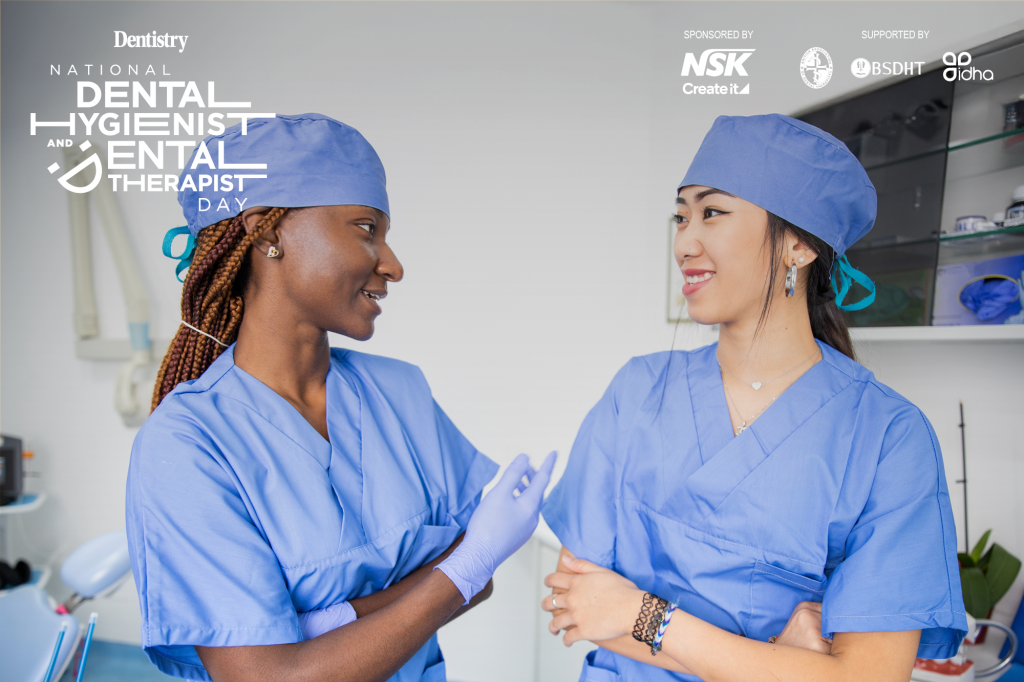
Patricia Macpherson breaks down the history of the British Society of Dental Hygiene and Therapy (BSDHT) and how it has supported members through major developments in dentistry.
The British Dental Hygienists’ Association (BDHA) was founded in 1949 at an inaugural meeting of 12 members, supported by Sir William Kelsey Fry and Dr Gerald Leatherman.
To reflect changes in the education system, following a special resolution at the 2006 AGM, the name was changed to the British Society of Dental Hygiene and Therapy (BSDHT) in May 2007. Its purpose has consistently been to represent its members and to act as a consultative body for both public and private organisations on all matters relating to dental hygiene and therapy. It works with other professionals and regulatory groups to provide the highest level of information to its members as well as the general public.
Over time, the society has increased its range of member benefits and works hard to grow membership for the advancement of the profession. It is a founding member of the International Federation of Dental Hygienists, and a member of the European Dental Hygiene Federation.
Expanding the role of dental hygiene and therapy
Originally, dental hygienists (DH) were permitted to work only in the Armed Forces and public dental service. The society played a central campaigning role in expanding these opportunities into general dental practice, contributing to salary negotiations, and securing associate membership for DH and dental therapists (DT) with dental defence organisations.
The society has actively collaborated with General Dental Council Working Groups on key professional developments, including the transition from ‘permitted duties’ to practising within scope of training and competence, and the introduction of direct access in 2013, enabling patients to see DH and DT without a dentist’s referral.
Through its involvement in the All-Party Parliamentary Group for Dentistry, the society has advocated on issues such as access to NHS dentistry and oral health inequality. It also worked jointly with the The British Association of Dental Therapists (BADT) to secure exemptions allowing DH and DT to supply and administer specific prescription-only medicines (POM), with approval granted in June 2024.
Education and development
Education remains a core priority. Since 1973, the society’s 12 regional groups have provided in-person and online learning opportunities across the UK, complementing national conferences. Links to these groups can be found here. Long before mandatory CPD was introduced in 2008, the society had issued certificates of attendance for these events.
To support member communication and professional development, the society has produced several publications, beginning with its newssheet in 1949 and later the well-respected journal Dental Health (first published 1962). Additional publications include DH Contact, BSDHT Bites (online), and the Annual Clinical Journal of Dental Health (launched in 2020), which features high-quality research undertaken by DH and DT authors. Like Dental Health, it also provides online CPD. A special joint issue with the International Federation of Dental Hygiene marked the society’s 75th anniversary.
To recognise someone deemed to have made an outstanding contribution to the profession of dental hygiene and/or to the society, the prestigious Dr Leatherman Award was created in 1994 and to date there have been 20 recipients.
The society has designed and undertaken many initiatives, including: commissioning national research, developing a coaching and mentoring programme, and establishing a Diversity, Inclusion and Belonging Working Group. Its annual First Smiles programme (launched in 2015) encourages BSDHT members to go out into their local communities and support schools by helping children build confidence around dental visits and learn essential oral hygiene skills.
‘The BSDHT has adapted and grown’
During the COVID‑19 pandemic, BSDHT provided extensive member support through weekly presidential video updates, webinars, free online CPD, a three-month break in subscription fees, and extended professional indemnity benefits. In addition to the society’s existing guidance resources covering a wide range of topics including advice for job interviews and CPD, a Back to Practice Toolkit was produced for those going back to work after lockdown.
BSDHT continues to prioritise student support, offering free membership for students and discounted fees in the first year after qualification. In 2021, it introduced a Preparation for Practice Handbook to assist new graduates.
Through sustained commitment and collaboration of its executive teams, councils and members, the BSDHT has adapted and grown into a nationally and internationally recognised organisation dedicated to advancing the profession of dental hygiene and therapy.
Read more from the National Dental Hygienist and Dental Therapist Day campaign:
- Using social media to positively influence oral health
- Getting comfortable with direct access
- Multidisciplinary care: dental therapy in a hospital setting
- Dental therapists: are you a Ferrari in a school zone?
- Unlocking access to preventive oral care in Ireland.
With thanks to our sponsor, NSK.
Follow Dentistry.co.uk on Instagram to keep up with all the latest dental news and trends.