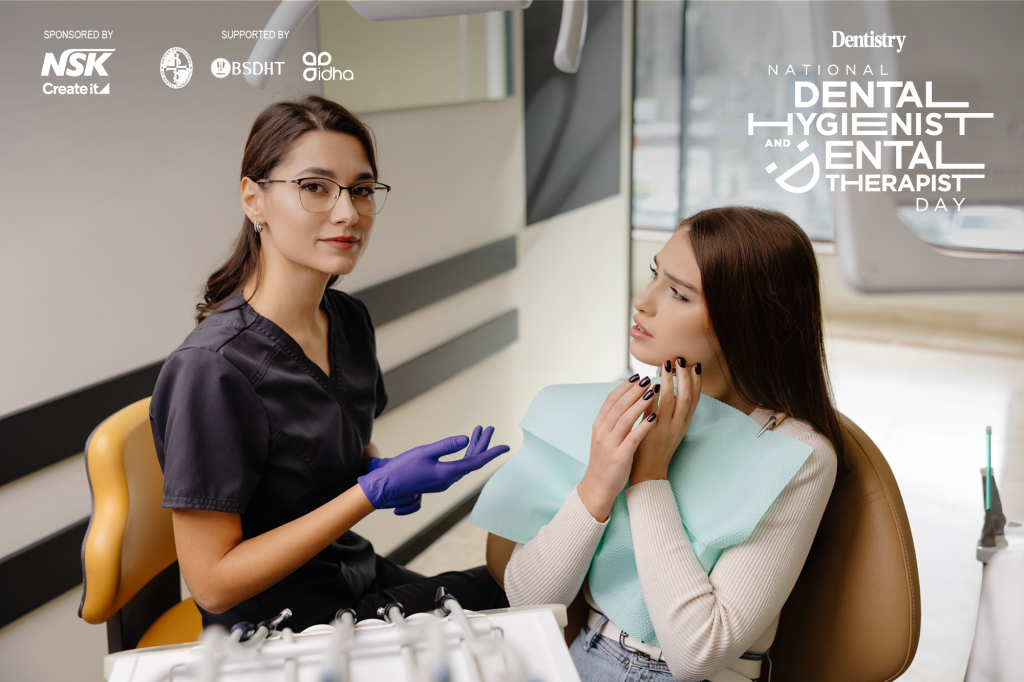
Sweta Surana Bhandari explains how dentistry can shift gears for National Dental Hygienist and Dental Therapist Day, allowing highly trained dental therapists to achieve their potential.
As we count down to National Dental Hygienist and Dental Therapist Day, I find myself reflecting on what this celebration truly means for our profession. Since the 2013 direct access ruling, we have seen incredible growth in the recognition of our roles. However, as we join the month-long campaign on Dentistry.co.uk to highlight our invaluable contributions, it is also the perfect time for an honest reflection on the gap between our potential and our daily clinical reality.
A global journey to prevention
My path to the UK dental registry was a rigorous evolution. Having qualified and practiced as a dentist overseas, I moved to the UK and invested deeply in the system, eventually completing an MSc at the University of Birmingham.
This transition provided me with a unique dual perspective. While my surgical and restorative training remained sharp, my academic journey in the UK shifted my focus toward a prevention first philosophy. I have seen firsthand that a therapist-led model is often the most effective way to manage long-term oral health, placing patient behaviour at the heart of the plan. Yet, despite this wealth of experience, the transition into the UK workforce highlights a jarring systemic challenge: the underutilisation of skilled clinicians.
The challenge: the ‘Ferrari in a school zone’ crisis
I often describe the current state of many dental therapists as being a ‘Ferrari in a school zone’. We are high-performance machines, trained for restorative excellence, complex paediatric care, and primary tooth extractions. Yet, for many, the reality is a clinical bottleneck.
Too often, highly trained therapists find their lists restricted to hygiene maintenance, while their restorative skills the very skills needed to alleviate the nation’s dental access crisis are left to atrophy. This waste of resource is especially poignant now that leadership, including chief dental officer Jason Wong, has championed skill mix as the future of the NHS.
With recent milestones like the Joint Statement on the Role of Dental Therapists in General Anaesthesia (GA) Settings, it is clear the industry wants us to step up. So why are so many still idling in first gear due to legacy practice models?
Leading by example: the power of empowerment
I am fortunate to work in a practice that understands this value. By embracing a true skill-mix model and empowering me to work to the full scope of my GDC registration, my team has seen the benefits first-hand.
It isn’t just about efficiency; it’s about patient outcomes. When a dental therapist is utilised fully, the patient receives a higher level of dedicated, preventive-focused restorative care, and the entire team operates with more synergy. We are proving that we are not ‘mini dentists’ but a distinct, specialised cohort perfectly positioned to handle most routine dental needs.
Looking toward 1 May
This month, as we share our stories and celebrate our wins, my message to the industry is simple: look at your therapists. Are you utilising the Ferrari or is it just sitting in the garage?
By embracing our full scope and celebrating our unique professional journeys, we don’t just clear waiting lists: we elevate the entire standard of patient care. Let’s stop talking about what therapists could do and, this National Dental Hygienist and Dental Therapist Day, let us finally do what we are trained to do.
Read more from the National Dental Hygienist and Dental Therapist Day campaign:
- Unlocking access to preventive oral care in Ireland
- Air polishing: invest in clinical excellence and patient health
- Prevention, policy and the power of teams
- Inclusive dentistry for neurodivergent patients
- From dental therapy to sports dentistry.
With thanks to our sponsor, NSK.
Follow Dentistry.co.uk on Instagram to keep up with all the latest dental news and trends.