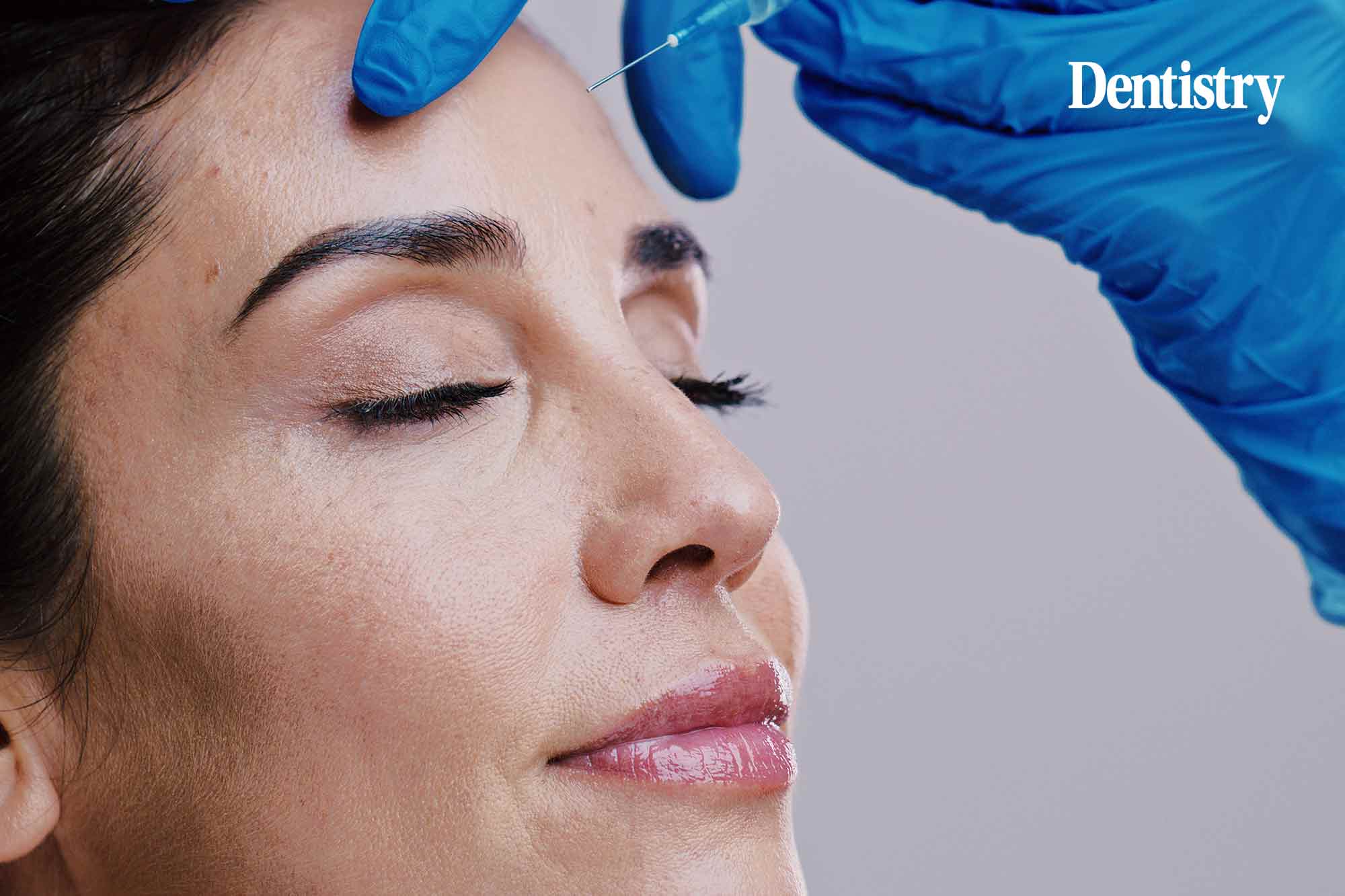
Experts have suggested that ultrasound scans can detect poorly-placed fillers that are blocking blood vessels – prompting a recommendation for scans to be carried out before dermal filler treatment.
In a new study, researchers found that ultrasound can help clinicians to detect vascular complications as a result of misplaced face fillers.
To track the risks of fillers, researchers studied blood vessel complications among 100 patients treated at four radiology centres between May 2022 and April 2025.
The most common vascular adverse events (VAEs) found were absent flow in perforator vessels (42%) and absent flow in major vessels (35%). The next most common were compensatory flow in adjacent or branching vessels (26%), string sign (18%) and increased peak systolic velocity (16%).
Cosmetic complications can be ‘devastating’
‘Vascular occlusion events in the face can be devastating, because, if they’re not properly treated, they can cause necrosis and even facial deformation,’ said researcher Dr Rosa Maria Silveira Sigrist, an attending radiologist at the University of São Paulo in Brazil.
‘Our main objectives were to identify the most frequent findings related to vascular complications to support diagnosis and management, and also to evaluate whether these findings are associated with the use of hyaluronidase, which is the enzyme that breaks down hyaluronic acid [a common filler material].’
Hyaluronidase is an enzyme that breaks down hyaluronic acid and is used by doctors treat those with filler-blocked blood vessels.
Most study participants had been injected with hyaluronic acid. But researchers found there were no differences in Doppler findings between those who did receive hyaluronidase before ultrasound imaging and those who did not.
Clinicians are now being advised to carry out ultrasounds before giving dermal fillers in the face.
‘If injectors are not guided by ultrasound, they treat based on where the clinical findings are and inject blindly,’ added Sigrist.
‘If we can see the ultrasound finding, we can target the exact place where the occlusion occurs. Rather than flooding the area with hyaluronidase, we can do guided injections that use less hyaluronidase and provide better treatment results.’
Follow Dentistry.co.uk on Instagram to keep up with all the latest dental news and trends.