
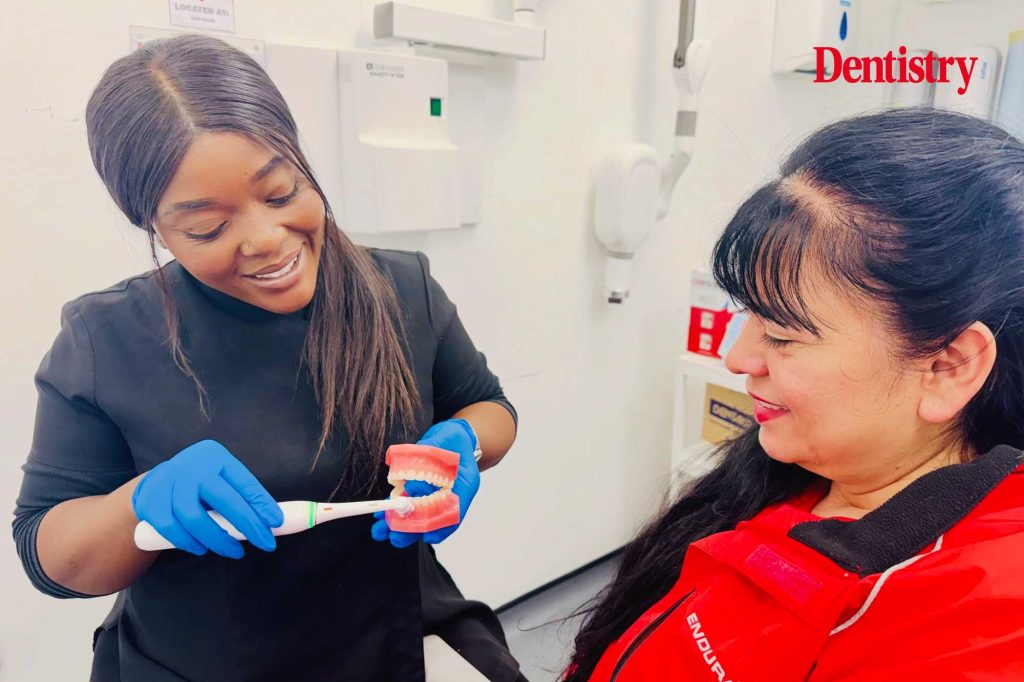
Dental therapist Toyin Akala examines the evidence for a multidisciplinary approach to oral health and wider patient healthcare and wellbeing.
We should always take a holistic view of health. Treating dental care in isolation from the rest of the body is no longer appropriate, as growing evidence links oral health to systemic conditions and supports an integrated approach to care. We must recognise, respect, and embrace research that supports this model.
We should always encourage patients to look beyond their smile and consider their whole-body health, emphasising that the mouth isn’t a separate entity, but instead a key part of a complex, multifaceted system that impacts their overall wellbeing.
‘Oral health is a public health priority’
A recent joint white paper by the European Federation of Periodontology (EFP) and the European Association of Dental Public Health (EADPH) – ‘Oral health and systemic health outcomes: a call for interdisciplinary action’ (Kebschull et al, 2026) – calls for closer integration of oral and general healthcare.
It maintains that oral health is a public health priority, given its prevalence, quality-of-life impact, health inequalities, and links to systemic health, with the strongest evidence for periodontitis and diabetes.
It concludes that ‘oral health must be recognised as integral to general health’ and highlights several key observations. Oral health must become a shared responsibility across sectors and prioritising ‘effective self-performed oral hygiene’ is the practical link between population-level prevention and clinical periodontal care.
Where appropriate, guideline-recommended technologies such as oscillating-rotating powered brushes and stannous fluoride toothpaste should support individual-level prevention.
A multidisciplinary approach to health
Further evidence for toothbrushing effectiveness comes from an independent study, ‘Comparative efficacy of electric toothbrush technologies in plaque and gingivitis reduction: a network meta-analysis’ (Luo et al, 2026).
Published in Clinical Oral Investigations, the study is among the most comprehensive comparative assessments of toothbrush technologies to date, and concluded that oscillating-rotating electric toothbrushes ‘may represent among the most effective interventions for reducing plaque and gingivitis’.
Our recommendations should always be guided by reliable research and clinical effectiveness while reflecting each patient’s needs, medical history, and risk factors. And this is where a multidisciplinary approach to health is key. It helps ensure advice is informed and appropriate.
Sharing knowledge with other healthcare professionals also helps providers recognise when referrals are needed. Accessible resources and joint learning can build confidence, support informed decisions, and improve consistency of care.
Turning evidence into action
Often, the most inspiring evidence is what you see firsthand. Having long recognised a disconnect between medical and dental professionals, I set out to build relationships with local GPs and other healthcare teams.
I recently hosted a health and wellbeing event at a local GP practice to identify knowledge gaps, strengthen interprofessional collaboration, and raise awareness that oral health has its place within the wider healthcare conversation.
My presentation explored links between oral and general health, including paediatric care, menopause and diabetes. I discussed oral hygiene and shared toothpaste and toothbrushing options. The practice also offered blood pressure checks and diabetes screening, creating opportunities to discuss how oral hygiene relates to these conditions.
Common misconceptions included the belief that bleeding gums are normal and that dental care focuses only on teeth and gums. Many attendees were particularly surprised by the two-way relationship between diabetes and periodontal disease.
The response, however, was encouraging. Sharing the evidence helped attendees feel better informed and motivated to take action. In fact, demand for blood glucose checks was so high that the diabetes clinic ran out of test supplies.
I now plan to host a lunch-and-learn session with GPs and midwives to explore further opportunities for joined-up care.
Collaboration and connection
Complex healthcare systems, unclear referral pathways, and limited access to NHS dental services can at times hinder collaboration. But local initiatives like this event can help overcome barriers.
Forging local relationships can bridge gaps, empower patients, and support disease prevention and overall wellbeing.
One of the aforementioned white paper’s recommendations was to apply what works: effective, evidence-based ways to prevent, manage, and rehabilitate oral diseases.
The next step is to embed this approach in our everyday practice. Tools such as the Oral-B iO Test Drive let us follow up on conversations with patients, demonstrate brushing technology, and give them the necessary hands-on experience.
I would like oral health to be recognised as an integral part of wider healthcare, supported by stronger relationships between dental professionals, GPs, nurses, midwives, and other healthcare teams. Joint educational sessions, clear referral pathways, accessible resources, and appropriate information sharing could make collaboration more achievable, beginning with practical local initiatives that can be evaluated and improved.
By discussing systemic health, recommending evidence-based oral care products, and signposting patients to appropriate healthcare support, dental teams can play a major role in delivering the comprehensive healthcare people deserve.
FAQs
How can I ensure the advice I share is evidence-based?
Stay up to date with current research and clinical guidelines to ensure your recommendations are appropriate, that the oral care products you recommend are effective, and that their use is evidence-based. Remember to tailor advice to each patient’s needs and medical history.
How can I strengthen relationships with local healthcare teams?
Contact local GP practices, midwives, and health clinics to arrange lunch-and-learns to share knowledge, coordinate patient education, and establish clear referral pathways. Organise joint learning sessions and community health events, and share resources.
Where can I find readily available research to share with my medical colleagues and other healthcare providers – as well as with patients?
The Oral-B Professional website offers valuable education and resources, including webinars, eCPD courses, and easy-to-digest evidence to support recommendations. It also offers downloadable posters, educational videos, and other patient materials.
References
- https://onlinelibrary.wiley.com/doi/10.1111/prd.70086
- https://link.springer.com/article/10.1007/s00784-026-06955-z
This article is sponsored by Oral-B.


