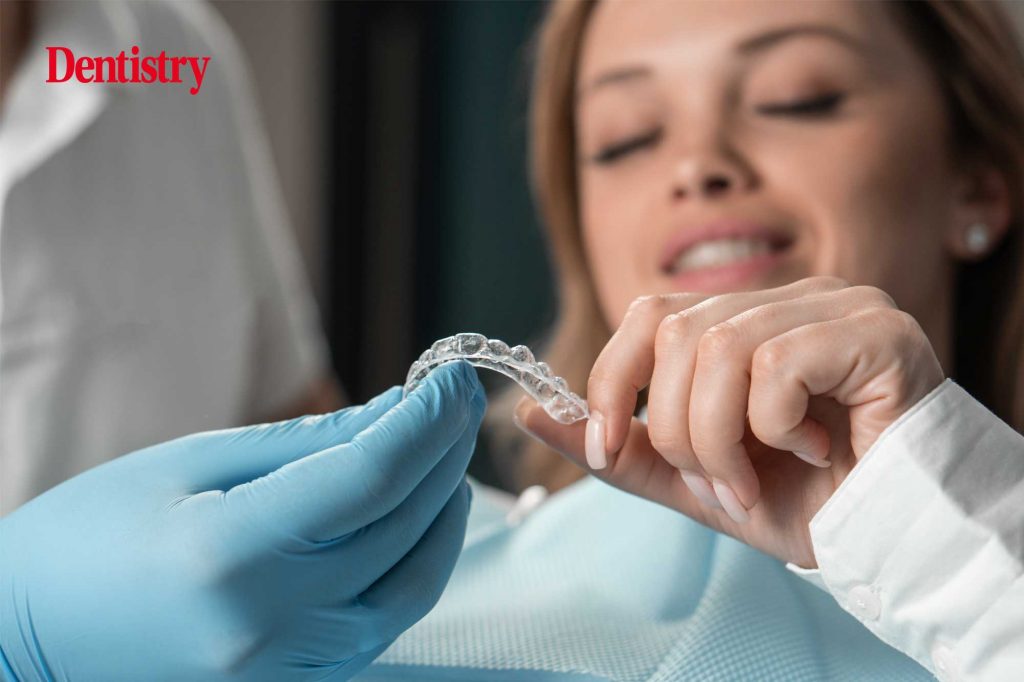
Dr Kalim Sadiq explores how the VAT ruling on clear aligners could affect orthodontic practices, treatment costs and patient preferences – plus, why affordability should never outweigh clinical suitability.
I have been practising orthodontics for over 20 years and have seen many changes during that time, including the increasing use of clear aligners in preference to fixed appliances, advances in digital orthodontics and the introduction of AI with remote monitoring. Over the past decade, clear aligners have become an increasingly popular treatment option in the UK (BOS, 2023).
In a recent tribunal, it was ruled that clear aligners do not qualify as exempt from VAT as dental prostheses and are subject to the standard rate.
Alongside rising laboratory costs, increasing dental material costs and higher staffing costs following increases in the national living wage, the VAT ruling is bound to create additional financial pressures for dental practices.
It is unlikely that every practice will be able to absorb these additional costs indefinitely. Some practices may absorb part of the increase, while others may need to reflect some of those costs in their treatment fees. Ultimately, this will depend on each practice’s business model and financial position.
The financial impact of VAT on clear aligners
Sign in to continue reading
Free access to our premium content:
- Clinical content
- In-depth analysis
- Features, reports, videos and more
By joining, you’re helping to support independent, quality journalism that keeps dental professionals informed and empowered – and allowing us to keep delivering the insights you value most.