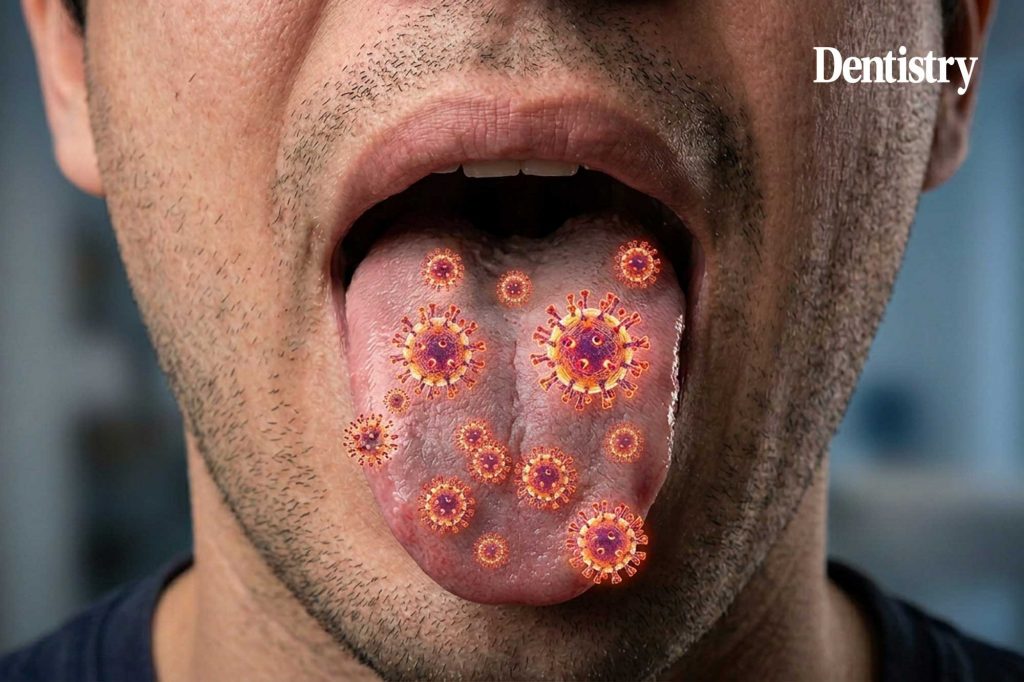
People with long COVID had marked differences in their oral and airway microbiome, a new study has shown, with the changes linked to reduced lung function, cognitive problems and gastrointestinal symptoms in patients.
Researchers from the University of Dundee divided 771 patients who had previously been hospitalised with COVID-19 by the severity of their ongoing symptoms and analysed the microbes in their saliva.
Patients with extreme long COVID had very obvious differences in the microbiome in their mouth and lungs compared with those without the condition.
These differences were associated with a range of systemic symptoms including reduced lung function, neurocognitive symptoms such as brain fog, and gut symptoms (including pain, nausea, diarrhoea and loss of appetite).
Lead author Dr Daniela Alferes de Lima Headley said: ‘We know that millions of people worldwide are still affected by long COVID and its cause is still unknown. Long COVID affects multiple organs. The microbiome is important to maintain health throughout the body, so it is a strong candidate for something that may contribute to long COVID.’
Among the microbiome changes associated with long COVID symptoms was an over-abundance of bacteria that produce lactic acid, which was also linked to signs of inflammation found in the patients’ blood.
Do microbiome changes cause long COVID?
One question the study could not answer is whether the changes were caused by the COVID-19 infection itself or pre-dated it, which would suggest the microbiome affects the chances of a patient developing long COVID. Previous research in 2023 established that a COVID-19 infection can reduce the diversity of the oral microbiome.
Professor James Chalmers, chair of respiratory research at the University of Dundee, said: ‘We urgently need to know what causes long COVID because it remains a major healthcare problem.
‘Understanding what causes it could lead to better treatments; the microbiome can be changed using antibiotics, probiotics or other measures. We hope our findings will stimulate more research into long COVID and, in the future, we would love to see treatment trials to help people with this devastating condition.’
The research is part of PHOSP-COVID, a consortium of UK researchers working to understand and improve long-term health outcomes for COVID-19 patients.
Professor Raquel Duarte is head of the European Respiratory Society’s assembly on infectious diseases. She said: ‘Millions of people worldwide continue to live with the disabling consequences of long COVID. For some, persistent respiratory, cognitive and other symptoms affect their ability to work, study or manage everyday activities, with consequences not only for patients but also for their families, health services and society.’
Create a free account for unlimited access — plus the Dentistry Bulletin delivered to your inbox.