Technology and AI are often framed as a threat to jobs and human connection – but that framing misses a more important question: what kind of work do we actually want people in dentistry to be spending their time on?
If we are honest, very few people come into work at a dental practice energised by the prospect of booking appointments or manually completing notes. Most enter this profession because they want to care for people, to reassure a nervous patient, to support an elderly person through their medical history or to help a parent navigate treatment options for their child. That human interaction is where the real value and satisfaction lie.
The real opportunity with technology is not replacement but refocusing
When AI and automation are applied thoughtfully, they remove the friction of repetitive, administrative work and give time back to clinicians and practice teams to focus on what matters most: patient care, communication and clinical decision-making.
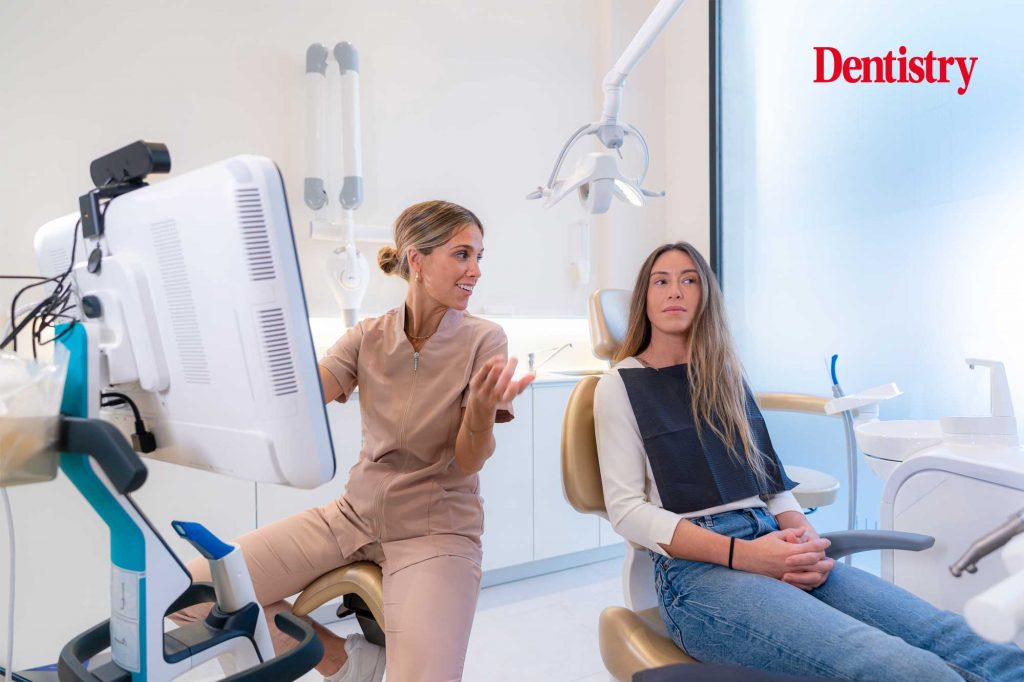
Consider a typical clinical journey. A patient arrives, sits in the chair and engages in a conversation with the clinician, discussing symptoms, concerns and treatment options. Imaging is taken, data is captured and from that information, charting, treatment planning and patient education materials can now be generated automatically. The clinician remains in control, but the cognitive and administrative load is dramatically reduced.
One of the clearest examples of this shift is AI-powered clinical notes. It is entirely reasonable for a clinician to spend five minutes per patient writing notes, which quickly adds up to hours every week. AI changes that dynamic. Dictated notes can be transformed automatically into structured, personalised templates that reflect the clinician’s own style and standards, while maintaining accuracy and completeness.
Time saved administratively is time reinvested clinically
That reclaimed time allows for deeper patient conversations, better explanation of treatment options and fewer compromises made because appointments are running behind. It also means appointments are more likely to finish on time, protecting lunch breaks, reducing evening overruns and contributing meaningfully to work life balance. These are not soft benefits; they have real implications for clinician wellbeing, retention and the long-term sustainability of the profession.
What is important to stress is that this is not a distant vision of the future. All of these individual components already exist today, operating within different parts of dental software ecosystems across the world. The real shift happening now is joining those pieces together to create a truly connected patient and clinician journey.
From my perspective, this represents the most significant change in dental technology I have seen in my career and I believe we will see even more acceleration over the next three to five years. The question for the profession is not whether AI will play a role, but how deliberately we choose to use it.
Used well, technology delivers very real outcomes: improved patient care, reduced stress, more consistent documentation and greater peace of mind for clinicians. Ultimately, that is a pathway to greater professional satisfaction and not less human interaction.
Henry Schein One has published a research-based white paper that lifts the lid on the current and future perceptions of dentistry, from dental professionals themselves. Download it for free.
For more information about Dentally, visit www.dentally.com.
This article is sponsored by Henry Schein One.