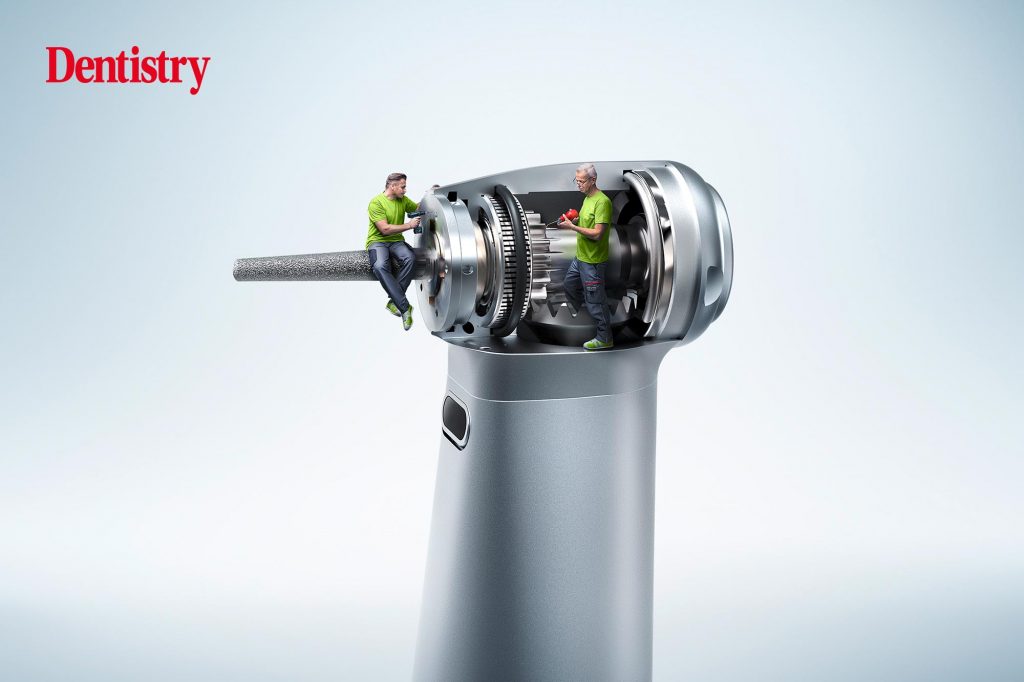
A reliable handpiece is essential to safe and efficient dentistry – but knowing when to repair or replace it is not always straightforward, says Gavin Knight. Take our quick quiz to find out what your handpiece may need next.
Dental handpieces are an essential piece of equipment in any dental practice, so keeping them performing safely and reliably is critical. Like any precision instrument, however, even a well-maintained handpiece will eventually require servicing, repair or replacement. The challenge for practices is knowing when a repair is the sensible option and when continued investment is no longer worthwhile.
A useful starting point is to consider the total lifecycle cost of a handpiece rather than simply its original purchase price. Regular servicing should form part of that calculation from the outset. Preventative maintenance helps ensure equipment continues to operate as the manufacturer intended, while also identifying smaller problems before they develop into more serious and expensive failures.
Take the quiz!
Create your own user feedback survey
Common signs your handpiece needs attention
A handpiece rarely fails completely without giving some warning. Changes in performance can be early indicators that servicing is required. These may include unusual or increased noise, vibration, reduced cutting performance, inconsistent speed, overheating, water or air-flow problems, or difficulty operating the chuck or bur retention mechanism.
Visible damage should also be taken seriously. Cracks, corrosion, worn components or damage caused by repeated handling and sterilisation can affect both performance and safety. If a handpiece is taking longer to perform routine procedures, or clinicians notice that it no longer feels or sounds as it normally does, it should be inspected rather than simply returned to service.
Regular inspection is particularly important because minor faults can cause damage to other components if they are left unattended. Addressing a relatively small issue early can prevent a much larger repair later – a case where the old saying, ‘a stitch in time saves nine,’ remains very relevant.
Repair or replace?
When a handpiece requires attention, the decision should not automatically be based on the repair quotation alone. Several factors need to be considered.
Age is an important consideration. An older handpiece may have provided many years of reliable service, but if several major components are approaching the end of their useful life, repeated repairs may become increasingly difficult to justify. By contrast, a relatively new handpiece with a straightforward fault may be an excellent candidate for repair.
Condition and repair history are equally important. A handpiece that has been regularly maintained and is otherwise in good condition may have plenty of useful life remaining. One that has suffered repeated failures, significant wear or accidental damage may represent a different proposition.
Cost should also be viewed in the context of future reliability. A lower-cost repair is not necessarily the most economical option if further failures are likely. Conversely, replacing equipment that could be restored reliably and economically is unlikely to provide the best return on investment. The decision should therefore consider the expected future service life, not simply today’s repair bill.
Technological developments can also influence the decision. Newer handpieces may offer improved ergonomics, performance, efficiency or compatibility with other equipment in the practice. In some circumstances, replacing an older model may therefore be a commercial decision as much as a technical one.
Maintenance matters
Preventative maintenance can significantly influence the lifespan of a dental handpiece. Service intervals may be determined by time, usage or the number of cycles completed, depending on the product and manufacturer’s recommendations. At W&H UK, annual safety inspections and function checks are recommended for applicable devices as good practice, helping practices confirm that instruments remain safe and operational.
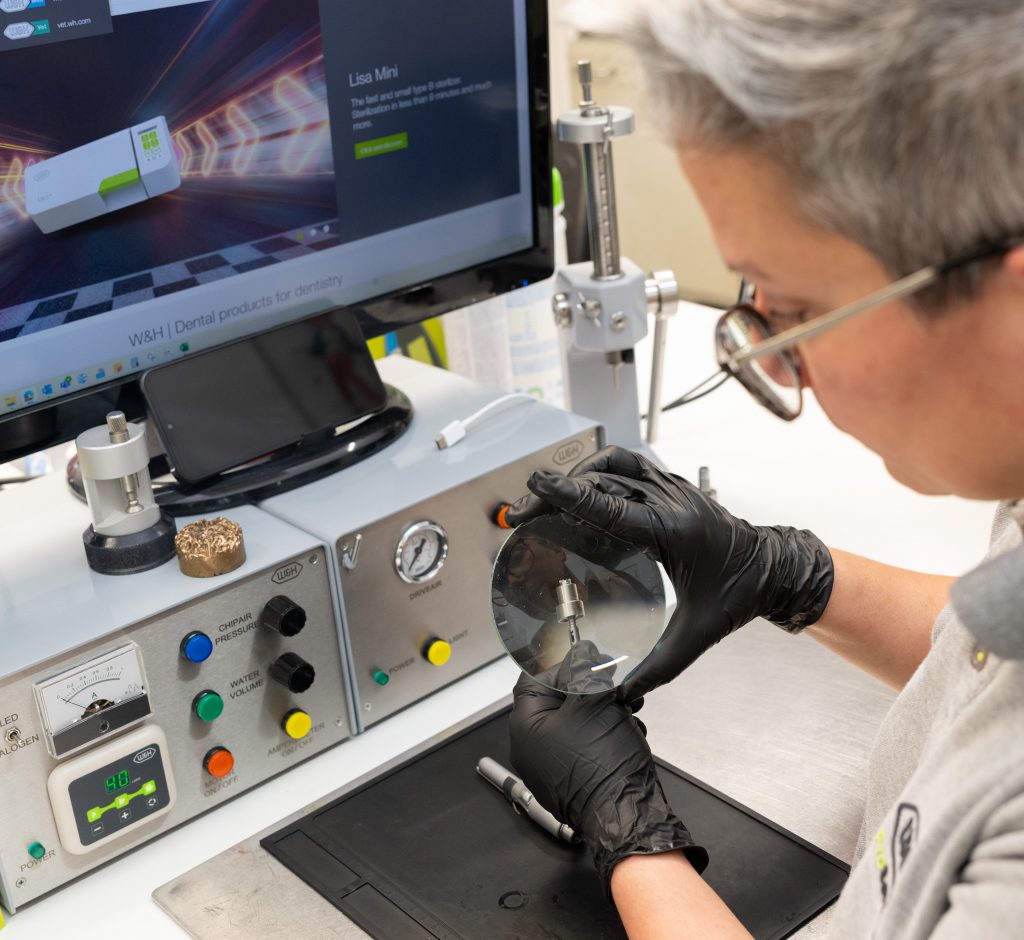
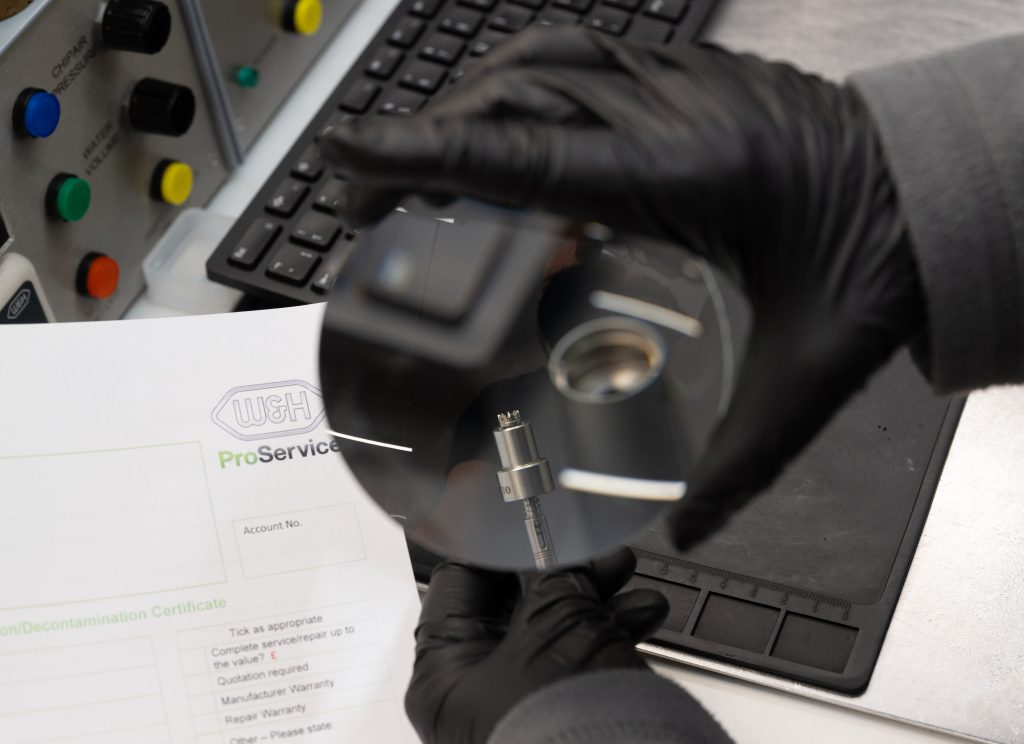
Keeping accurate service records can make this process easier. Recording the handpiece’s model and serial number, service history and future inspection requirements supports effective equipment management and helps practices make informed replacement decisions. For larger equipment estates, a dedicated service-management system can provide an additional level of traceability.
The quality of replacement components also matters. Using genuine manufacturer-approved parts helps preserve the handpiece’s intended performance, reliability and safety. Generic components can alter the original specification of a precision instrument and may affect its reliability and longevity.
Making the right decision
Ultimately, there is no universal point at which every dental handpiece should be replaced. The right decision depends on the individual instrument, its age, condition, service history, repair requirements and the investment needed to keep it operational.
The best approach is to view repair and replacement as part of the handpiece’s whole lifecycle, rather than treating each repair as an isolated expense. Regular servicing, professional inspection and accurate records provide the information needed to make that decision confidently.
A reputable manufacturer or authorised service centre can also help assess whether a handpiece is worth repairing or whether replacement would provide better long-term value. For a busy dental practice, the objective is not simply to keep an old instrument running for as long as possible. It is to ensure that every investment delivers the right balance of safety, performance, reliability, longevity and cost.
With the right maintenance strategy and timely decisions, dental practices can maximise the useful life of their handpieces while avoiding unnecessary downtime and unexpected expenditure.
This article is sponsored by W&H.