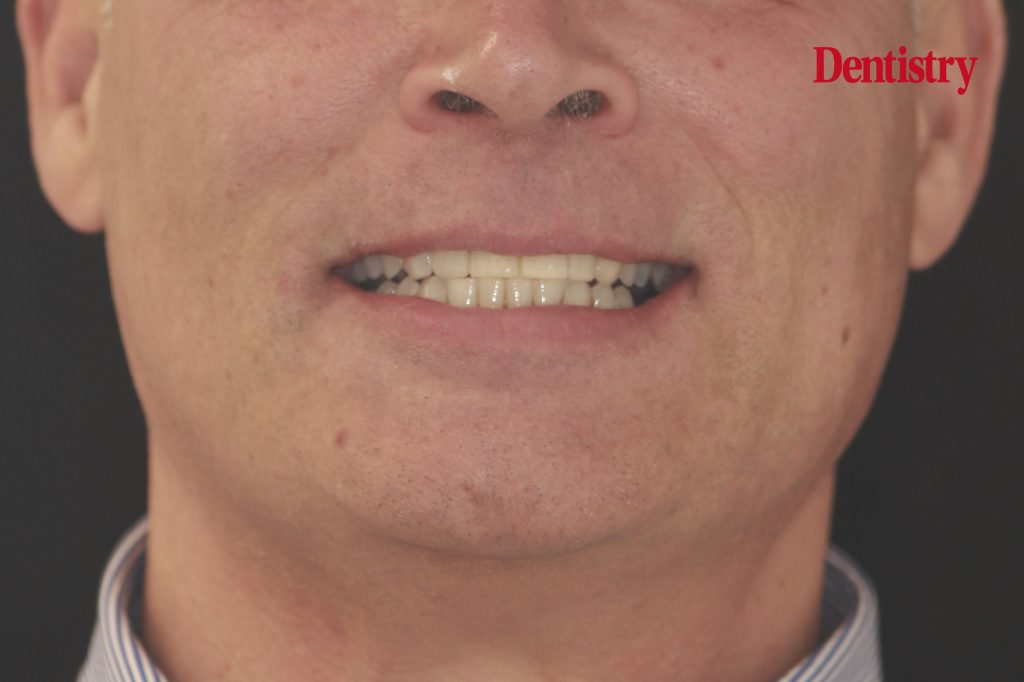
Nieves Ros demonstrates how periodontal treatment, Invisalign and composite bonding can be combined to manage diastema and tooth migration associated with periodontal disease.
When this 56-year-old patient first came to see me at Smmmile Store Bristol, his concern was clear and immediate: a growing gap between his upper anterior teeth that had been developing over recent years and was increasingly affecting his confidence.
As a businessman who regularly led client meetings, his smile mattered – not just aesthetically, but professionally. He described becoming progressively self-conscious about it, noticing that it had started to alter the way he carried himself.
Examination and diagnosis
A clinical examination was carried out and revealed that the diastema and tooth migration were not simply a cosmetic issue. The patient had been diagnosed with active periodontal disease by a previous dentist, and this was the root cause of the tooth shifting we were observing.
X-rays confirmed generalised bone loss and, critically, significant bone loss on the mesial aspect of the UL1 – a finding that would profoundly influence every treatment decision that followed.
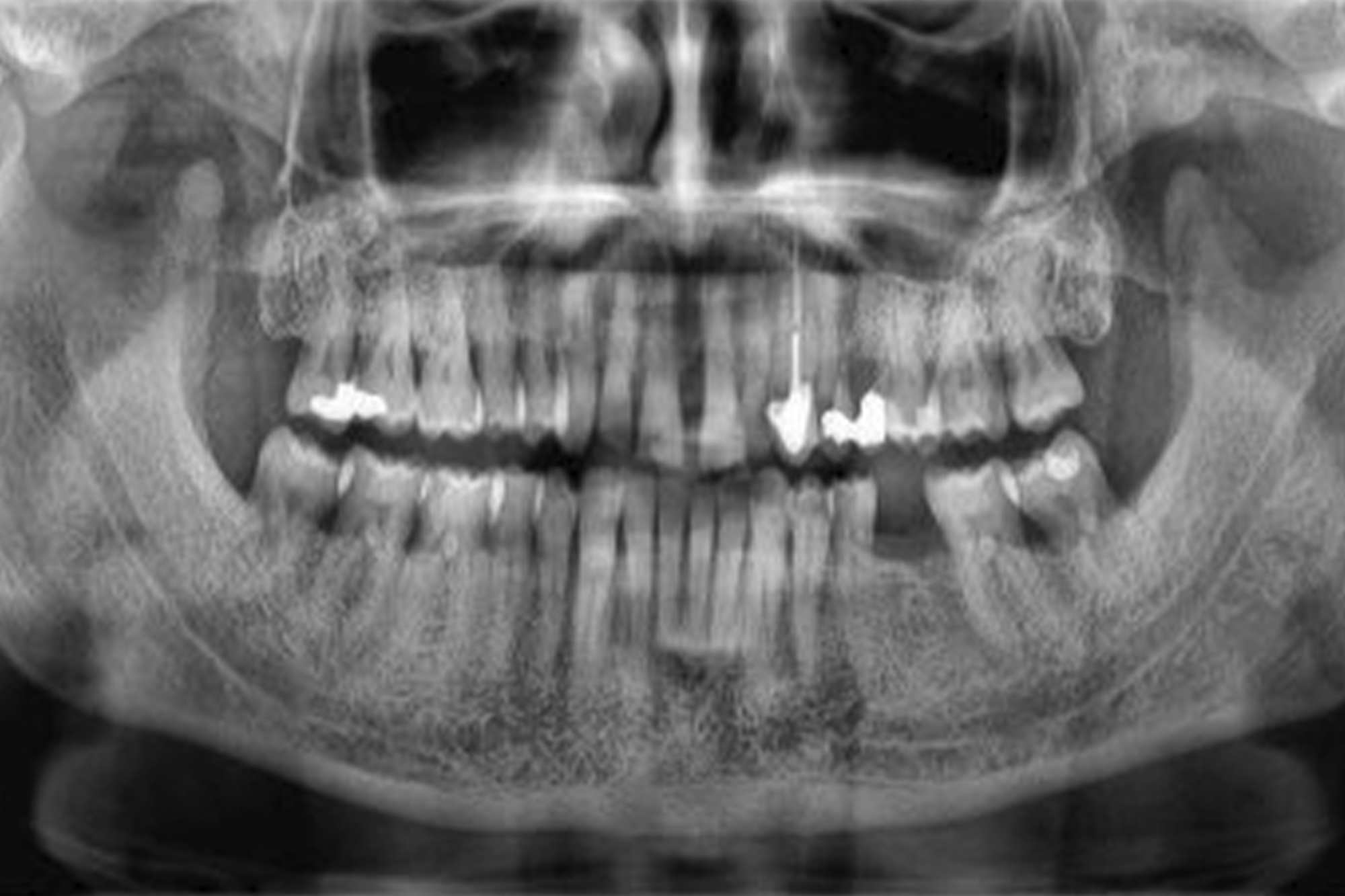
Panoramic radiograph (OPG) at presentation. Generalised bone loss is evident, with particular involvement of the mesial aspect of UL1 – a key constraint in treatment planning
Sign in to continue reading
Free access to our premium content:
- Clinical content
- In-depth analysis
- Features, reports, videos and more
By joining, you’re helping to support independent, quality journalism that keeps dental professionals informed and empowered – and allowing us to keep delivering the insights you value most.