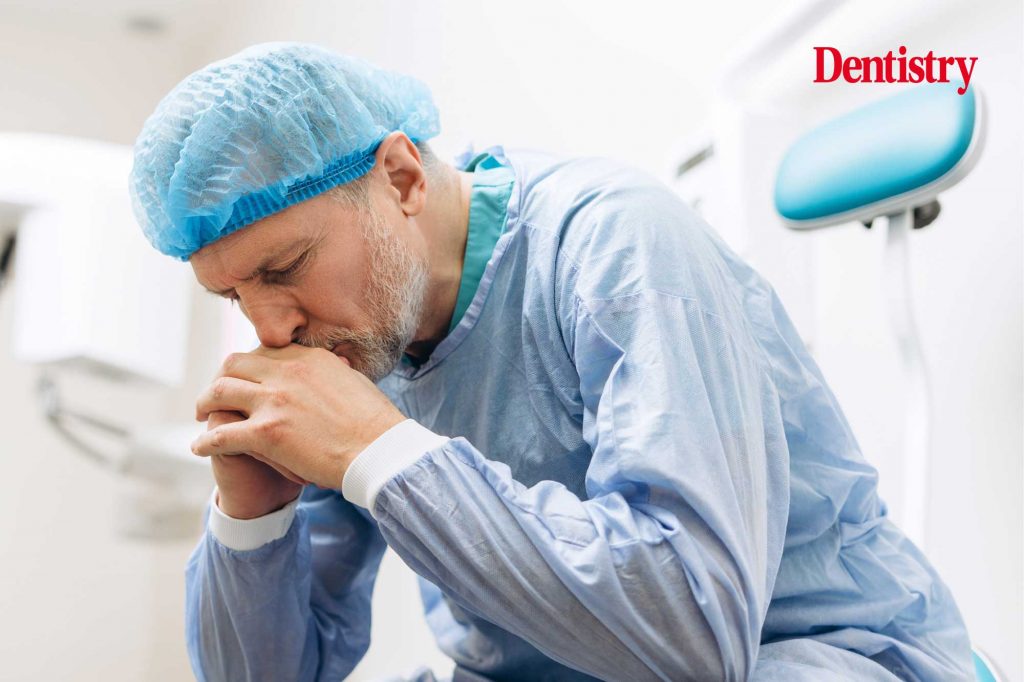
Dentists are abandoning the NHS, or so the headlines say. Rachel Gilmour MP believes ministers, not the profession, should answer for the NHS dental crisis.
The Liberal Democrat MP for Tiverton and Minehead has proposed giving the government one year to improve NHS dental care in West Somerset.
Gilmour has tabled an amendment to the Health Bill addressing what she described as ‘painfully inadequate’ local provision, a day after analysis by the Nuffield Trust found that nearly 600 practices in England had withdrawn from NHS dentistry over the past decade.
Her constituency crosses the Somerset-Devon border, where the analysis showed some of England’s steepest reductions in NHS provision. Between March 2017 and March 2026, the number of practices offering NHS dentistry fell by 15% in Somerset and 25.8% in Devon. Fewer than one in five dental practices in Somerset now offers NHS services.
If accepted, Gilmour’s amendment would give the government one year from the Health Bill becoming law to improve access. If that deadline were missed, the health secretary would have to attend a public meeting in the constituency and explain why.
‘The state of NHS dentistry in Somerset is shocking, leaving adults and children in pain without the care they urgently need,’ said Gilmour.
She added: ‘Yvette Cooper now has a clear choice, back this one-year target to restore local care, or stick her fingers in her ears and pretend this crisis does not exist.’
A shortage of NHS dentistry
Her intervention comes as mainstream media was awash with the analysis by the Nuffield Trust, pointing out that one in 10 practices that previously offered NHS treatment no longer does so.
But the profession itself is not shrinking. The Nuffield Trust found that the overall number of dental practices in England had increased by more than 400 over the same period. Separately, the General Dental Council register reached 47,022 dentists following the 2026 annual renewal, an increase of 3.2% in one year.
Dentist and practice numbers are rising while the NHS dental footprint is contracting. That points to a failure to retain the workforce within NHS dentistry, not simply a shortage of qualified professionals.
That distinction was largely lost in headlines about dentists ‘abandoning’ the NHS. The coverage risked reinforcing a familiar public narrative about dentists walking away while giving less prominence to why practices are withdrawing or why the NHS has failed to retain them.
Nuffield Trust policy analyst Mark Dayan said it plainly: ‘This is not a shortage of dentistry but a shortage of NHS dentistry.’
That makes the repeated focus on increasing dentist numbers difficult to accept as an answer in itself.
The size of the register does not show where dentists work, how many hours they practise or whether they provide NHS care. Recruitment and distribution remain serious problems in many areas.
But dental training places are expanding and demand for the Overseas Registration Examination and Licence in Dental Surgery continues to exceed available capacity.
More dentists may ease workforce pressure, but they will not restore access unless the NHS gives them a workable reason to provide NHS care. As Eddie Crouch has long said, we need to fix the leaky bucket.
Government holds the levers
Patients unable to find an appointment are understandably angry. Headlines presenting dentists as walking away from their responsibilities direct that anger towards the most visible part of the system.
Practices do not decide how much NHS dentistry is commissioned or how it is funded. Integrated care boards commission services within a national contract and funding framework set by government.
When the value attached to a practice’s units of dental activity (UDAs) fails to cover the cost of providing care, reducing NHS work can become a financial necessity, not evidence that dentists have abandoned their responsibilities.
The handling of the dentistry brief following the latest reshuffle hardly conveyed urgency. Andy Burnham became prime minister on 20 July, but James Frith’s responsibility for dentistry was not confirmed publicly until August.
Frith now inherits Labour’s promise to reform the NHS dental contract. Progress should be measured by whether the NHS can retain dentists and restore access, not simply by how many people join the register.
Gilmour is asking ministers to account for the service. The wider coverage should apply the same test.
Dentists are not disappearing. NHS dentistry is.
Follow Dentistry.co.uk on Instagram to keep up with all the latest dental news and trends.