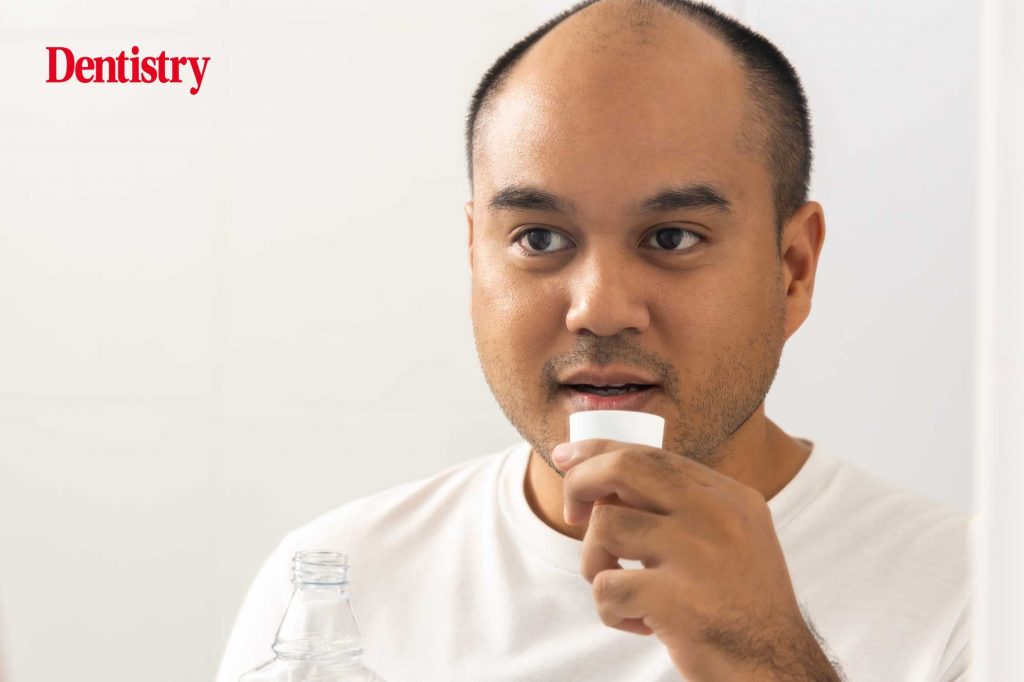
Listerine explores the latest evidence on mouth rinses containing essential oils as an adjunct in everyday oral care routines.
Effective plaque control is central to the prevention and management of gingival inflammation. While toothbrushing and interdental cleaning are fundamental components of daily oral hygiene, evidence indicates that mechanical plaque removal alone is often insufficient to achieve and sustain gingival health for many patients (Chapple et al, 2015).
This has led to increasing focus on adjunctive chemotherapeutic agents, including essential oil (EO) mouth rinses, to support effective biofilm control as part of a preventive oral care routine.
The role of adjunctive mouth rinses is reflected in the European Federation of Periodontology S3-level clinical practice guideline and its implementation in UK practice, which emphasise the importance of sustained supragingival plaque control and gingival inflammation management as the foundation of periodontal care (Sanz et al, 2020; West et al, 2021).
Evidence from systematic reviews
Systematic reviews provide strong evidence that chemical plaque control can enhance the outcomes of mechanical oral hygiene. Serrano et al (2015) demonstrated that the adjunctive use of anti-plaque agents resulted in statistically significant improvements in plaque levels, gingival inflammation and bleeding compared with mechanical plaque control alone.
Further analysis by Figuero et al (2019) found that mouth rinses containing EOs ranked among the most effective formulations for reducing plaque indices when used as an adjunct to mechanical plaque control, supporting their role in daily preventive oral hygiene routines.
These findings are clinically relevant given the recognised challenges many patients face in maintaining optimal plaque control through mechanical means alone over time.
Evidence from clinical trials
More recent randomised controlled trials further support the use of EO mouth rinses as part of daily oral hygiene. In a 12-week examiner-blind clinical trial, Bosma et al (2024) assessed combinations of brushing, flossing and EO mouth rinsing in adults with gingivitis.
This contemporary study indicated that oral hygiene regimens incorporating an EO mouth rinse, whether alcohol-containing or non-alcohol-containing, achieved significantly greater reductions in plaque compared with brushing alone.
Importantly, regimens that included an EO mouth rinse consistently outperformed brushing alone and brushing with flossing in measures of supragingival plaque. This benefit was observed across interproximal, marginal and whole-mouth sites, highlighting the potential value of EO mouth rinses for areas that can be difficult to clean effectively using mechanical methods alone.
Implications for preventive care
The findings from systematic reviews and clinical trials align with the stepwise approach to periodontal care outlined in the BSP implementation of the European S3-level evidence-based treatment guidelines for stage I-III periodontitis in UK clinical practice (West et al, 2021).
Step one therapy prioritises patient education, risk factor control and daily plaque management to stabilise periodontal health. Within this context, EO mouth rinses may support improved plaque control when used alongside brushing and interdental cleaning.
For patients who experience ongoing gingival inflammation despite reported adherence to mechanical oral hygiene, adjunctive use of an evidence-based mouth rinse offers a practical and accessible option to support preventive care goals.
For further professional resources and access to the full clinical evidence base, visit kenvuepro.com/en-gb/brands/listerine.
References
- Bosma ML et al (2024) Efficacy of flossing and mouth rinsing regimens on plaque and gingivitis: a randomized clinical trial. BMC Oral Health; 24: 178
- Chapple ILC et al (2015) Primary prevention of periodontitis: managing gingivitis. J Clin Periodontol; 42(Suppl 16): S71-S76
- Figuero E et al (2019) Efficacy of adjunctive anti-plaque chemical agents in managing gingivitis: a systematic review and network meta-analysis. J Clin Periodontol; 46: 723-739
- Sanz M et al (2020) Treatment of stage I–III periodontitis: the EFP S3 level clinical practice guideline. J Clin Periodontol; 47(Suppl 22): 4-60
- Serrano J et al (2015) Efficacy of adjunctive anti-plaque chemical agents in managing gingivitis: a systematic review and meta-analysis. J Clin Periodontol; 42(Suppl 16): S106-S138
- West NX et al (2021) BSP implementation of the European S3-level evidence-based treatment guidelines for stage I–III periodontitis in UK clinical practice. J Dent; 106: 103562
This article is sponsored by Listerine.