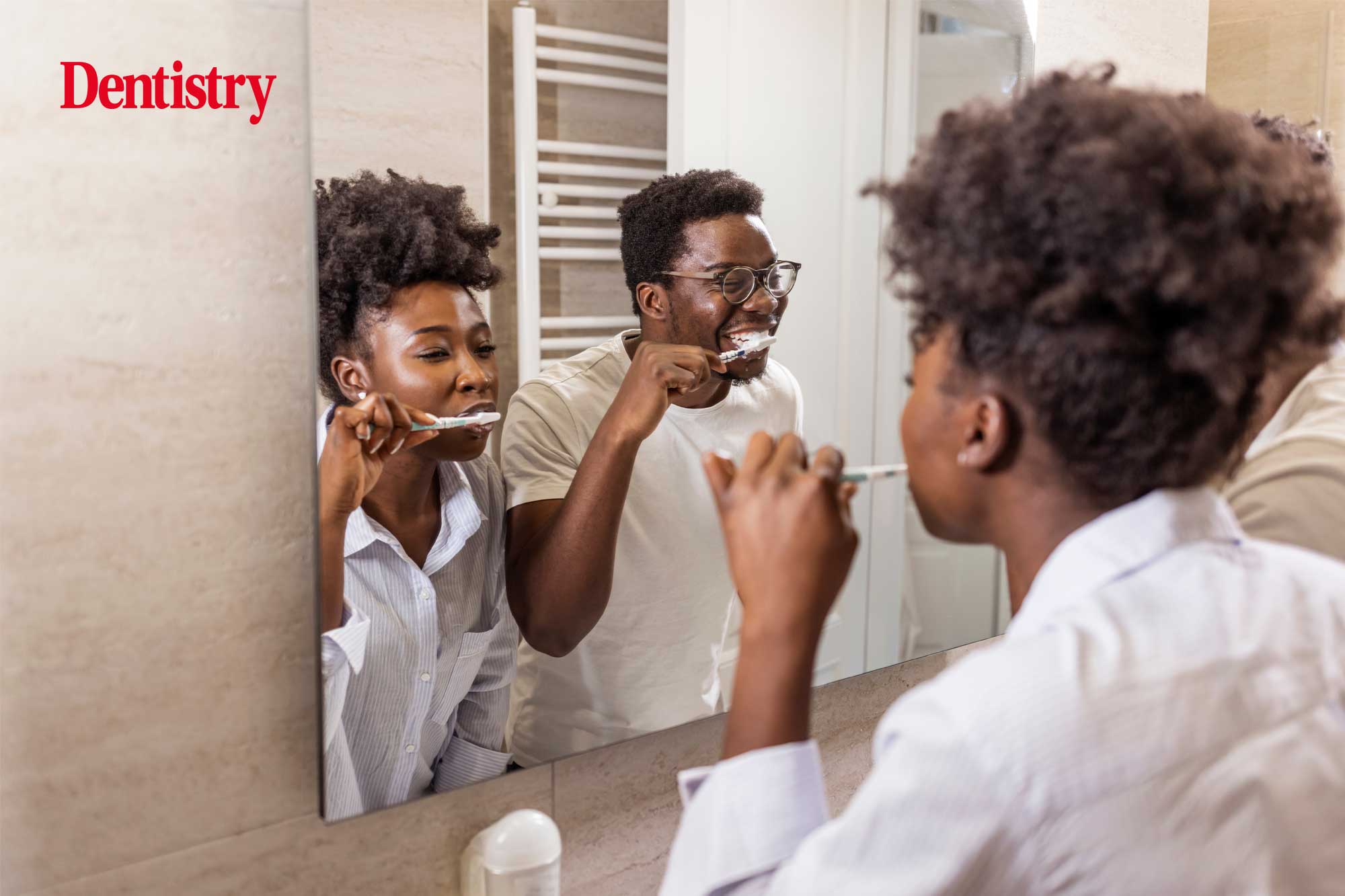
Rhiannon Jones explores the evidence, patient limitations, and the role of adjunctive therapies in questioning whether mechanical cleaning alone is enough.
Mechanical cleaning has long been the accepted way of preventing dental diseases. But we have to acknowledge that mechanical cleaning is not possible for every patient (Van der Weijden et al, 2015). So, when do we accept that mechanical cleaning alone is no longer effective, and when should we consider adjunctive approaches?
This doesn’t mean giving up. We are now allowed to keep some people in step one care, and in some cases even use the term palliative care, when we feel we’ve thrown every possible option at the patient and they’re still not improving. High plaque scores, high bleeding scores, tooth loss, or reduced bone levels on radiographs can all show that the disease is progressing. But before we stay in that step one loop, we need to be sure we have put every effort in.
Defining mechanical cleaning
Mechanical cleaning means cleaning surfaces by applying effective contact onto or over the surfaces with equipment designed for this purpose – such as toothbrushes, interdental aids, and micro-mechanical components like silicates in toothpaste.
But for some people, this isn’t possible. Reasons may include:
- Problems with grip, pressure, coordination, energy or motivation
- Illnesses affecting their ability to clean effectively
- Complex dentistry that patients or carers do not fully understand
- Care delivered by someone else, such as a carer, who struggles to manage it
- Patients who have already tried alternatives but are still not able to keep control.
When plaque control remains inadequate – evidenced by bleeding on probing, new carious lesions, halitosis, or lack of improvement despite changes to their routine – it is time for a rethink.
Looking to chemotherapeutics
At this stage, we look at the role of chemotherapeutics in mouth care. Think of it like cleaning a plate: if you no longer have the brush you used to rely on, or you can’t grip it properly, what do you do? If the tools are no longer enough, you need something additional.
So, what about chemical cleaning alongside mechanical cleaning? For many of us, beliefs were shaped at university. I carried the view for 15 years that certain mouthwashes ‘only cleaned the sink,’ because I hadn’t kept up to date. Patients deserve someone who is current with the evidence, because we don’t sell products – we sell health. And the only way to know a product contributes to health is through evidence.
Even after instruction and support, biofilm removal is often insufficient in the general population. This poses risks, particularly for susceptible patients (Serrano et al, 2015; The Economist Intelligence Unit Limited, 2021). Given these limitations, and the high prevalence of gingivitis and periodontitis, it could be argued that the population as a whole could benefit from the use of antiseptics as adjuncts to mechanical biofilm removal (Chapple ILC et al, 2024).
What does the evidence say?
We now have S3-level guidelines on the use of chemotherapeutic agents, accepted as adjuncts to mechanical cleaning. They identify toothpaste and mouth rinses with active agents as having strong evidence of efficacy (Sanz et al, 2020).
Three main groups of mouth rinses are supported by the evidence (Sanz et al, 2020):
- Essential oils (EO)
- Chlorhexidine (CHX)
- Cetyl-peridium chloride (CPC).
In fact, essential oils were associated with the greatest reduction in plaque in a systematic review and meta-analysis led by Elena Figuero (2020), delivering significant reductions beyond mechanical cleaning alone, including improvements in inflammation.
The S3 guidelines are clear (Sanz et al, 2020):
- The basis of managing gingival inflammation is self-performed mechanical removal of biofilm
- Adjunctive measures, including antiseptics, may be considered in specific cases as part of a personalised treatment approach
- If an antiseptic is used, the recommended active ingredients are chlorhexidine, essential oils and CPC.
Mouth rinses appear to offer better distribution in the mouth and better pharmacokinetic properties than toothpaste alone (Serrano et al, 2015).
Practical considerations
When recommending products, we must also consider the patient’s needs:
- Alcohol-free formulations for recovering alcoholics
- Taste, fluoride content, and acceptable flavours
- Ease of opening bottles for patients with disabilities
- Limited evidence in pregnancy or breastfeeding
- Possible side effects such as staining, altered taste, burning or tongue changes
- As with any recommendation, we should inform patients about potential effects and advise them to stop if they experience a reaction.
Applying it in practice
Antiseptics can help in situations such as:
- High levels of gingival inflammation despite low visible plaque
- Inadequate access for cleaning due to crowding, overhanging restorations or root concavities
- New implants where patients struggle with plaque control
- Systemic factors such as diabetes, immunocompromise, frailty or reduced dexterity and motivation.
By reducing bleeding and inflammation, we may also improve general health, and for some patients this improvement can be the motivational boost they need to keep going.
Addressing common myths
There are a few myths worth clarifying (Sköld & Holmlund, 2012):
- Spit, don’t rinse with water: ‘Delivering better oral health’ has been updated. It now states ‘don’t rinse with water’ rather than ‘don’t rinse at all’. A fluoride reservoir remains effective even when a mouth rinse is used
- Timing of rinsing: patients can use a mouthwash at the same time as brushing; it does not wash away the toothpaste fluoride
- Alcohol: the risks are linked to ingestion, not rinsing. Patients should not swallow mouthwash, and in practice they do not.
Conclusion
The evidence is clear: while mechanical cleaning is the basis of oral health, adjunctive antiseptics have a valuable role in reducing plaque and inflammation. They can help in both gingivitis and periodontitis, and in preventing recurrence. Antiseptics are generally safe, with only minor side effects to consider, and can benefit a wide range of patients – particularly those struggling with mechanical cleaning alone.
Learn more about Listerine at kenvuepro.com/en-gb/brands/listerine.
Head to Dentistry.co.uk to complete the Digital Oral Hygiene Roadshow 2025.
This article is sponsored by Kenvue Inc.