The Aligner Dental Academy explains how orthodontics can be combined with restorative dentistry within the Invisalign system.
In today’s world of modern dentistry, creating beautiful, functional smiles often takes more than just one pair of hands. When orthodontics – particularly clear aligners like Invisalign – teams up with restorative dentistry, the results can be game-changing.
In this article, we will break down how this collaborative approach works, why it’s so effective, and what steps are involved in making it all come together.
Comprehensive assessment: the SAFE approach
Dr Raman Aulakh’s SAFE assessment provides a foundational, full-spectrum approach:
- Structure: evaluate caries, restorations, tooth wear, and root alignment. A CBCT scan may be required to assess bone volume for implant feasibility
- Aesthetics: midline position, smile arc, symmetry, gingival margins, and buccal corridors. Special attention is given to the upper incisor display relative to the lip line
- Function: review static and dynamic occlusion, overjet, overbite, canine guidance, and crossbites. Missing laterals often disrupt anterior guidance and reduce functional envelope
- Biology: assess periodontal health and biotype. Thin biotypes require cautious movement planning to prevent recession.
On the Aligner Dental Academy platform, you can watch detailed webinar on SAFE Assessment.
Understanding the patient needs
Clear aligner providers typically encounter three patient categories:
- Ortho-only candidates: patients seeking alignment who need no additional restorative work
- Restorative-first cases: patients wanting ortho treatment but requiring restorative intervention before it can begin
- Ortho-first restorative cases: patients requesting restorative work who need alignment first for optimal outcomes.
Identifying which category a patient falls into is the first step toward successful treatment planning.
Treatment workflow: from stabilisation to restoration
Effective ortho-restorative care follows a staged approach
- Disease stabilisation: treat caries, periodontal disease, endodontic issues, and manage TMD or occlusal disease
- Orthodontic alignment: clear aligners can be used to create restorative space, correct occlusion, and prepare the dentition for final restorations
- Restorative phase: includes edge bonding, veneers, crowns, bridges, or implants
- Retention: final retainers are planned in conjunction with the restorative outcome
A successful Clear Aligner Treatment prescription must begin with the end in mind, anticipating the final restorative requirements at the alignment planning stage.
Key considerations in ortho-restorative integration
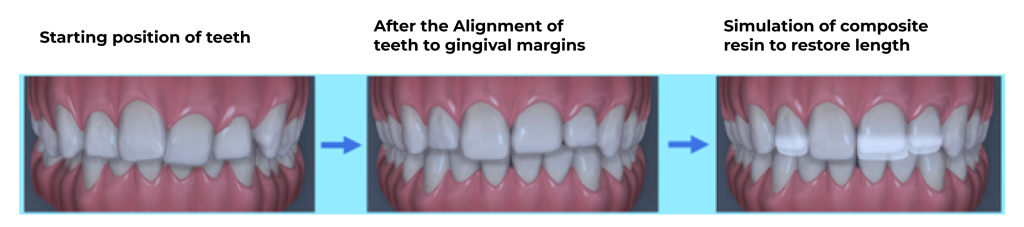
1. Gingival margins vs incisal edges
Compensatory overeruption and tooth wear can distort gingival symmetry. Choosing to align gingival margins versus incisal edges affects not only aesthetics but also the feel of the final result for the patient.
2. Tooth size discrepancies and bolton analysis
Discrepancies in tooth width, especially with missing or peg-shaped laterals, impact smile symmetry and function. Digital planning and space creation are crucial for balanced results.
3. Creating restorative or implant space
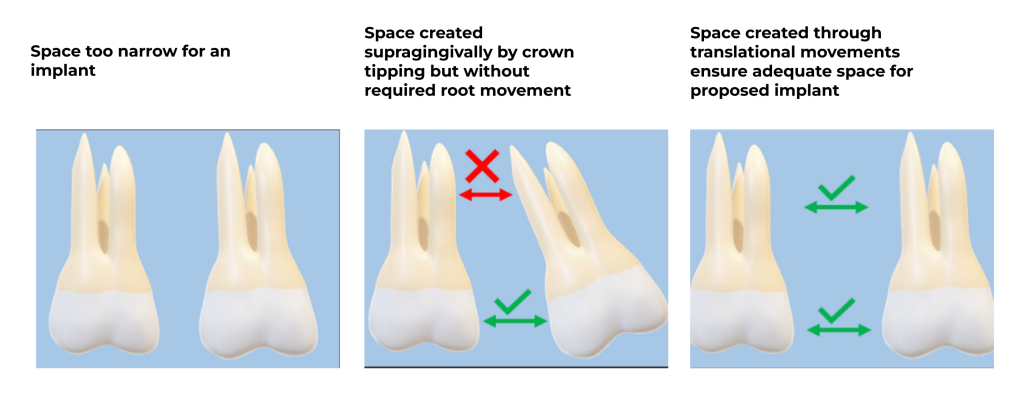
Functional guidance (canine guidance, incisal clearance) must be verified before composite build-ups or prosthetic placement. Invisalign can help re-establish guidance and correct occlusal relationships. The specific tooth being replaced determines the ideal implant size.
For implants, ensure spaces are created through bodily movement of the teeth adjacent to the gap, rather than crown tipping alone. It is crucial to move the roots sufficiently to create the required width for the planned implant size.
4. Smile Architect
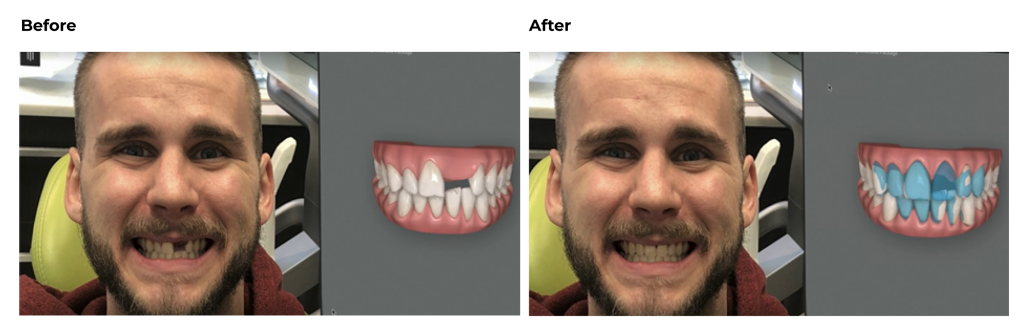
Invisalign Smile Architect is a digital treatment planning tool that integrates orthodontic and restorative planning by aligning teeth with the final restorative outcome in mind, enabling more precise, efficient, and aesthetic smile makeovers.
Collaborative treatment planning
Working with periodontists, restorative dentists, and implantologists from the outset ensures:
- Appropriate attachment design and tooth movement
- Adequate space for restorations or implants
- Minimally invasive, stable, and aesthetic outcomes.
If restorative work is done by the same practitioner, plan for whitening, desensitisation, and retainer fabrication to integrate seamlessly with the final restorations.
Critical planning tips for clinicians
- Begin with the End in Mind: Invisalign planning should always account for the final restorative vision
- Use Bolton analysis: using Invisalign ClinCheck’s Bolton analysis tool in ortho-restorative cases enhances treatment planning by accurately identifying tooth size discrepancies, especially important when managing one peg and one missing lateral, to calculate precise space requirements, determine mesio-distal tooth widths, and plan final tooth dimensions and spacing needed after orthodontic treatment
- Collaborate early: involve periodontists or implant dentists before you prescribe aligners to ensure proper space and gingival contouring
- Consider lip position: over-intrusion of upper incisors in patients with low smile lines can compromise smile aesthetics, while over-extrusion in high smile lines may result in excessive gingival display. When planning anterior open bite and deep bite cases, it is essential to assess the level of incisor display at rest, as this changes with age. Additionally, excessive retraction can lead to lip drop, and pronounced proclination may cause lip incompetence
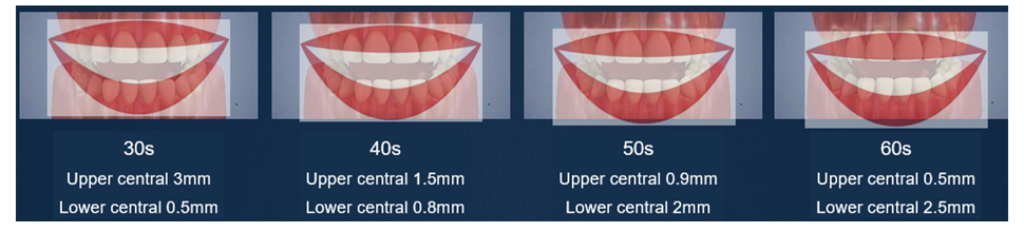
- Manage expectations: educate patients early on restorability, commitment, and long-term maintenance of restorative outcomes.
On the ADA platform, you can learn more on how to approach multidisciplinary cases.
Knowing when to refer
Some cases, especially skeletal discrepancies or complex occlusal issues, may exceed a general dentist’s scope. Recognising these limitations and referring appropriately is vital for patient safety and optimal results.
Conclusion
A multi-disciplinary ortho-restorative approach, guided by structured SAFE assessment and collaborative planning, transforms complex cases into predictable, long-lasting results. When used strategically, Invisalign becomes more than an alignment tool, it becomes a foundation for comprehensive smile rehabilitation, all while maintaining a conservative and patient-centered approach.
This article is sponsored by Aligner Dental Academy.