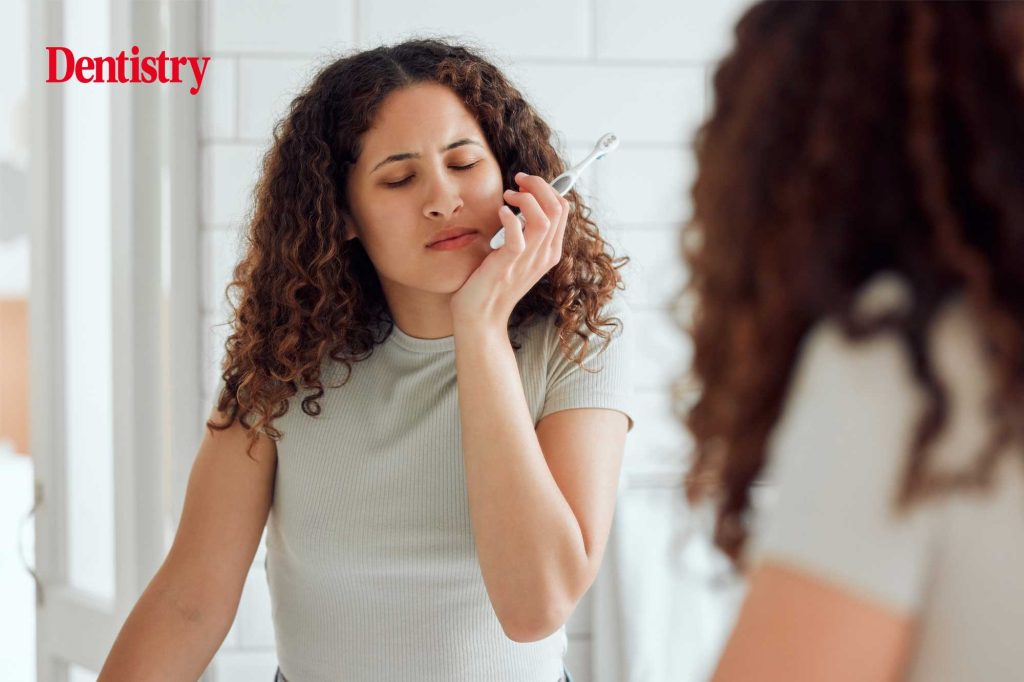
New research reveals how the dental access crisis is pushing women across the country to ‘breaking point’.
Many reported sacrificing their own dental visits to pay for private care for loved ones in a survey of roughly 1,000 women. Some also said they were self-medicating with temporary fillings purchased online or over-the-counter remedies, often taking overdoses of painkillers to manage oral pain.
The survey also revealed that some of the women had been forced to go to A&E for dental complaints such as severe infections due to lack of preventive care.
Respondents had travelled more than 250 miles across the UK and taken trips abroad to access affordable dental care. Some had also taken loans, used credit cards and even downsized their homes to afford dental care.
The women also described the impact on their children, as some were unable to access dental care during pregnancy or find a dentist for their children.
‘Access problems often hit women hardest’
The survey was conducted as part of the Women’s Insitute’s Dental Health Matters campaign.
Jeryl Stone, chair of the National Federation of Women’s Institutes (NFWI), said: ‘Women up and down the country have been left at breaking point by the crisis in dental care. The hundreds of women who took part in our research have shared heart-breaking stories of personal sacrifice, and at the risk of personal health.
‘We at the Women’s Institute stand united in demanding a fair and accessible NHS dental healthcare system for every woman and their community – this requires urgent reform to NHS dental contracts and offering more training spaces for our dentists of the future. Dental health matters, and so do we.’
British Dental Association chair Eddie Crouch added: ‘The crisis in NHS dentistry is having a unique impact on women up and down the country. From pregnancy to menopause, as parents and as carers, access problems often hit women hardest.
‘This service can have a future, but only if ministers are willing to pick up the pace and keep their promises. Until then, patients – especially women – will continue to pay the price.’
How can women’s oral health be improved?
The Women’s Institute’s Dental Health Matters report demands action from the government in several key areas. These are:
- Address the gendered impact of the dental health crisis. The government must recognise that women are disproportionately affected by the dental health crisis, including the impact of pregnancy and menopause on dental health, and therefore ensure that women’s experiences are at the forefront of policy solutions to the crisis
- Reform NHS dental contracts. Reforms should fairly compensate professionals for complex cases and introduce incentives for dentists to work in underserved areas
- Increase the NHS dental workforce. In order to tackle the shortage of NHS dentists, the government should expand training programs and provide financial incentives to retain existing practitioners and attract new talent to NHS dentistry
- Make dental care affordable and accessible. This would prevent patients from enduring long journeys or delaying treatment until emergency care is needed.
Domestic abuse and women’s oral health
A recent literature review also found that domestic abuse had a significant negative impact on women’s oral health outcomes. Abuse victims may present with trauma to the mouth, poor oral hygiene habits and a higher rate of periodontal disease. The study also found women who have been abused are more likely to have severe financial limitations that keep them from accessing dental care.
Study author Yvonne Crichton said: ‘Access to dental care is further complicated by psychological stress and barriers such as social isolation, fear of retribution, and financial limitations.’
Yvonne suggested that dental therapists could play a crucial role in identifying and helping domestic abuse victims. She called for dental professionals to be trained to recognise signs of abuse such as facial injuries or oral symptoms of chronic stress like bruxism.
She said: ‘Dental therapists, through routine screenings and timely referrals, can play a pivotal role in identifying and supporting victims of domestic abuse.’
Follow Dentistry.co.uk on Instagram to keep up with all the latest dental news and trends.