

Released
29
October 2025
Webinar
Spit don’t rinse: managing a dysbiotic plaque biofilm
Speaker(s): Benjamin Tighe, Laura Bailey
Spit don’t rinse: managing a dysbiotic plaque biofilm
This webinar will discuss the challenges of managing fluoride availability in the salivary reservoir.
It will also explore the evidence to support the use of adjunctive mouthwash in the management of periodontal health.
Learning outcomes
- Outline the importance of effective biofilm removal and management in line with BSP S3 level guidance
- Demonstrate the strength of evidence to support the use of mouthwash as an adjunct to mechanical cleaning
- Identify the spit don’t rinse evidence for directive application.
Speaker: Benjamin Tighe
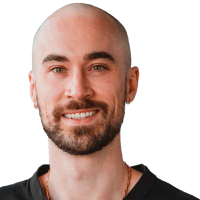
Benjamin Tighe is a tutor dental therapist at the prestigious Eastman Dental Hospital alongside working in private practice. Ben is a trainer for the Swiss Dental Academy and lectures across the UK on Guided Biofilm Therapy and has specific clinical interests in the treatment of peri-implant disease and the systemic effects of oral biofilm on the body. These clinical interests along with his enthusiasm for education inspired his Instagram persona @thegumsguy.Speaker: Laura Bailey
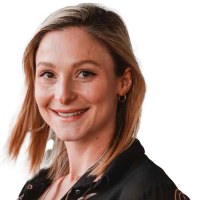
Laura Bailey graduated with a first class BSc (hons) degree as a dental therapist from Manchester University in 2013. Since, she has been working in private practice for 10 years in Richmond. Laura is a progressive therapist keen to develop her full scope of practice and has recently graduated with distinction from a PG Dip in restorative and aesthetic dentistry. She is passionate about the relationships she has with her patients and wants to inspire other therapists to take the plunge and do more of what they love. She has also grown a social media following of over 170k followers and educates them on all dental things.
Please login to receive a certificate
This Continuing Professional Development (CPD) activity fully complies with the CPD requirements of the General Dental Council. FMC certifies this activity for one hour of enhanced CPD in the subject of Spit don’t rinse: managing a dysbiotic plaque biofilm.
This CPD meets the criteria for the GDC’s development outcome C.

Stay updated with relevant information about this webinar