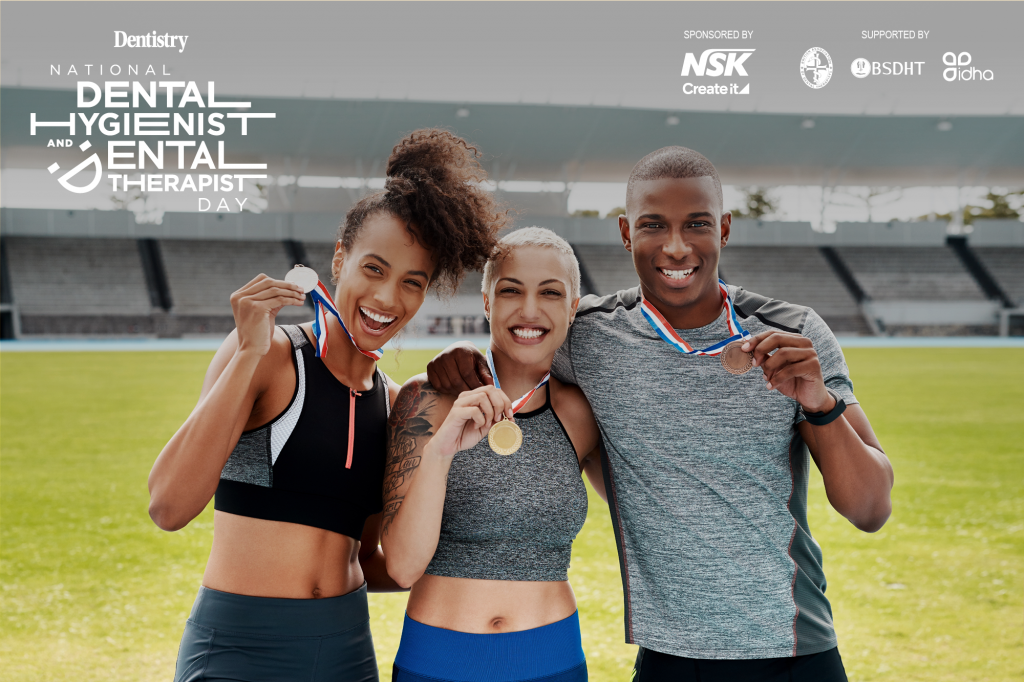
Dental sports therapist Imogen Johnson shares her path into the world of elite sport and athlete wellbeing.
Watching an elite athlete drive through the final seconds of a race, we’re drawn to the visible signs of effort, the power in their stride, the focus in their eyes, the determination etched across their face. What we rarely consider is that performance is supported by systems far less visible. Every part of the body contributes, including the mouth.
Oral health remains one of the most overlooked aspects of sport, yet its impact can be significant. Pain, infection, inflammation and dehydration associated with oral disease can all influence comfort, sleep, recovery and ultimately performance.
In high-performance environments, marginal losses matter and the mouth is not exempt from that equation.
Marginal gains
Working as a sports dental therapist has shown me how interconnected these systems truly are. Whether supporting elite competitors or dedicated amateurs, the goal is consistent: to ensure oral health supports performance rather than silently undermining it.
Prevention, education and timely intervention form the foundation, but the real work lies in embedding oral care into the broader performance framework. When it becomes part of the athlete’s overall health strategy, the benefits extend far beyond the dental chair.
Making the connection
My interest in sports dentistry began during my time studying in Bristol, where sport was woven into daily life. Living alongside friends training seriously, particularly in rowing, offered an honest view of the discipline and sacrifice required to compete.
I was struck by the precision of their nutrition plans, structured meticulously for fuel and recovery. Yet frequent carbohydrate intake, sports drinks and acidic supplements, while performance-driven, often posed challenges for oral health.
The disconnect was clear. Wanting to better support them led me to exploring sports dentistry, a dedicated field of dentistry focused on bridging that gap.
Discovering the MSc in sports dentistry at the Eastman Dental Institute marked a pivotal moment. Although it wasn’t immediately clear whether dental therapists could enrol, encouragement from a tutor and supportive conversations with Professor Peter Fine confirmed that I could undertake the full programme.
Beginning the MSc after completing my BSc felt like stepping into a space where dentistry and sport could genuinely intersect.
Applying the lessons
Midway through my studies, I attended the inaugural UK Sports Dentistry conference. Being surrounded by clinicians already embedded within sporting environments was energising. It reinforced that sports dentistry was not simply theoretical, it was practical, collaborative and growing.
Joining the committee soon after allowed me to contribute to that development while completing my postgraduate training, and by July 2025, I was able to apply that learning more actively in both clinical and athlete settings.
Working with athletes quickly teaches you that adaptability is essential. Training cycles, recovery sessions and competition schedules dictate daily life. Appointments are often evaluated through the lens of performance impact, and dental care can easily slip down the priority list.
Integrating oral health into an athlete’s existing system, rather than presenting it as an additional demand is key. The conversation shifts from ‘finding time for the dentist’ to understanding how oral health supports resilience, recovery and readiness to compete.
Food for thought
Nutrition presents similar challenges. Performance nutritionists design fuelling strategies for precise physiological outcomes and sweeping dietary changes are rarely realistic or appropriate.
Instead, the role of the dental professional becomes one of mitigation: understanding the cariogenic and erosive risks associated with sports drinks, gels and frequent carbohydrate exposure, and implementing preventive strategies that safeguard oral health without compromising performance goals.
A global shift
Much of my early work was grassroots, building relationships with local clubs in Cheltenham and supporting athletes alongside clinical practice, with valued support from NUYU Dental & Aesthetics Cheltenham.
In September 2025, at the UK Sports Dentistry Association conference, I presented a feasibility study that explored the oral health of ballet dancers, contributing to the growing conversation around aesthetic sports and oral health.
The response reinforced how much remains to be explored.
Soon afterwards came the opportunity to help establish the South African Sports Dentistry Association and support its inaugural conference. Engaging with clinicians and sporting professionals internationally was both humbling and inspiring. Despite differences in geography, the challenges were strikingly similar, prevention, education and integration remain universal themes.
Sports dentistry is not confined to one country; it reflects a global shift towards recognising oral health as integral to athlete wellbeing.
Looking ahead, working on the launch of the ANZ Sports Dentistry Association in Sydney represents another step in that evolution and what began as curiosity sparked in student accommodation has grown into international collaboration and the opportunity to help shape how oral health is viewed within sport across continents.
Peak performance
For hygienists and therapists considering this path, my advice is simple: do it!
The athletes already in your chair may have unique risk profiles linked to their training, nutrition and competition demands.
Preventive care, risk assessment and tailored education are areas where dental care professionals excel. Sports dentistry is still developing, and there is space both clinically and academically to contribute meaningfully.
In elite sport, fractions of a second matter. Marginal gains are pursued relentlessly. Ensuring that oral health supports rather than compromises performance may not always be visible from the sidelines, but its impact can be profound.
Read more from the National Dental Hygienist and Dental Therapist Day campaign:
- Educate and elevate dental hygiene with lifestyle medicine
- National Dental Hygienist and Dental Therapist Day countdown begins.
With thanks to our sponsor, NSK.
Follow Dentistry.co.uk on Instagram to keep up with all the latest dental news and trends.