
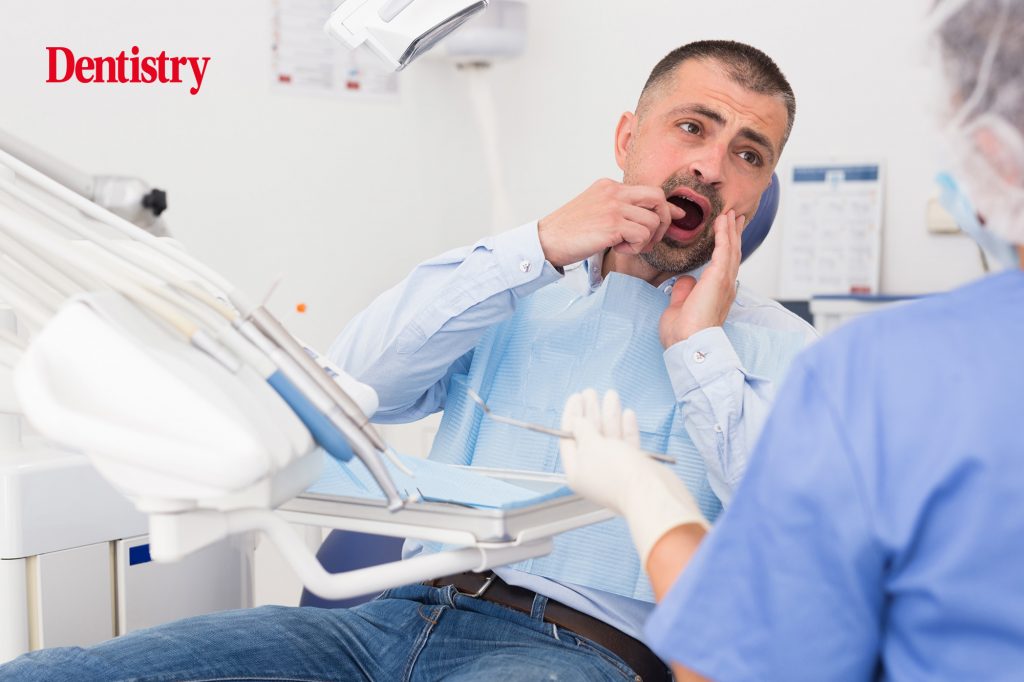
Six months ago, Bethany Rossington had never encountered a patient arriving with an AI-generated treatment plan. Now she finds that this ChatGPT dentistry is a weekly occurrence.
A search of social media shows the trend is accelerating across UK dental practices and raises questions for the profession. Namely, how do you handle a patient who arrives convinced that ChatGPT knows better than their clinician?
A framework that works
Dr Rossington, who practises in aesthetic medicine, has developed a practical consultation approach that other clinicians can learn from. Rather than challenging ChatGPT dentistry information head on, she starts from a position of curiosity.
‘I will always start the discussion by asking what they are looking to achieve and if they have come across anything they are particularly interested in or that they feel may benefit them,’ she says. ‘I will thank them for doing so much research and reassure them that it helps me when my patients are keen to understand their treatment better.’
From there she explains AI’s limitations without undermining the patient. ‘I will usually explain that AI is an incredible tool but draws information from many sources, some of which aren’t the most up to date or reliable meaning there can be errors. In particular I will stress that AI doesn’t always know what weighting to put on different risks or patient specific factors, meaning something important is ignored or something less relevant is exaggerated.’
When a patient remains unconvinced, Dr Rossington is clear about where the boundary lies. ‘If a patient really won’t listen to my advice I will gently say that trust is an essential part of the clinician/patient relationship and if they do not feel my judgement is sufficient, we won’t be able to progress with treatment.’
A profession underprepared
Beyond the consulting room, Dr Rossington has wider concerns about how equipped the profession is to handle this shift.
‘At present I don’t think the dental profession is fully prepared to manage the implications of AI-informed patients and there is a clear need for more structured guidance from regulatory bodies such as the GDC and professional organisations,’ she says.
Her concern about access is particularly pointed. ‘I anticipate this issue is likely to be amplified by ongoing difficulties in accessing NHS dental care. As access becomes more limited some patients may increasingly rely on AI tools for guidance.’
In a statement, the GDC said: ‘All patients come with different levels of knowledge, ideas, and expectations; however, the central principle remains clear: dental professionals are responsible for the care they provide, and the use of AI tools cannot detract from that professional responsibility. This is reflected in our Standards for the Dental Team, which set out that dental professionals must work in partnership with their patients and keep their best interests at the heart of every clinical decision.
‘As AI develops rapidly, we recognise the need for regulation to adapt to reflect this changing environment and have commissioned reviews of research into the use of AI in dental practice and in education to ensure that any future regulatory development has a strong evidential foundation.’
Where ChatGPT dentistry is heading
Despite her concerns, Dr Rossington is not dismissive about AI’s long term role. ‘I do believe that AI will reach a point where it can reliably inform aspects of dental treatment planning and this development is likely to occur sooner than we think.’
The caveat is important. ‘AI should enhance rather than replace clinical judgement, as treatment planning is complex and requires consideration of patient preferences, clinical experience and ethical reasoning which cannot be fully replicated by an algorithmic model.’
Follow Dentistry.co.uk on Instagram to keep up with all the latest dental news and trends.


