
A clinician’s guide to treatment planning with the Straumann iExcel modular implant system
A clinician’s guide to treatment planning with the Straumann iExcel modular implant system
Implant dentistry has never been simple. From the moment that Per-Ingvar Brånemark ushered osseointegration into the surgery, dental implant case planning has demanded an ability to balance anatomy, biology, biomechanics and restoration – typically simultaneously, and rarely under ideal conditions.
What’s changed in the more than 60 years since that breakthrough was made is not the inherent complexity of implant treatment itself, but the environment in which clinical decisions are now made.
Today’s implant surgeon operates in a landscape defined by breadth: broader indications, broader patient expectations, and a far broader array of tools with which to respond.

Single tooth replacements and full-arch rehabilitation sit alongside immediate placement protocols, delayed loading, compromised sites, peri-implant tissue challenges and increasingly nuanced aesthetic demands.
We now understand that bone is far from the only variable: ridge morphology, biotype, restorative space and occlusal risk (to name but a few) all exert pressure on treatment planning long before the torque wrench ever comes to hand.
Add to this an ageing population, greater patient awareness, and a profession more comfortable interrogating outcomes – and variability has become the norm rather than the exception.
Against that backdrop, predictability has arguably become harder to define for the untrained.
Implant selection is a layered choice, coloured by implant-abutment connection, restorative platform compatibility, emergence profile management and long-term prosthetic flexibility.
The risk for clinicians is therefore not a lack of options, but the opposite: navigating a complex ecosystem of components, protocols and platforms while still delivering treatment that is repeatable, understandable and defensible – both clinically and ethically.
Enter modularity: not as a cheat but as a framework for managing complexity.
Modular implant systems promise something increasingly valuable in modern practice: the ability to adapt to diverse anatomies and indications while retaining familiarity in handling, restorative logic and component integration.
When done well, modularity allows clinicians to ‘mix and match’ within a coherent system, aligning implant design, connection geometry and prosthetic workflow to the needs of the patient, without relearning the system each time.
In a profession that rightly demands confidence and predictability, the question isn’t whether implant dentistry is complex: it was always thus.
The more pressing question is whether the systems that support clinicians are doing enough to help them cut through that complexity – and keep decision-making focused where it belongs: on the patient in front of them, not the catalogue behind them.
Guy Hiscott, FMC content director
Modularity in contemporary implant dentistry
Written by implant dentist Dr Jose Cordero Bayo
Key considerations that influence implant selection and clinical outcomes
Contemporary implant selection should be guided by an integrated assessment of biological, prosthetic, and patient-specific factors rather than by familiarity with a particular system. Bone quality and morphology remain fundamental determinants. Sites with reduced density or limited volume require careful consideration of implant macro-design, surface characteristics, and insertion protocols to achieve predictable primary stability and long-term integration.¹
From a restorative perspective, implant positioning must support a physiologically appropriate emergence profile and prosthetic envelope. Three-dimensional misalignment between implant position and restorative contours may compromise soft tissue health, plaque control, and long-term maintainability, particularly in aesthetic areas.²
Soft tissue behaviour is closely related to peri-implant mucosal thickness, implant–abutment configuration, and restorative margin position. Systematic reviews and clinical studies suggest that increased soft tissue thickness and platform switching may contribute to reduced early marginal bone loss.³⁻⁵ This is particularly relevant in patients with thin tissue phenotypes.
Workflow integration is increasingly important in digitally driven practices. The availability of validated scan bodies and CAD/CAM libraries supports prosthetic accuracy from planning through to final restoration. Systems such as Straumann iEXCEL provide integrated digital resources that can facilitate structured workflows without altering the biological principles guiding treatment planning.
Finally, patient-related factors including occlusal loading, parafunctional habits, medical history, and aesthetic expectations must inform implant selection. Predictable outcomes are achieved when biological, prosthetic, and patient-centred considerations are synthesised.
Why ‘one-size-fits-all’ systems are losing relevance
Historically, many implant systems were developed around limited component ranges intended to address most clinical scenarios. While operationally convenient, this approach often required clinicians to adapt treatment strategies to system constraints.
Modern implant dentistry increasingly recognises that anatomical variability, tissue dynamics, and prosthetic demands cannot be reliably addressed through uniform designs. Restricted options in diameter, connection type, or prosthetic components may necessitate biological compromise, particularly in narrow ridges or thin phenotypes.²
The widespread adoption of three-dimensional planning and digital workflows has further highlighted the need for adaptable systems. Accurate transfer of virtual plans into clinical reality depends on compatible surgical and restorative components, supported by validated digital libraries.⁶
In addition, evidence supporting immediate placement and immediate loading in selected cases has increased expectations for structured provisionalisation pathways.⁷,⁸ These protocols require systems capable of supporting staged tissue conditioning and prosthetic refinement.
As implant dentistry evolves towards personalised, evidence-informed care, clinicians increasingly favour systems that support flexible clinical decision-making rather than rigid standardisation.
Modularity in implant dentistry: a neutral definition
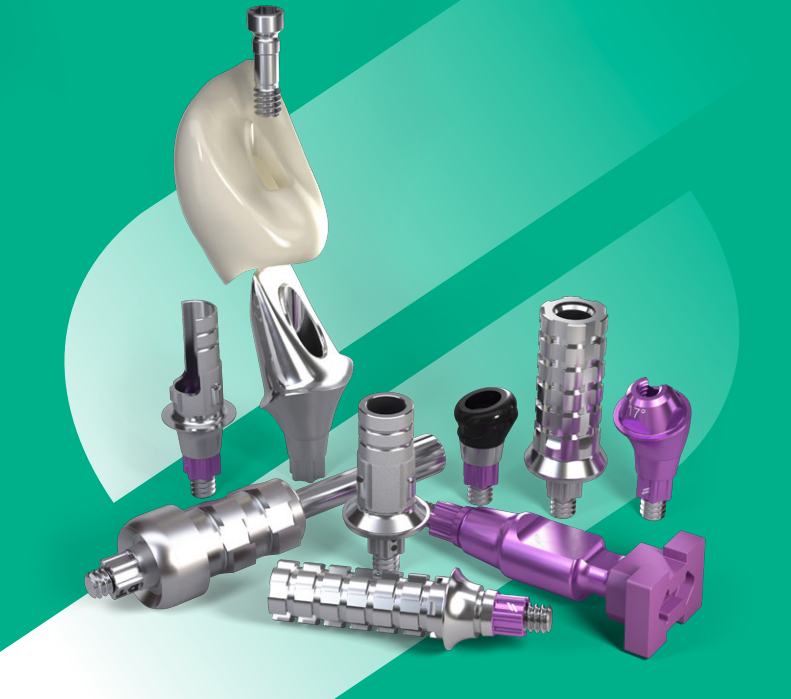
Modularity in implant dentistry describes the structured use of interchangeable surgical and prosthetic components within a unified system, allowing treatment protocols to be adapted to specific clinical requirements.
A modular framework typically includes multiple implant geometries and dimensions, combined with a comprehensive range of abutments, prosthetic interfaces, and restorative accessories designed to function cohesively.
Effective modularity is characterised by consistency in manufacturing tolerances, connection stability, and biological performance. Flexibility is introduced through validated component options rather than uncontrolled variability.
From a clinical perspective, modular systems support restorative-driven planning, facilitate digital integration, and allow staged adaptation throughout treatment. Provisional and definitive components may differ, reflecting changes in tissue maturation and functional demands.
Systems such as Straumann iEXCEL exemplify this approach through a unified prosthetic connection and integrated digital workflow resources. This provides structural compatibility across indications while maintaining the need for evidence-based clinical decision-making.


How Straumann iEXCEL supports implant treatment
The iEXCEL system is Straumann’s next-generation implant platform, designed to simplify implant dentistry while providing clinicians with the flexibility to treat a broad spectrum of clinical indications.
Rather than requiring the clinician to select between multiple implant systems for different case types, iEXCEL brings together Straumann’s proven implant designs into a single, integrated platform with a unified restorative workflow.
The aim is to increase treatment efficiency, improve clinical predictability and simplify inventory management without compromising treatment options.
Implant designs: a modular approach
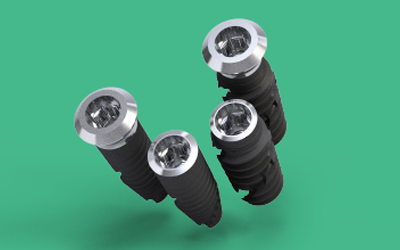
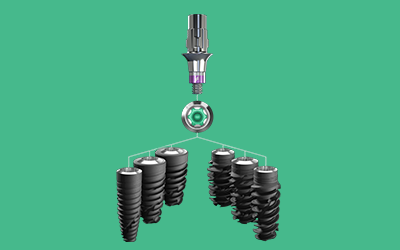
At the core of the iEXCEL system are four implant designs – TLX, BLX, BLC and TLC – which allow clinicians to select the most appropriate implant for each clinical situation while maintaining a consistent prosthetic and surgical workflow.
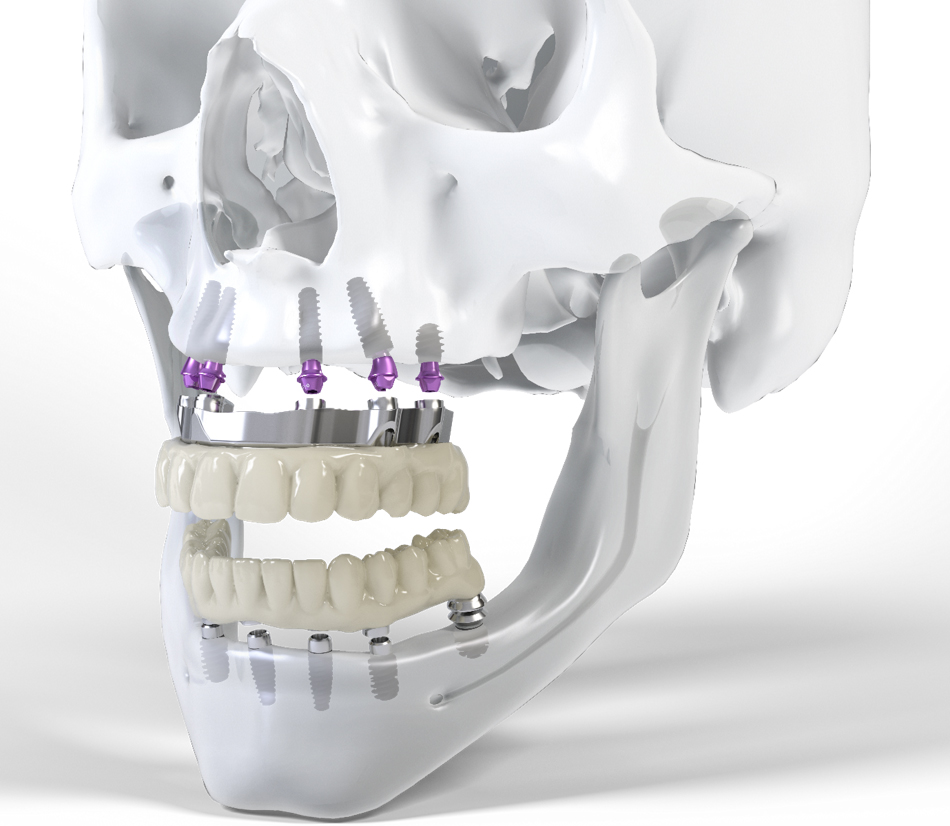
This modular approach enables clinicians to treat everything from straightforward single-tooth restorations to immediate implant placement, full-arch rehabilitation, soft bone, dense bone and complex aesthetic cases using a common restorative platform with the Torque fit connection.
A key advantage of the system is its simplified design philosophy. The implants share a unified prosthetic connection across compatible diameters, reducing the number of restorative components required and making treatment planning, ordering and inventory management considerably easier.
For clinicians and their teams, this means greater efficiency, reduced complexity and increased confidence throughout both surgical and restorative workflows.
Optimised primary stability and long-term success
The iEXCEL system incorporates several advanced design features to optimise primary stability and long-term success. Depending on the implant selected, features include:
- Aggressive thread designs for enhanced initial stability
- Tapered implant bodies for predictable placement in a variety of bone qualities
- Optimised cutting geometry to support immediate protocols where appropriate.
The platform is also fully compatible with Straumann’s digital ecosystem, allowing integration with guided surgery, intraoral scanning, digital treatment planning and CAD/CAM restorative workflows.
An important component of the platform is Roxolid, Straumann’s proprietary titanium-zirconium alloy. Roxolid provides higher mechanical strength than conventional commercially pure titanium while maintaining excellent biocompatibility.
This enables clinicians to consider reduced-diameter implants in suitable cases without compromising mechanical performance, helping preserve surrounding bone and soft tissue where space is limited.
iEXCEL implants are also available with SLActive, Straumann’s hydrophilic implant surface technology. SLActive enhances early blood wetting and promotes faster osseointegration compared with conventional implant surfaces. This supports shorter healing protocols and can provide greater confidence when treating challenging patients or cases where accelerated healing is desirable.
Another strength of the platform is its component compatibility. By standardising restorative connections and instruments across much of the system, clinicians can move between implant designs without learning entirely new workflows. This not only simplifies training but also reduces inventory requirements and improves practice efficiency.
Clinical evidence and studies
Straumann implant systems have one of the strongest bodies of long-term clinical evidence in implant dentistry.
Published clinical studies have consistently demonstrated survival rates exceeding 95-98% over 10 years, with many studies reporting success rates above 98% under appropriate clinical conditions. These outcomes are supported by extensive research, long-term follow-up data and millions of implants placed worldwide.
Clinical indications
The Straumann iEXCEL system is indicated for a wide range of clinical situations, including:
- Single-tooth replacement
- Partially and fully edentulous patients
- Immediate implant placement and loading protocols (where clinically appropriate)
- Guided surgery
- Aesthetic restorations and full-arch rehabilitation.
Its flexibility allows you to tailor treatment to individual patient needs while benefiting from a simplified, integrated and highly predictable implant system.
Clinical cases: modularity in contemporary implant dentistry
Case example: aesthetic single incisor replacement
A 41-year-old patient presented with a non-restorable maxillary lateral incisor following boxing trauma. The primary objective was to achieve stable peri-implant tissues and natural aesthetic integration within the anterior zone
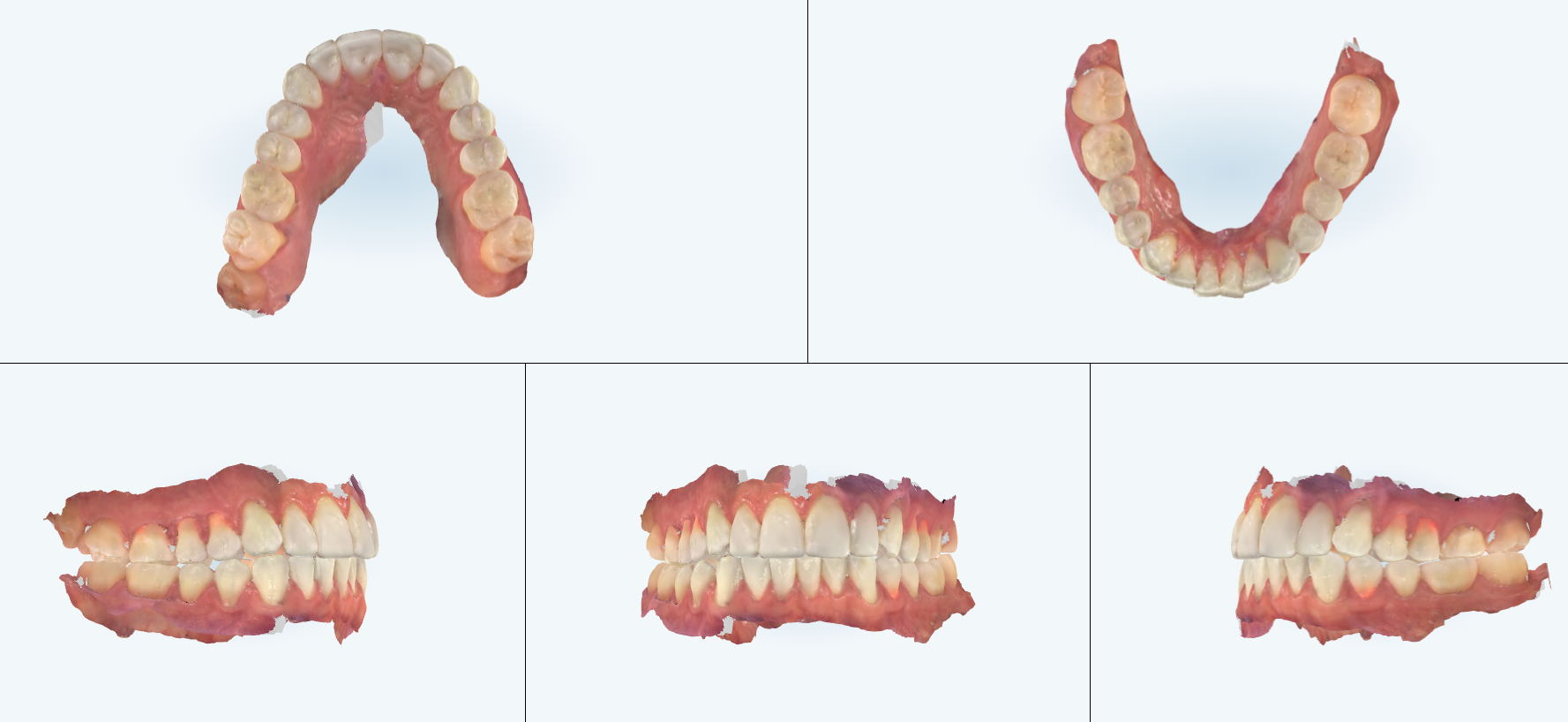
CBCT and intraoral scanning were used to determine the ideal restorative-driven implant position following extraction. A BLC SLActive 3.75 × 12mm Straumann implant was placed according to a prosthetically guided protocol.
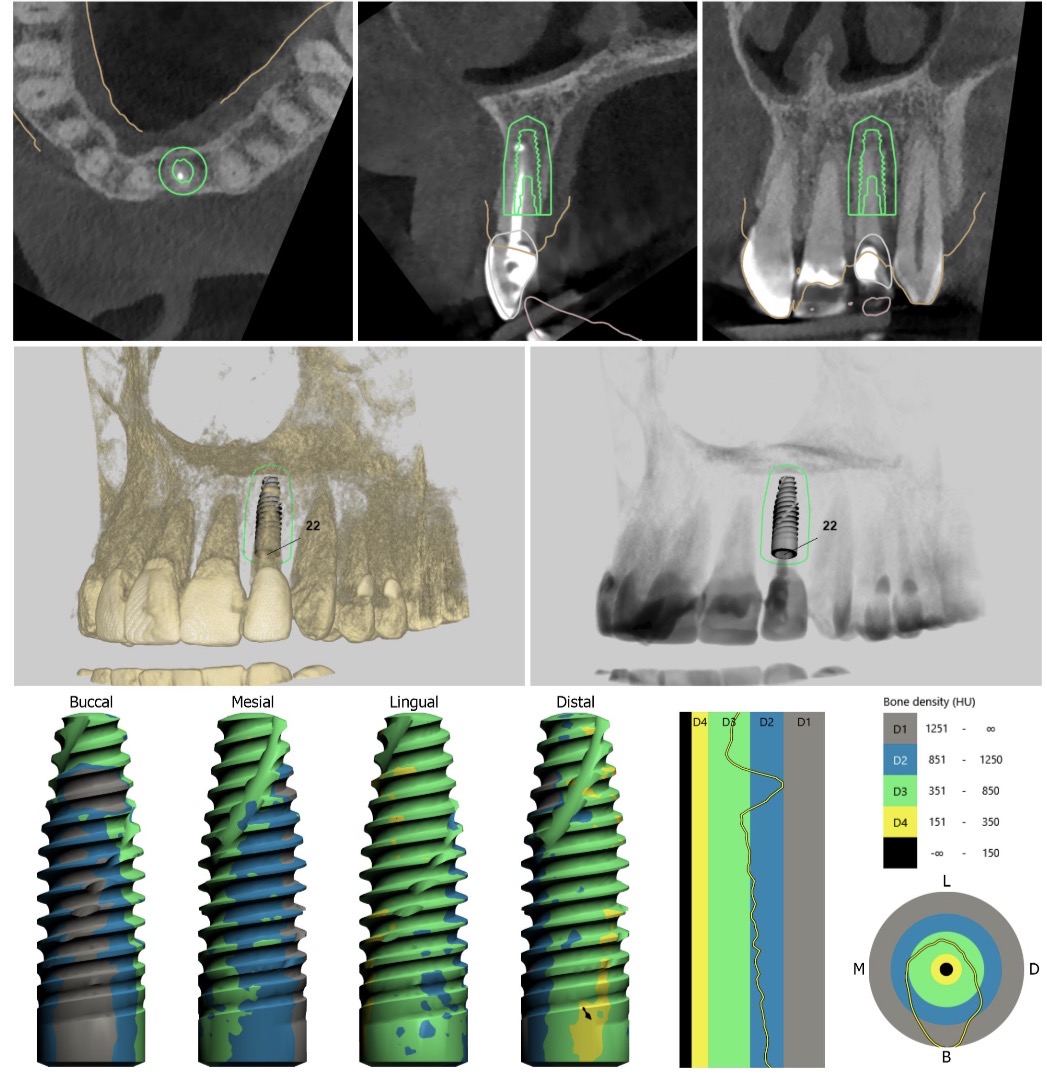
A narrow, platform-switched configuration was selected to support buccal bone preservation and optimise soft tissue stability. Immediate placement with provisionalisation was performed to maintain gingival architecture and papillary support. Soft tissue augmentation was undertaken to increase mucosal thickness and improve long-term tissue predictability.
The modular workflow enabled a controlled transition from provisional to definitive restoration, supporting soft tissue maturation and aesthetic integration.
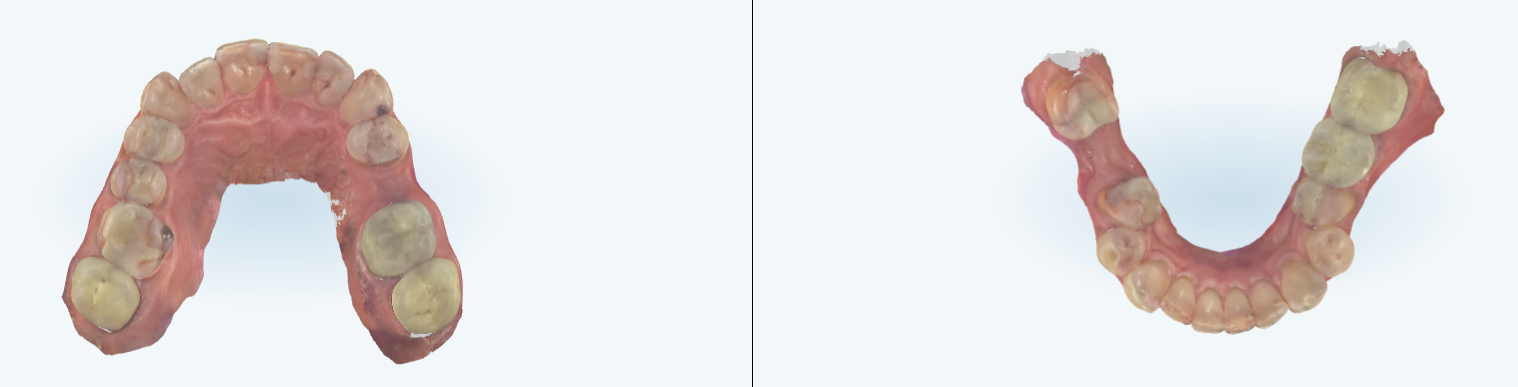
Case example: posterior narrow ridge rehabilitation
A 65-year-old patient presented with a missing maxillary second premolar and reduced ridge width following a previous failed premolar.
Conventional implant placement would have required cervical bone augmentation; however, the patient declined augmentation. The contralateral dentition exhibited relatively broad coronal morphology, increasing restorative demands.
CBCT analysis confirmed insufficient ridge width for placement of a wider-diameter implant without augmentation. A 3.75 × 10mm BLC SLActive Straumann implant was selected to allow placement within the existing ridge envelope.
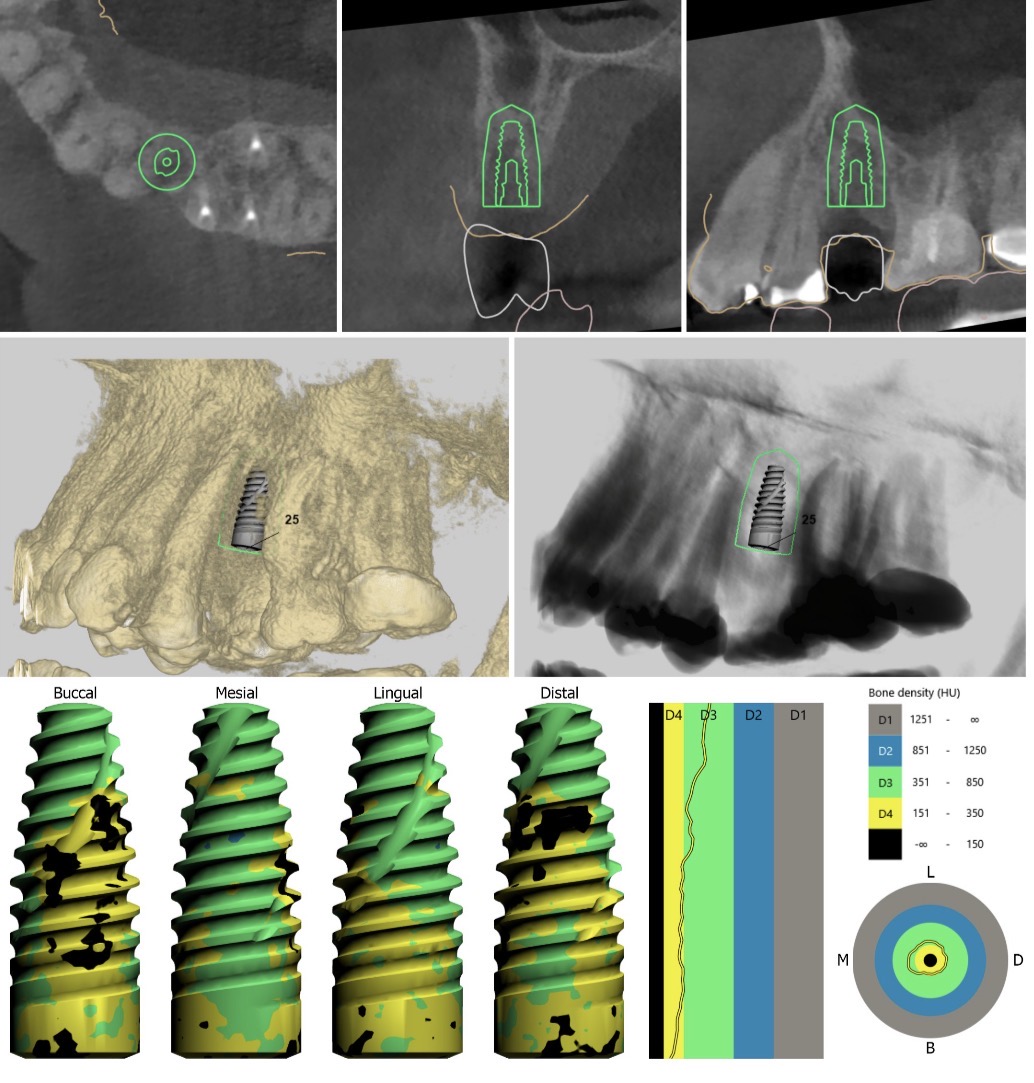
Digital planning optimised three-dimensional positioning in relation to adjacent teeth and occlusal load distribution. The restoration was designed to harmonise with the width of the remaining dentition. A screw-retained approach was chosen to enhance retrievability and long-term maintenance.
Osseointegration progressed uneventfully, allowing restoration within the existing ridge dimensions. The modular approach enabled conservative management without compromising biological or mechanical principles.
How modular systems support diverse treatment protocols
Immediate and delayed protocols
Immediate placement and loading depend on achieving adequate primary stability, controlled provisionalisation, and predictable prosthetic interfaces. Systematic reviews demonstrate favourable survival and aesthetic outcomes when appropriate case selection and restorative planning are applied.⁷,⁸ Modular systems may facilitate these workflows by supporting compatible provisional components and prosthetic continuity.
Narrow, standard, and wide indications
Anatomical constraints frequently necessitate narrow-diameter implants, particularly in resorbed ridges. Conversely, posterior regions may require wider platforms to manage occlusal load. Modularity enables dimensional selection while preserving restorative compatibility.
Aesthetic zone requirements
Aesthetic rehabilitation requires precise management of soft tissue contours, marginal stability, and restorative materials. Evidence supports the relevance of soft tissue thickness and platform switching in reducing early marginal bone loss.³⁻⁵ These factors should be integrated into restorative-driven planning.
Prosthetic versatility
Contemporary rehabilitation may involve screw-retained, cement-retained, or hybrid restorations. Modular systems facilitate these approaches through compatible angled abutments, multi-unit options, and validated digital libraries, supporting both analogue and digital workflows.
Conclusion
Modern implant dentistry requires structured flexibility supported by sound biological principles, restorative-driven planning, and validated digital workflows.
Evidence from the last decade supports the relevance of peri-implant phenotype, platform switching, and carefully selected immediate protocols.
Modular systems provide a framework for adapting treatment to individual clinical demands while maintaining predictability and consistency.
References
- 1. Albrektsson T, et al (2014) Marginal bone loss around oral implants: A systematic review. Clin Implant Dent Relat Res 16: 1-11
- 2. Buser D, et al (2014) Optimizing esthetics for implant restorations in the anterior maxilla. Periodontol 2000 66: 219-238
- 3. Linkevicius T, et al (2015) Influence of soft tissue thickness on crestal bone changes. Clin Oral Implants Res 26: 1-6
- 4. Lin GH, Chan HL, Wang HL (2013) The significance of keratinized mucosa on implant health. J Periodontol 84: 1755-1767
- 5. Canullo L, et al (2014) Platform switching and marginal bone-level alterations. Int J Oral Maxillofac Implants 29: 564-571
- 6. Rutkūnas V, et al (2017) Accuracy of digital implant impressions. J Prosthet Dent 117: 713-724
- 7. Chen ST, Buser D (2014) Esthetic outcomes following immediate implants. Int J Oral Maxillofac Implants 29(Suppl): 186-215
- 8. Wittneben JG, et al (2015) Immediate loading in the aesthetic zone. Clin Oral Implants Res 26: 133-145
Stay updated with relevant information about this webinar