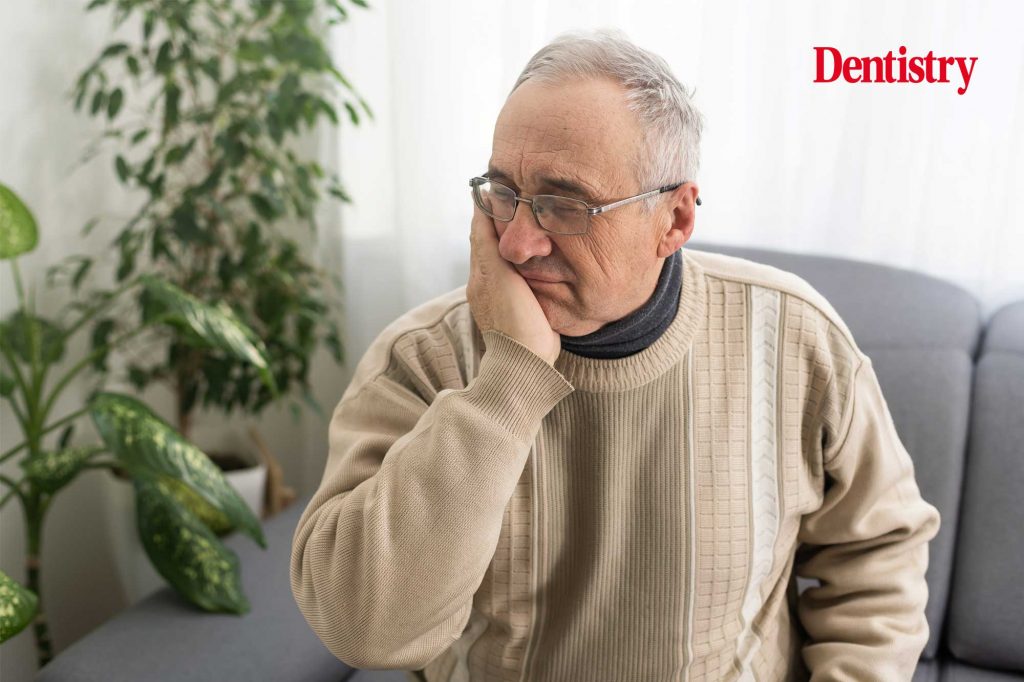
Having a greater number of missing or decayed teeth has been linked to a shorter life expectancy in a new study.
Researchers from the University of Osaka, Japan found that those with more decayed or missing teeth had a greater risk of earlier death by all causes.
Sound teeth and those that had been filled by a dentist were equally associated with a lower mortality risk.
The authors of the study suggest that decayed teeth may shorten life expectancy due to functional impairment or chronic inflammation.
However, they also acknowledge that other factors could affect the association. For example, low socioeconomic background might lead to both poorer dental health and a shortened life expectancy.
To reach these findings, the University of Osaka team analysed the health and dental records of more than 190,000 adults aged 75 and over. The study was published in BMC Oral Health.
What other impacts can poor oral health have in later life?
Another study from Science Tokyo recently found that poor oral health can increase dementia risk through both biological and social mechanisms.
For example, increased inflammatory molecules and oral bacteria might affect the brain and immune system, priming the body for dementia
Common oral health problems that occur in old age such as tooth loss, jaw weakness and dry mouth were also found to exacerbate social symptoms of dementia like speech loss. This could contribute to neurodegeneration.
Professor Jun Aida from Science Tokyo said: ‘These functions have a social aspect that facilitates interpersonal interactions and can reduce social isolation. When we consider the multilayered direct and indirect mechanisms leading to dementia throughout life, we find that poor oral health possibly increases the risk of dementia through social isolation via eating and speaking problems.’
Featured in the Journal of Dental Research, the study concluded that poor oral health can have wider ramifications that affect the whole body.
Professor Aida added: ‘Oral health affects not only the teeth and mouth, but also broader aspects of health, including brain function, nutritional status, and social engagement.’
Follow Dentistry.co.uk on Instagram to keep up with all the latest dental news and trends.