Aligner Dental Academy shares some guidelines for successful interproximal reduction (IPR) for clear aligner patients.
Many of us will feel a sense of dread when we open our patient’s treatment plan and realise there is 0.5mm interproximal reduction (IPR) to do on multiple teeth on that first appointment!
However, as much as it can be a pain, IPR is a mechanism that delivers space, aligns crowded teeth, and refines tooth proportions predictably and safely.
This article explores the clinical rationale, planning, and execution of IPR, highlighting its crucial role in achieving precise, predictable outcomes in aligner-based treatment.
And by the end, we can turn that sense of dread into one of calm!
What is IPR?
Interproximal reduction (IPR) involves removing small, precise amounts of enamel between selected teeth, typically 0.2mm to 0.5mm per contact, to create space for alignment and improve tooth proportions. When properly performed, it is a safe, effective, and conservative approach to managing mild to moderate crowding, enhancing aesthetics, and promoting long-term stability.
Why use IPR?
IPR offers several clinical advantages:
- Creation of space to relieve crowding and potentially avoid extractions
- Reshaping of triangular teeth to manage or reduce black triangles
- Adjustment of tooth size discrepancies (TSDs) to enhance symmetry and aesthetics
- Improvement of contact points, which may contribute to long-term stability.
Where to perform IPR
The location of planned IPR depends on several factors:
- Space requirements based on the severity of crowding (mild, moderate, severe)
- Anteroposterior (AP) correction, such as improving canine relationships
- Overjet management:
- In Class II cases, upper arch IPR can aid upper incisor retraction and reduce overjet
- In Class III cases, lower arch IPR can facilitate lower incisor retraction
- Note: Apply this guideline with consideration of individual skeletal, dental, and aesthetic factors
- Black triangles occur when the gingival papilla does not fill the interproximal space completely. Black triangles can be reduced by improving contact points through IPR or composite bonding. Tarnow’s Law helps guide decision-making here, when the distance from bone to contact point is ≤5mm, the papilla fills the space in 98% of cases, but this drops to 56% at 6mm and 27% at 7mm
- IPR doesn’t need to span the full height of the tooth; it targets specific areas to maintain natural tooth shape. Barrel-shaped incisors may require more apically placed IPR for a natural finish
- IPR of maximum 0.3mm per contact in the anterior region and up to 0.5 mm in the posterior region is often sufficient for space creation and alignment.
When to perform IPR
- Review the digital setup to ensure IPR is planned at a stage when teeth are sufficiently aligned to allow proper access and perform IPR accurately
- IPR can be performed incrementally throughout treatment, but it should be completed at the aligner stage, where it is scheduled in the digital treatment plan
- All planned IPR must be completed by the designated aligner stage – it directly affects space availability for intended tooth movements. Failure to perform the prescribed IPR may lead to loss of tracking.
Performing IPR
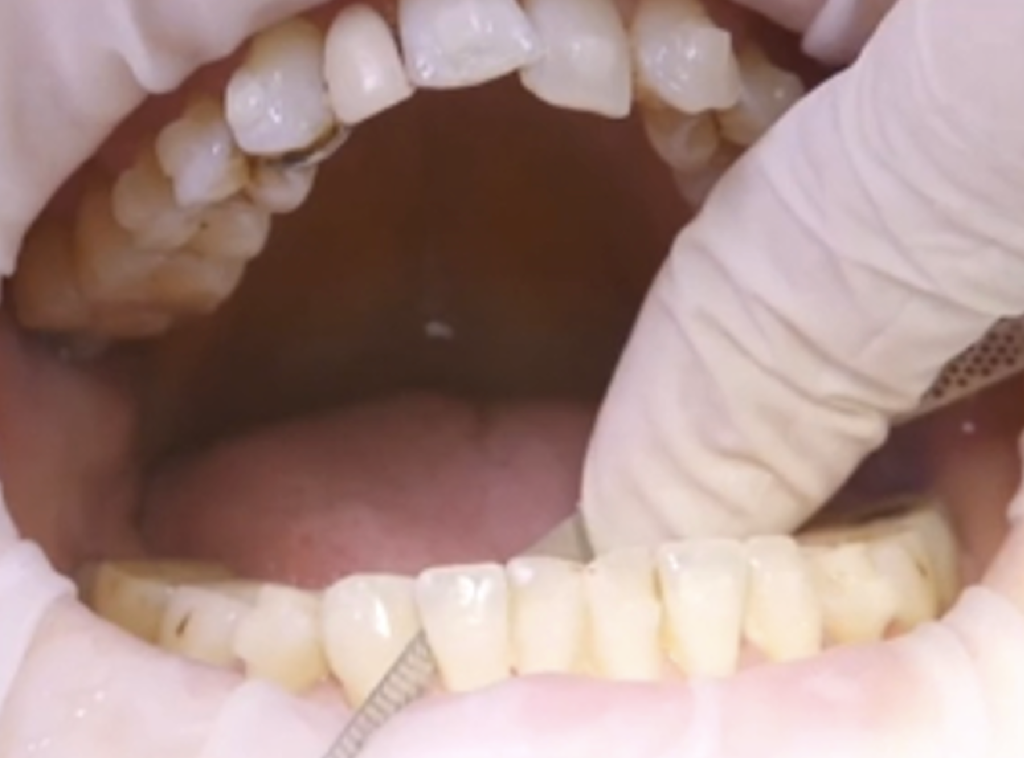
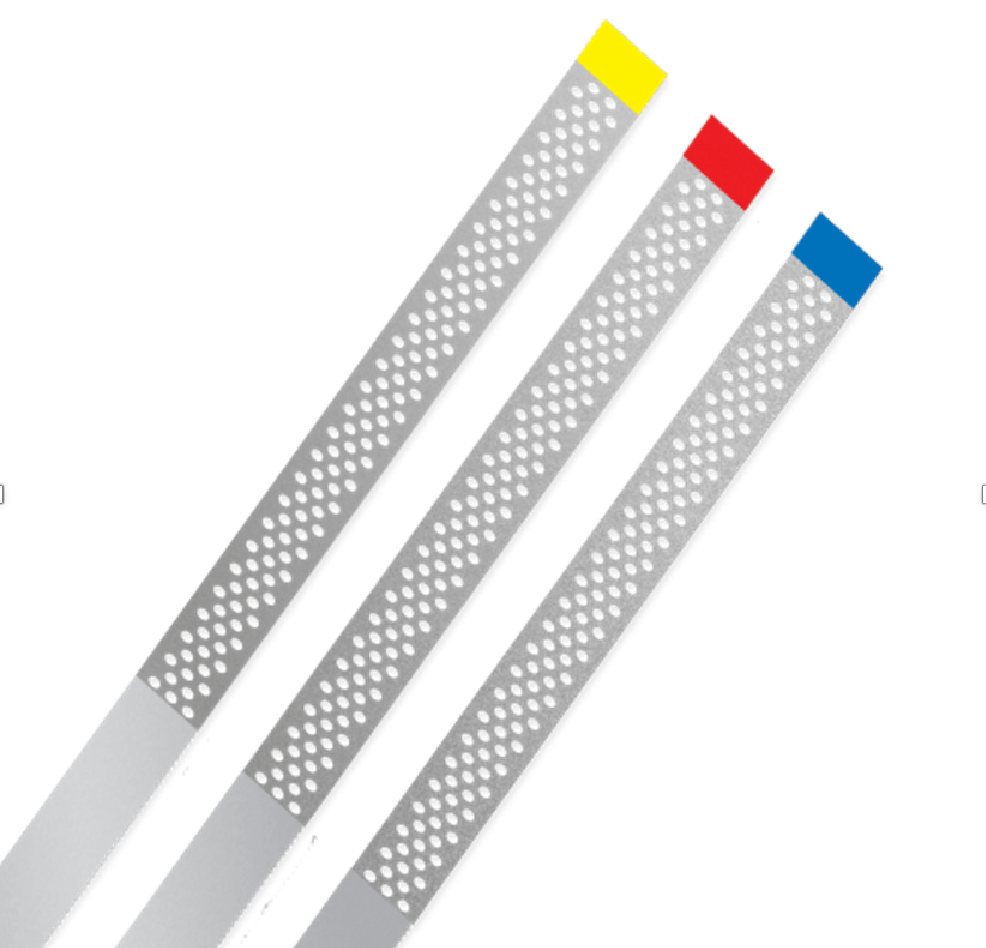
- Manual strips: IPR strips are typically available in three sizes and come in single- or double-sided versions. Always verify exact thicknesses with your supplier
- Yellow: 0.08mm Thickness
- Red: 0.1mm
- Blue: 0.14mm
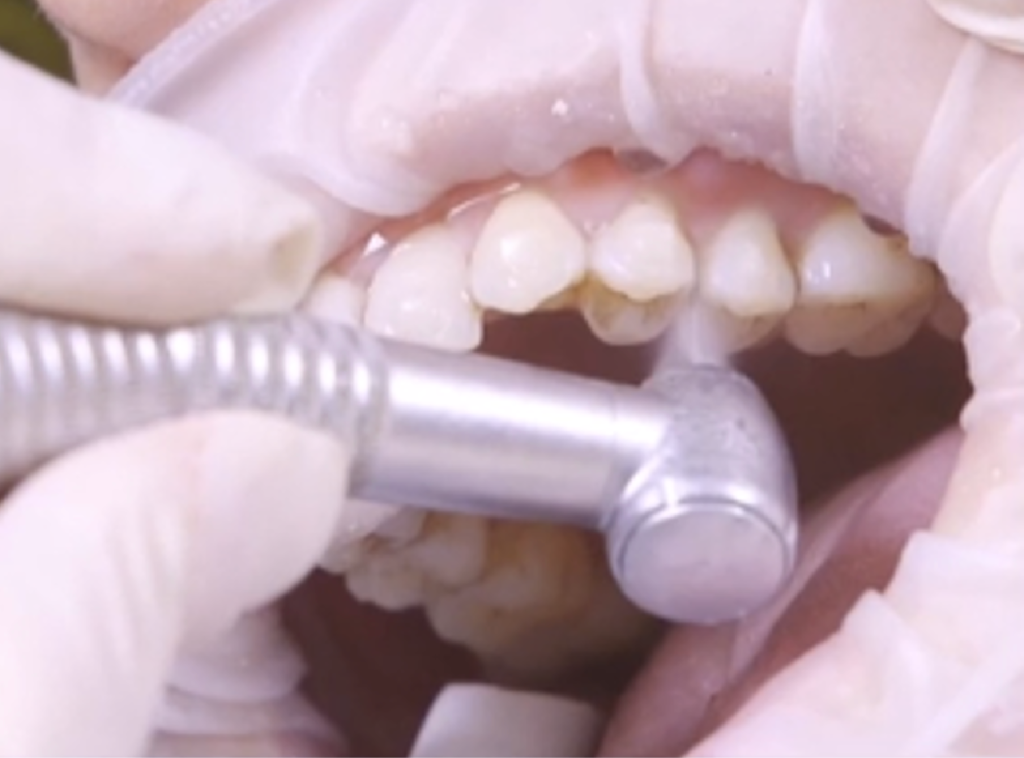
- Burs: Ideal for reductions of 0.3mm or more, especially distal to canines
- Always follow with polishing using strips
- Use plenty of water to prevent damaging the diamond surface
- Avoid old/worn burs – they can remove too much enamel unpredictably.
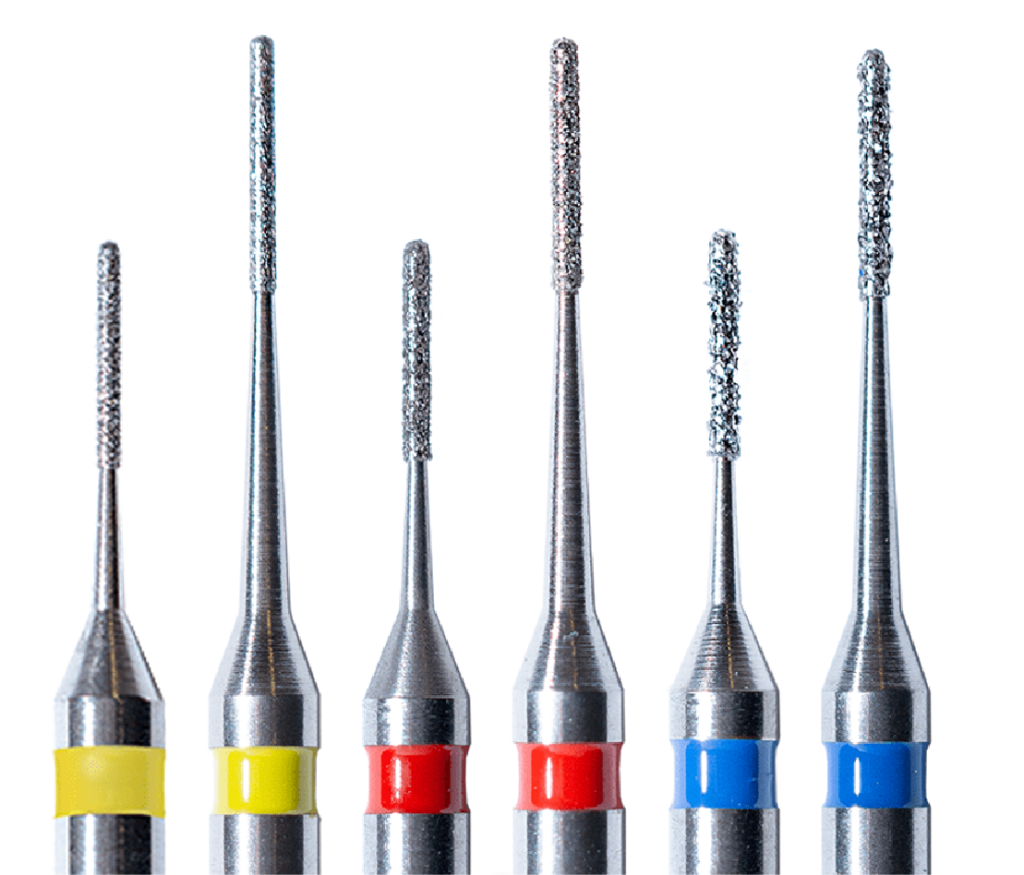
You can obtain all IPR products from Aligner Dental Academy’s marketplace.
Research shows that mechanically reduced enamel surfaces can remineralise and remain resistant to caries, with no long-term increase in decay, sensitivity, or periodontal issues, provided the patient has low caries risk and a proper IPR protocol is followed. Without structured planning, anatomical reduction, and polishing, these benefits may not apply, and clinical complications may arise.
Hands-on workshop on IPR
Aligner Dental Academy offers comprehensive hands-on training for dentists aiming to master IPR.
The workshop includes digital IPR planning, hands-on IPR, attachments, managing black triangles, enameloplasty, case finishing, retention, Smile Architect planning, and elastics use.
Conclusion
IPR is more than just enamel reduction, it is a precise technique that, when applied with clinical insight and careful planning, enables effective outcomes in aligner therapy. Mastering IPR is an essential skill for the modern dentist practising at the intersection of function and aesthetics.
This article is sponsored by Aligner Dental Academy.