
Dentistry|Products
Rethinking shade selection in modern restorative dentistry
Last updated: 20th July 2026

Contents
Could shade matching be simpler than ever? This article uncovers why shade selection remains one of the biggest challenges in restorative dentistry – and how advances in digital workflows and simplified restorative systems may finally be making the process easier, more predictable and more efficient for clinicians.
Sometimes it’s getting the patient to say ‘yes’ to life-changing treatment, or it may be crafting the perfect tooth shape. For many, shade selection is the most challenging stage when crafting a perfect restoration (Hardan et al, 2022).
Perception depends on a light source, the object and the detector, which could be the human eye or new pieces of technology (Adebayo et al, 2022).
Understanding what can affect the shade matching process, and how modern solutions optimise restorative routines for more predictable, successful outcomes, is key for every dental professional. It can lead to greater confidence in their workflows, and seamless restorations that blend into their patients’ existing smiles.
‘What if the most optimal change, which would lead to enhanced aesthetics while balancing treatment efficiency and cost, lies in the restoratives used?’
Can we trust our eyes?
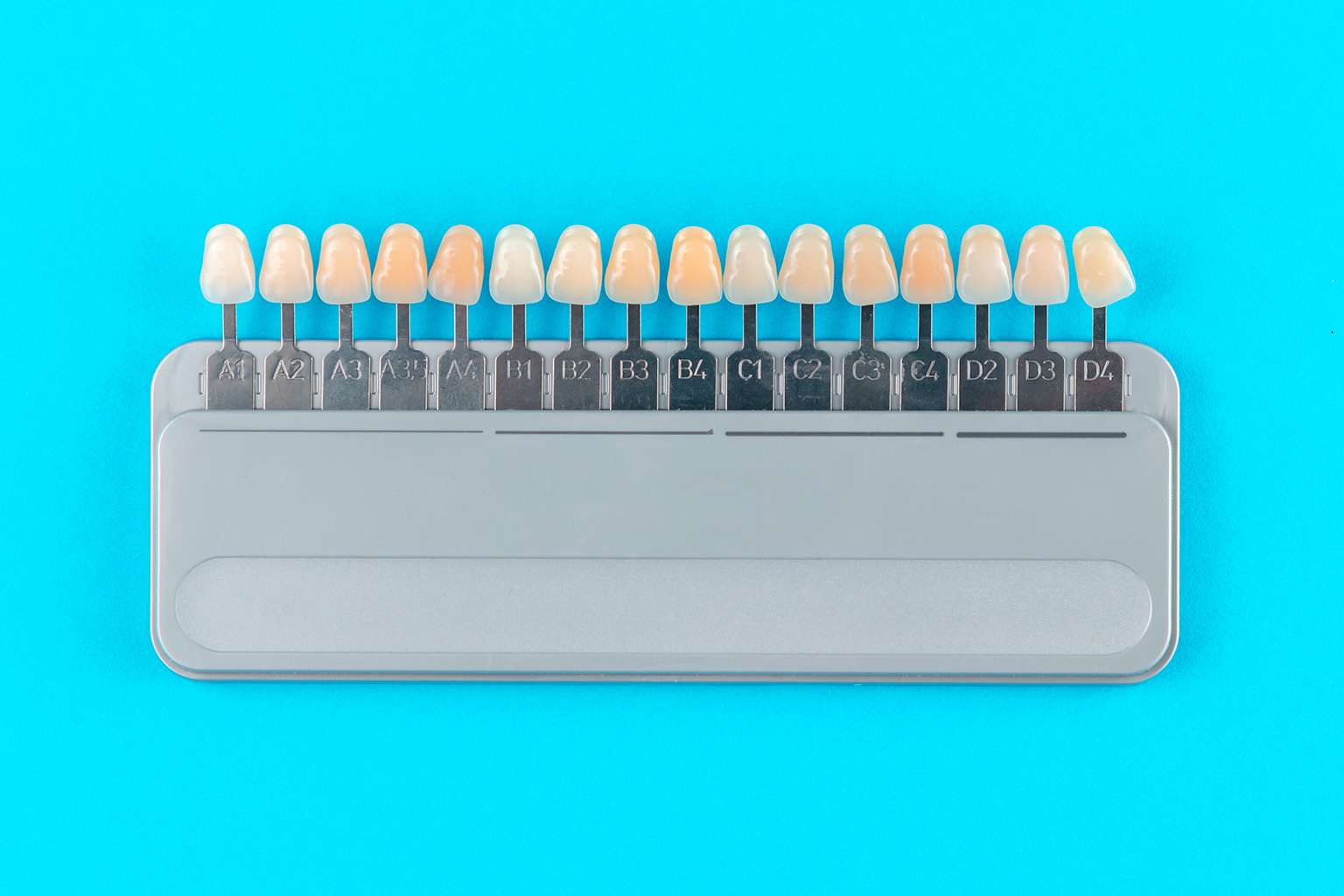
Shade matching for dental restorations has traditionally been completed with the naked eye, but this is a subjective process. It is therefore up to the clinician’s eyesight, past training, and lighting conditions within the practice when making an appropriate decision.
Complications can include colour vision problems or colour blindness, the changing of eyesight in tandem with ageing, fatigue, the influence of medications, binocular difference (the contrast of visual quality between the left and right eye), and the backgrounds or surroundings of a tooth influencing perception (Alayed et al, 2021).
To mitigate issues with the last complication, patients are often advised to not wear makeup or colourful eyewear, and a grey background is typically preferred.
Achieving accurate shade selection
Between clinicians, accurate shade selection can vary greatly. One study brought together a dental surgery technician, a specialist restorative dentist and a dental surgery intern to assess 26 teeth across 24 patients, comparing their assessments for shade selection. The VITA classical shade guide was used.
It found that inter-examiner reliability was very low for conventional shade selection, with all three professionals agreeing on a tooth shade unanimously on just one occasion – and there was complete disagreement in 42.3% of cases (Adebayo et al, 2022).
This isn’t an indictment on clinicians being inaccurate; rather, it displays the clear subjectivity of the process. Minimising this effect can lead to a more predictable, uniform aesthetic outcome that best suits a patient.
It’s therefore important to understand how modern solutions have changed the shade selection routine to achieve this.
When shade selection went digital
Modern shade selection routines may include contact-based instruments and non-proximity devices to aid the process. The former includes spectrophotometers and colorimeters, which are thought to be a gold standard in some approaches to care (Rashid, Farook and Dudley, 2023).
A 2024 study compared the use of dental guides to a spectrophotometer for shade selection and found a reduced variance with the digital solution, creating more reliable and reproducible results (Alvarado-Lorenzo et al, 2024).
‘What if the most optimal change, which would lead to enhanced aesthetics while balancing treatment efficiency and cost, lies in the restoratives used?’
Non-proximity devices will include professional digital cameras, intraoral cameras, and smartphone cameras. They have been found to produce more reliable clinical outcomes due to shade-matching results than conventional shade selection methods, but this is notable in that this is under controlled environments (Rashid, Farook and Dudley, 2023).
These have grown in popularity due to the increased acceptance of digitalisation and, in particular, automated diagnostic tools in dentistry. Intraoral scanners have been a leading aspect of this trend (Rashid, Farook and Dudley, 2023).
The latest stage of development is the use of digital imaging systems alongside artificial intelligence, which can create efficient, streamlined analysis of high-quality images.
Even the use of mobile phones as a shade selection aid is rising, in part due to their quality, and also the difficulties facing accessibility and handling of alternative adjuncts (Zilpilwar et al, 2025).
But what if the most optimal change, which would lead to enhanced aesthetics while balancing treatment efficiency and cost, lies in the restoratives used?
Clinical case
In the following clinical case, Dr Chris O’Connor restores form and function in extensive root caries with Solventum Filtek Easy Match Flowable Restorative.
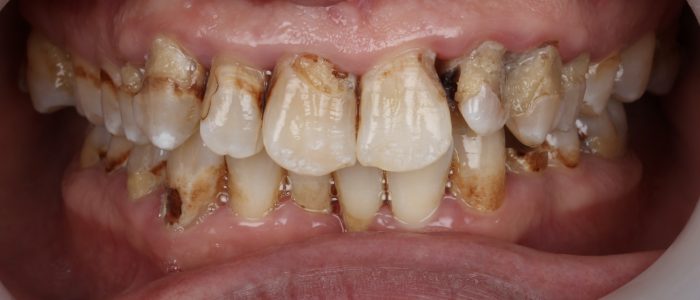 Figure 1: Preoperative situation – extensive root caries in almost every tooth
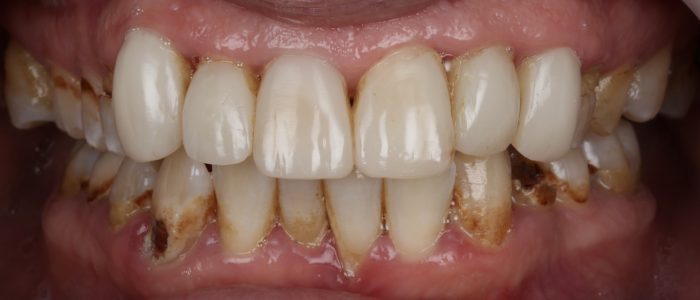
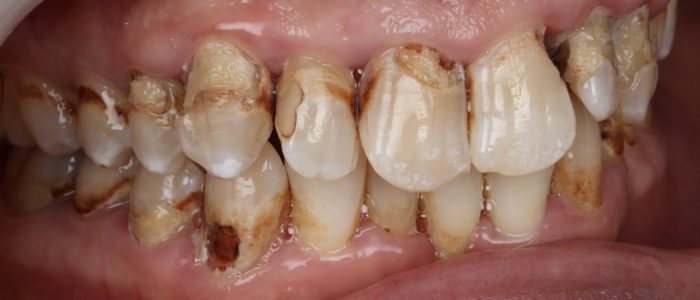
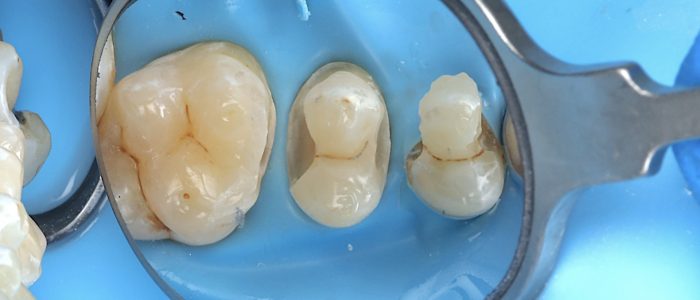
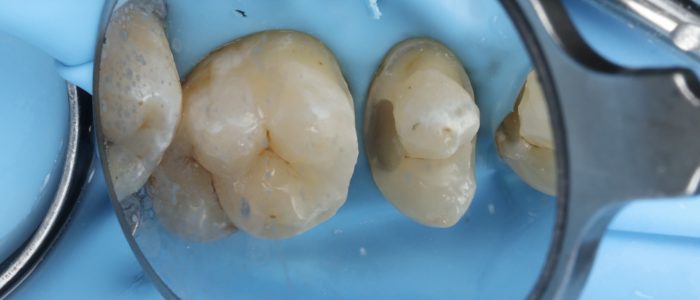
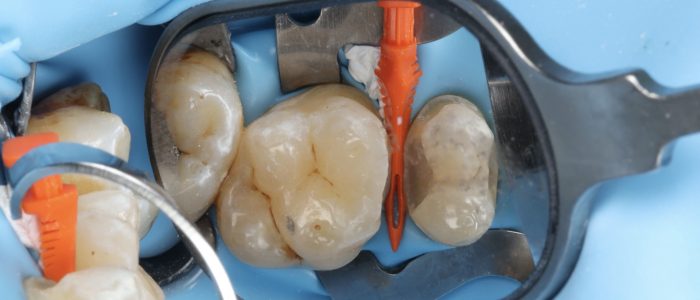
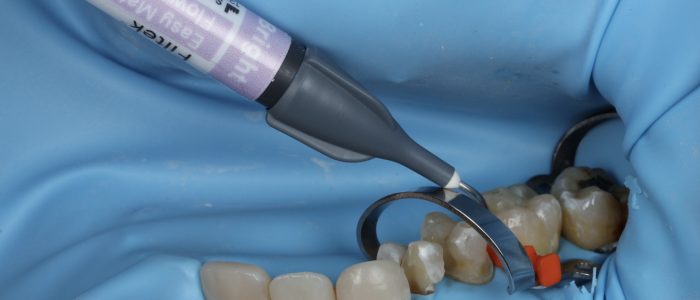
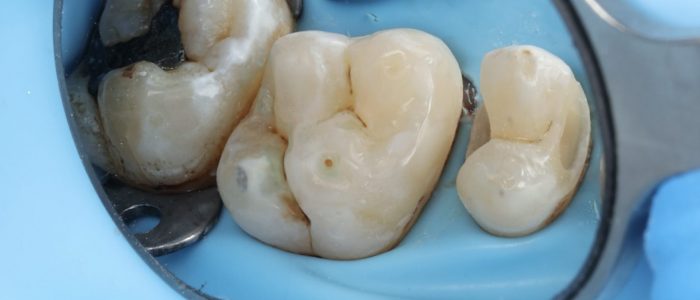
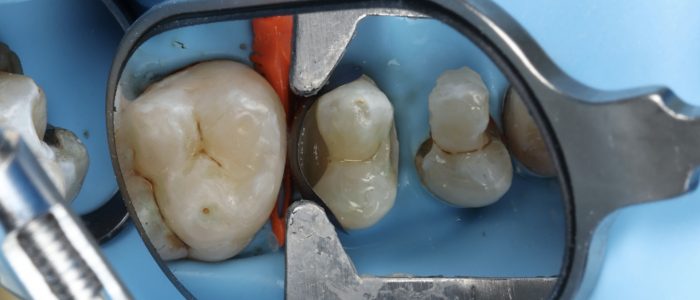
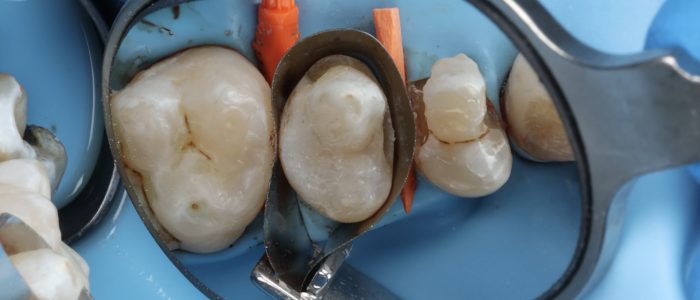
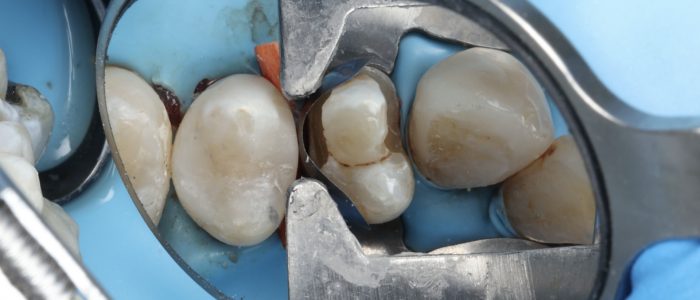
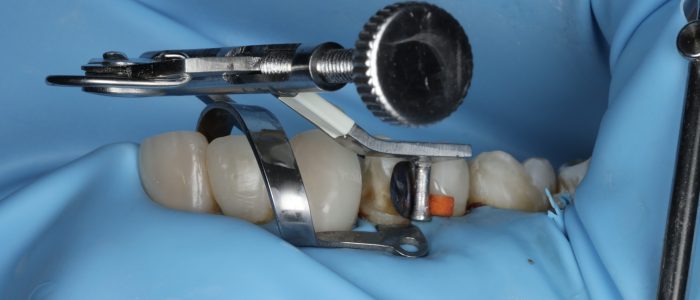
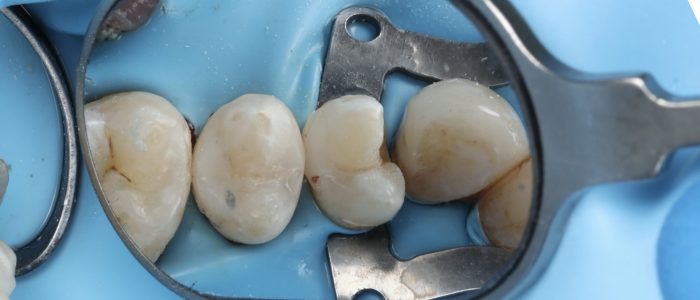
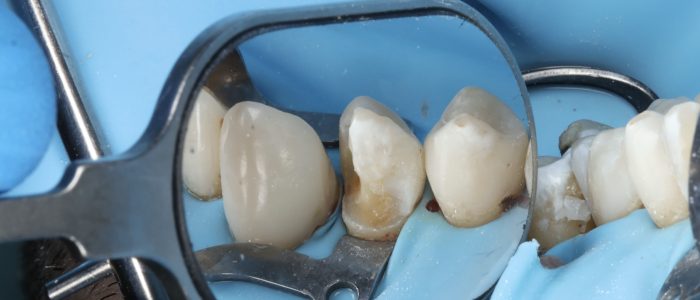
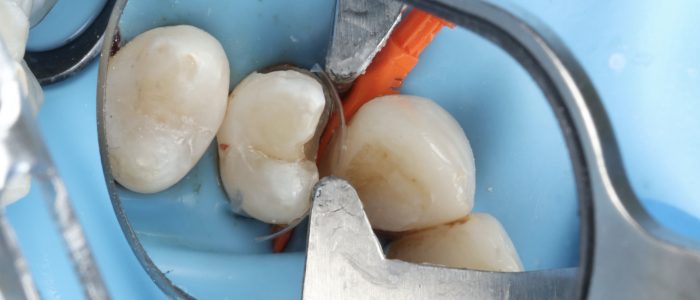
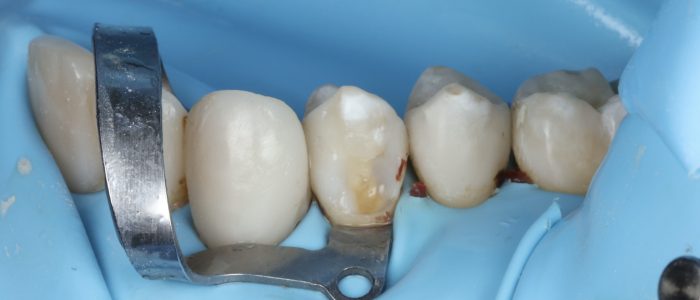
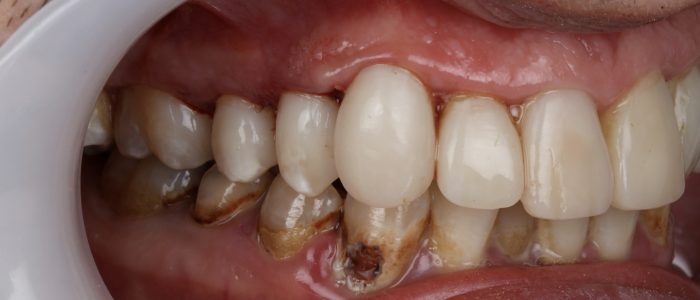
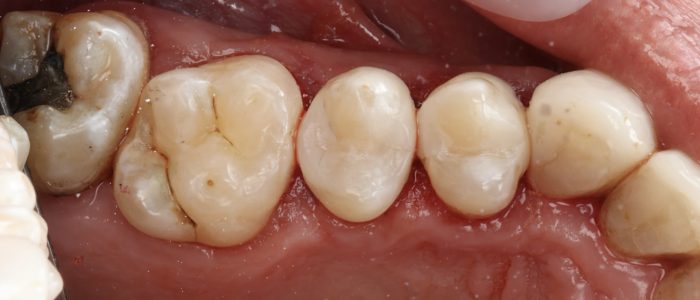
A 38-year-old male was referred for comprehensive treatment to improve aesthetics and to try to salvage as many teeth as possible. He previously worked as a chef with high incidence of energy drink consumption. Extensive root caries noted.
The challenge was to restore form and function, provide an easy to clean surface and reduce risk factors.
The case was completed with Filtek Easy Match shade Bright in paste and flowable preparations. Dr O’Connor said: ‘The matrixing was challenging in places but the versatility and simplicity of the composite used certainly helped produce the result. I am most proud of the aesthetics and polish produced with a single shade restorative approach.’
Change your materials
Composite materials have typically been made available in shades corresponding to popular shade selection aids, such as the VITA shade guide.
The range of colours that a tooth may be – from cusp to gingival margin – is so varied that many composite systems are available in countless shades. A clinician may feel the need to have these available in many, if not all, available shades in order to feel adequately prepared to support every patient.
However, this has drawbacks. Firstly, if shades go unused, inventory space is being used unnecessarily, and the solution could be considered a poor investment.
‘A smaller selection of restorative materials streamlines the selection workflow, but this should not be at the compromise of aesthetic outcomes’
In everyday care, decision-making between four or five similar shades of composite may increase treatment time, reducing opportunities to support a wider variety of patients.
A smaller selection of restorative materials streamlines the selection workflow, but this should not be at the compromise of aesthetic outcomes.
This problem is compounded when considering the types of restoratives needed. A standard composite material will be ideal in many clinical indications, but there are circumstances where a flowable or bulk fill material is preferred; if a wide array of shades is needed in each modality, the inventory challenge grows.
Combine this further with blockers, and the headaches for dental teams only expands too.
Simple shade selection with Filtek
The most straightforward answer to simplifying shade selection workflows is choosing a versatile, effective composite selection when procuring items.
This includes the Filtek Easy Match range from Solventum. The 3M Filtek Easy Match Universal Restorative uses a three-shade system to enable a more intuitive process, while increasing confidence in aesthetic outcomes.
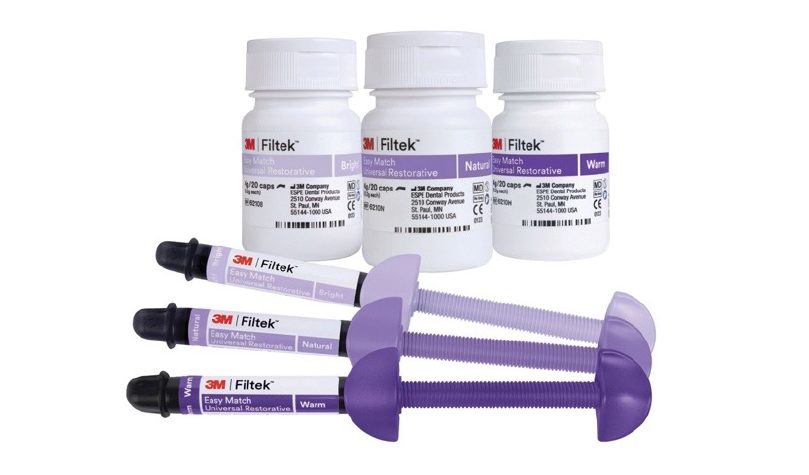
The Bright, Natural and Warm shades match the entire classical VITA shade guide, suiting almost any patient’s restorative needs. Natural is appropriate in a majority of cases, with its appearance adapting to the structures around it.
A naturally adaptive opacity ensures this happens at each aspect of a tooth, with a natural appearance achieved without an additional blocker. Instead, clinicians can create a dentine-like opacity by creating a material thickness greater than 2mm. For the incisal edge and bevel, an enamel-like translucency can be crafted by using just 0.5-1mm of material.
The result means a refined inventory, and confidence in more intuitive shade selection.
In cases where it is more difficult to judge – ‘could this patient be a bright shade, or natural?’ – clinicians need only place a button of material on the tooth, light-cure, and choose the appropriate solution.
Not only is this convenient, but it can also be an effective opportunity to show the patients an aspect of the final result before treatment is carried out.
Benefits for wider workflows
Not all restorative cases can be managed effectively with a standard composite material, however. Instead, a flowable solution may be preferred.
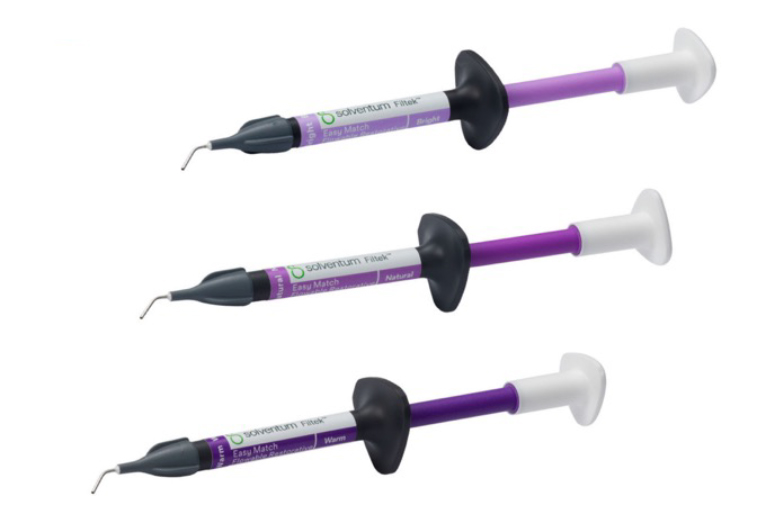
The Solventum Filtek Easy Match Flowable Restorative utilises the same versatile three-shade system, but can be applied in many more cases, for true confidence in every case.
Once again, no blocker is required, but the innovations do not stop here. An improved syringe design means that application is virtually bubble-free, without run-on, when compared to a common Luer lock design. As a result, clinicians have increased confidence in both aesthetics and restorative longevity.
Excellent polish retention and wear resistance is achieved with both solutions, ensuring aesthetics last over time.
Application is made even simpler with the addition of the Solventum Filtek Composite Warmer Kit.
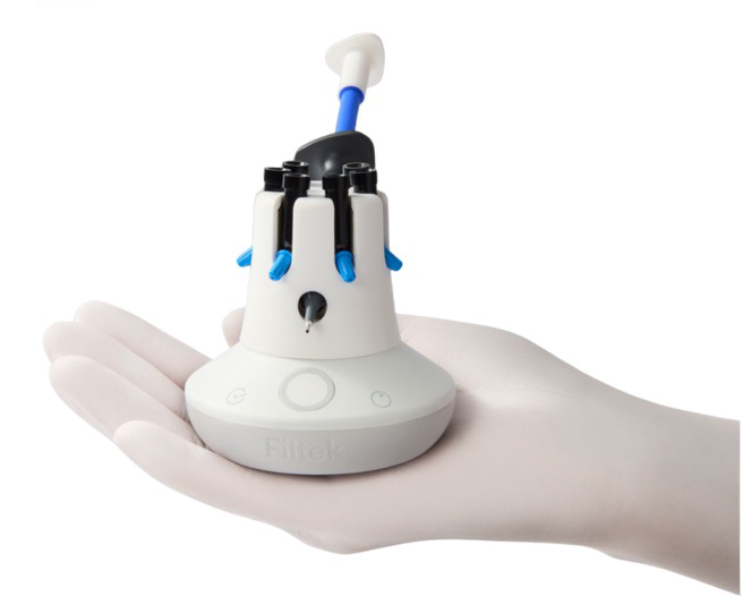
Solventum Filtek Composite Warmer Kit
- Indicated for composite warming
- Heat up to six capsules and one flowable syringe
- Syringes can be warmed up to 70ºC/158ºF for up to one hour, up to 25 times
- Compact and lightweight design fits in your hand
- One button operation.
Once an appropriate shade of composite is chosen for a patient, effective application is paramount. The Solventum Filtek Composite Warmer Kit is fast, portable and easy to use. It is designated specifically for use with Filtek composite restoratives, and creates improved flow and adaption for chosen materials, while reducing extrusion forces.
When optimising restorations through shade selection, material warming is the next step to more confident placement.
Flowable restorative poll: what do you use and what would make you switch?
Summary
There are many ways a clinician can change their shade selection workflow to improve restorative outcomes for patients. Changing the shade matching process can help dental teams find more accurate results, but selecting a versatile restorative material could have additional benefits.
Aside from enhanced aesthetics, clinicians could find knock-on effects in inventory management and streamlined treatments, creating a wider range of benefits – certainly something to smile about.
References
- Adebayo GE, Gbadebo OS, Ajayi MD (2022) The tooth shade matching ability among dental professionals: A comparative study. Annals of Ibadan Postgraduate Medicine 20(1): 65
- Alayed MA, Alnasyan AS, Aljutayli AA, Alzaben MM, Alrusayni WM, Al Hujaylan AA (2021) Considerations and implications in shade selection for dental restorations: a review. Journal of Pharmacy and BioAllied Sciences 13(Suppl 2): S898-S902
- Alvarado-Lorenzo A, Criado-Pérez L, Cano-Rosás M, Lozano-García E, López-Palafox J, Alvarado-Lorenzo M (2024) Clinical comparative study of shade measurement using two methods: Dental guides and spectrophotometry. Biomedicines 12(4): 825
- Hardan L, Bourgi R, Cuevas-Suarez CE, Lukomska-Szymanska M, Monjaras-Avila AJ, Zarow M. … & Haikel Y (2022) Novel trends in dental color match using different shade selection methods: a systematic review and meta-analysis. Materials 15(2): 468
- Rashid F, Farook TH, Dudley J (2023) Digital shade matching in dentistry: a systematic review. Dentistry Journal 11(11): 250
- Zilpilwar N, Nimonkar S, Godbole S, Belkhode V (2025) Efficacy of artificial intelligence-assisted appliances in the selection of tooth shade: protocol for an observational study. JMIR Research Protocols 14(1): e68160
Solventum, the S logo and Filtek are trademarks of Solventum or its affiliates. 3M is a trademark of 3M company.
For clinical sample offers, please read terms and conditions on order form.
Stay updated with relevant information about this webinar