Anna Charters offers guidance on how to create a more comfortable experience for neurodivergent patients.
Providing dental care to neurodivergent patients requires a thoughtful and inclusive approach. It is important to recognise and respect the individual needs of each patient, ensuring that dental services are accessible and supportive.
There are numerous ways we can show our patients that we are inclusive dental professionals. It is important to actively demonstrate our commitment to inclusivity through our actions and interactions with patients.
Getting to know our patients and understanding their individual needs is essential. This can be achieved by sending a form to the patient in advance or by making a phone call to the patient or their caregiver.
By learning about individual circumstances, we can tailor each visit, allowing us to deliver effective dental care, creating a positive experience and fostering a sense of safety and understanding.
Communicating effectively with neurodivergent patients
It is important to recognise that difficulties in understanding dental terminology can make instructions challenging for some patients to follow. They may not comprehend what is expected of them or understand the reasons behind certain requests.
To support these patients, it is essential to use simple and literal language, and allow additional time for them to process any information provided.
Some individuals may feel more comfortable if you speak directly to their parent or carer, as continuous verbal communication can sometimes increase feelings of anxiety. Providing visual aids during explanations can also be helpful.
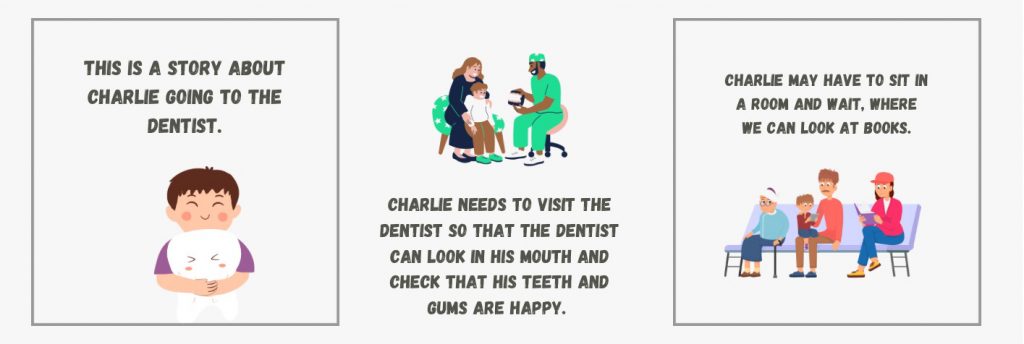
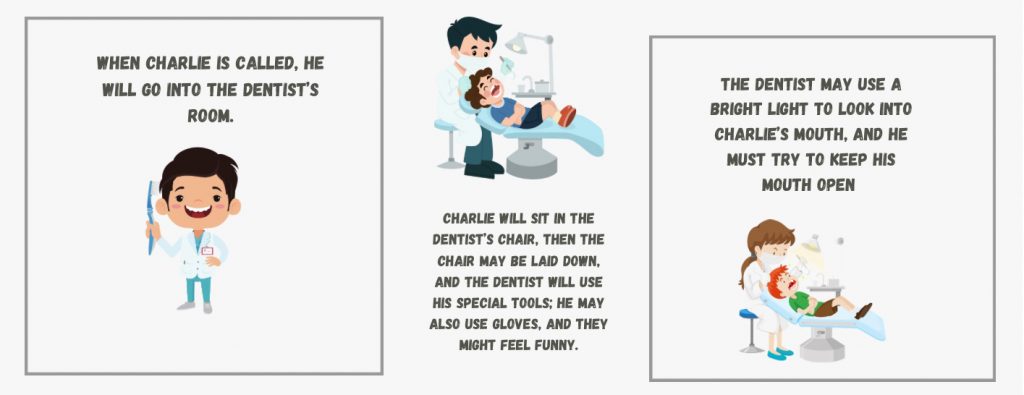
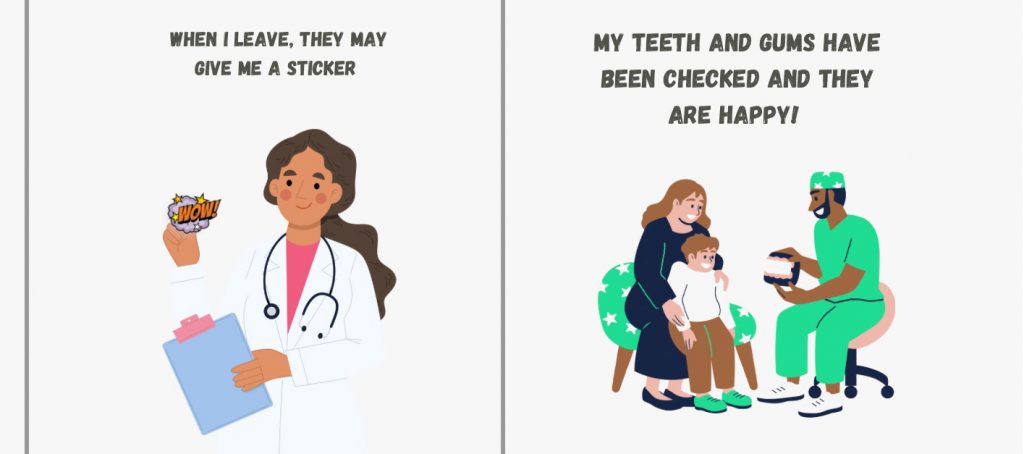
Additionally, sending the patient a social story prior to their appointment – that outlines the procedure that will take place – can help them prepare for the visit and reduce uncertainty.
Supporting patients’ need for sameness
Many patients experience a strong desire for consistency and may feel anxious when faced with unfamiliar situations. To alleviate these concerns, it is beneficial to ensure that the patient is consistently seen by the same clinician and nurse during each visit.
Using the same treatment room whenever possible also contributes to a sense of familiarity, helping to reduce anxiety.
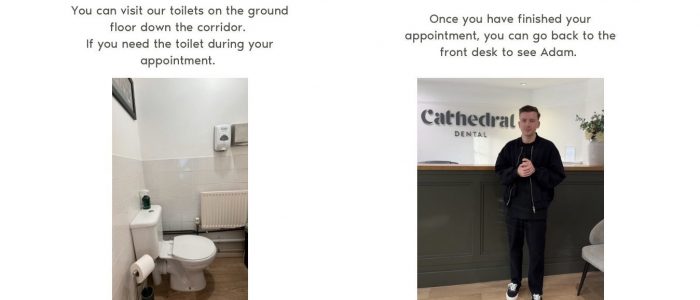
In addition, providing visual aids can be particularly supportive. Sharing images of the surgery waiting room, toilets, and members of the clinical team in advance can help the patient to be better prepared for their appointment.




Adapting the dental environment for sensory needs
By tailoring your approach according to their sensory preferences, you can create a more comfortable experience.
Managing noise levels
Some patients, particularly those who are hypersensitive, may find noise challenging. To address this, limit common sounds in the clinic environment:
- Turn off the radio
- Ensure suction equipment is only used when necessary
- Consider providing ear defenders or suggesting the patient brings their own.
Minimising wait times by scheduling appointments during quieter periods and allowing patients to wait in a calm space can help reduce anxiety and sensory overload.
Controlling smells
Strong smells can be difficult for some patients to tolerate. Removing air fresheners and storing chemicals in cupboards can help reduce unpleasant odours in the clinic.
Considering touch sensitivities
It is important to assess whether the patient can cope with being touched, including the use of mirrors and instruments in their mouth. The level of pressure should be adjusted according to their needs, provided this can be done safely.
Taste and light adjustments
The taste of dental instruments and gloves may be hard for some patients to tolerate. Offering breaks and allowing mouth rinsing can help manage discomfort. Overhead lights may also be too bright; dimming the lights, using loupe lights, providing dark safety glasses, can make the environment more comfortable.
Addressing vestibular and proprioceptive needs
Vestibular (balance) and proprioceptive (body awareness) challenges can arise, particularly when lying down, which may cause dizziness or a sensation of falling. Offering the option to sit semi-reclined may improve comfort.
Some individuals may experience challenges related to pressure awareness, which can manifest as either over-brushing or under-brushing their teeth. To support these patients effectively, it is important to make appropriate adjustments to both treatment techniques during appointments and the advice provided for home care.
Adaptability and patient involvement
Whenever possible and necessary, adopt a multidisciplinary approach to patient care. It is essential to acknowledge that a single approach does not suit every patient. Flexibility and adaptability are key when caring for neurodivergent patients.
Read more from the National Dental Hygienist and Dental Therapist Day campaign:
- From dental therapy to sports dentistry
- Educate and elevate dental hygiene with lifestyle medicine
- National Dental Hygienist and Dental Therapist Day countdown begins.
With thanks to our sponsor, NSK.
Follow Dentistry.co.uk on Instagram to keep up with all the latest dental news and trends.