
Dentistry|Products
What’s your handpiece persona?
Last updated: 27th March 2026

Contents
Choosing the right dental handpiece is as much a clinical decision as a financial one. It shapes comfort, confidence and clinical outcomes. Take the quiz below to find your best match.
A handpiece is one of the most-used instruments in day-to-day dentistry. They’re on-and-off all day, across multiple procedure types, and they sit right at the intersection of clinical outcome, workflow and operator wellbeing. That makes handpiece selection about much more than headline speed or price; it’s about how the instrument supports your posture, your workflow and the consistency of your outcomes.
The wrong one can quietly add friction: more fatigue at the end of the day, more micro-adjustments to maintain visibility, more noise, more vibration, and more interruptions when performance isn’t dependable.
Choosing the right handpiece is a clinical decision as much as a purchasing one. It affects how confidently you can work, how smoothly your day runs and, ultimately, the experience you deliver to patients.

‘When the handpiece runs smoothly and quietly, the whole atmosphere in the surgery feels more controlled and comfortable.’
Javed Ikram
Principal dentist
Ergonomics
Comfort isn’t a ‘nice to have’ – it’s essential to performance, wellbeing and longevity.
Dentistry is physically demanding, repetitive work. Much of it happens in static, forward-leaning postures, with small-range, high-precision movements repeated across the day. Research consistently links these demands to a higher risk of work-related musculoskeletal disorders (WMSDs) in dental teams.
That’s why ergonomics shouldn’t sit in a ‘nice-to-have’ category. It affects how long you can maintain neutral wrist and shoulder positions, how much grip force you need, and how quickly fatigue builds during longer procedures.

Even subtle design choices can matter: the way an instrument sits in the hand, how stable it feels at speed, how clearly you can see the working field without straining, and how much vibration or noise you’re absorbing throughout the day.
‘Handpiece ergonomics play a significant role in my daily comfort at Dartmoor Dental Tavistock,’ says dentist Michael Hesketh. ‘Dentistry naturally demands repetitive micro-movements, making well-balanced instruments essential.’
This is why he consistently chooses KaVo over competitors. He says: ‘KaVo handpieces offer excellent weight distribution, comfortable angulation, and a secure grip. This practical design minimises the pinch force needed, noticeably reducing hand and wrist fatigue.
‘By the end of a busy clinic, I feel far less strain. KaVo allows me to work comfortably and maintain steady precision for my final patient, while effectively supporting my long-term health.’

‘Reliability is the backbone of a smooth workflow in any busy practice. When you use a handpiece continuously, you need absolute confidence that it will perform consistently.’
Michael Hesketh
Dentist and practice owner
Smooth and balanced handling
KaVo positions instrument design around the operator as well as the clinical outcome, and it backs this up with specific features found across its range. For example, KaVo highlights small head sizes and ergonomic head/knee angle combinations intended to improve access and visibility in difficult-to-reach areas.
Smooth running and balanced handling also matter for strain. KaVo describes its Triple Gear technology (in certain contra-angle models) as designed to run as smoothly as possible, minimising any vibrations, alongside quiet, low-vibration operation supported by ceramic ball bearings.
Javed Ikram, principal and implant dentist says: ‘By the end of a full clinical day, your hands definitely know what you’ve been holding. If a handpiece is slightly too heavy, poorly balanced or vibrates more than it should, you feel it in your wrist and forearm.
‘With KaVo, the first thing I notice is how balanced it feels. It’s not about flashy features – it just feels right. The bur runs smoothly, there’s no harsh vibration, and that reduces fatigue over time. When you’re doing multiple crown preps or surgical cases back-to-back, that comfort really adds up.’
Maximilian Holl is a junior dentist based in Germany. He adds: ‘KaVo instruments offer unbeatable ergonomic comfort. You can feel their quality and they couldn’t easier to use.
‘I’ve tried many instruments in the past, but I’ve always come back to KaVo. They just make everyday work much easier. Nothing jiggles. You can really feel the quality.’
Reliability
A handpiece isn’t used occasionally – it’s relied on constantly.
Reliability directly affects workflow, confidence and the mental load of clinical work. When an instrument performs consistently, you can focus on the procedure rather than compensating for drop-offs in performance, unexpected noise changes, heat, or intermittent issues that force you to adapt mid-appointment.
Unreliability also creates ‘hidden stress’: the background worry about whether today will be the day the handpiece starts underperforming, whether you’ll lose time troubleshooting, or whether a repair will disrupt schedules.
In a busy practice, that mental friction has a real cost – even before you get to the direct cost of repairs and downtime.
For Michael, reliability is crucial. He says: ‘Reliability is the backbone of a smooth workflow in any busy practice. When you use a handpiece continuously, you need absolute confidence that it will perform consistently. A mechanical fault mid-procedure disrupts the schedule and adds unnecessary stress for both the clinician and the patient.
‘This is where KaVo excels compared to other brands. Their robust build quality means unexpected downtime is remarkably rare. I can trust my KaVo handpieces to deliver the same steady power and precision from the first appointment to the last, allowing me to focus entirely on patient care rather than equipment concerns.’
Quality and reliability
KaVo positions reliability as a core part of its brand: all dental instruments are manufactured exclusively in its main factory in Biberach, as part of its ‘made in Germany’ quality focus. It also describes its brand and products as representing high quality and reliability ‘for over 100 years.’
On the product-engineering side, KaVo points to features like high-quality ceramic ball bearings (linked to quiet, low-vibration running) and specified high retention power for ultra-secure bur retention.
In terms of lifespan expectations, it’s normal for a good quality dental handpiece to run for at least five to seven years, but it’s not uncommon to see KaVo handpieces in practice that are over 20 years old (with appropriate servicing).
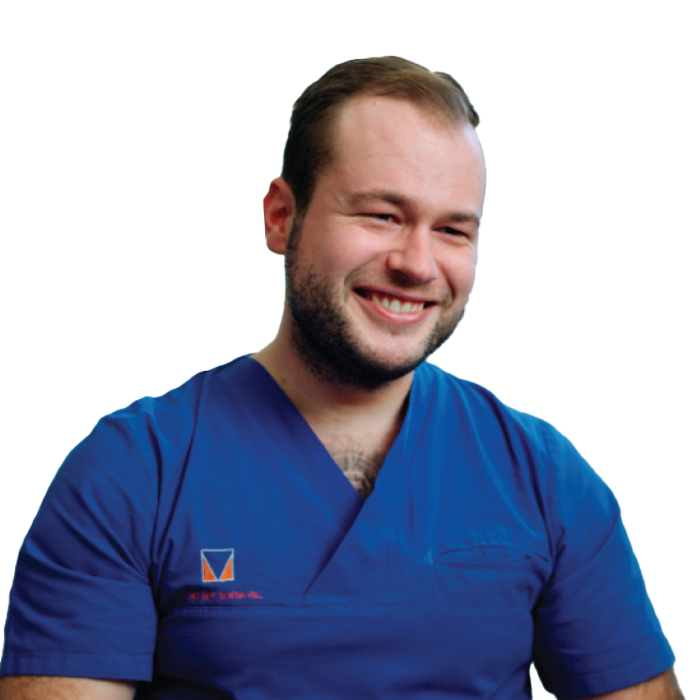
‘KaVo are great innovators. Their handpieces work hard for you day in, day out. The R&D that goes into each instrument is mind-blowing.’
Maximilian Holl
Junior dentist
‘In a busy practice, reliability isn’t optional – it’s essential,’ says Javed. ‘The last thing you want is a handpiece that cuts out mid-procedure or doesn’t hold the bur properly.
‘When I pick up a KaVo handpiece, I don’t second guess it. The bur retention feels secure, the rotation is consistent, and it just works. I still use older KaVo slow speeds that have been with me for years and continue to perform.’
Michael adds: ‘When assessing consistency and reliability, KaVo handpieces truly stand apart due to their exceptional engineering. A primary factor is their use of premium ceramic ball bearings. Unlike traditional steel bearings, these wear far less over time, meaning the handpiece delivers the exact same smooth rotation and cutting power months down the line.
‘Additionally, their chuck system offers incredibly secure bur retention. I never have to worry about a bur slipping or stalling under pressure. Combined with a robust build that easily withstands constant sterilisation cycles, these instruments provide a dependable, daily performance that keeps our clinic running without frustrating interruptions.’
Clinician comfort = patient comfort
When the clinician feels better, everyone benefits. Comfort isn’t just about how you feel at the end of the day – it has a clinical dimension. Less fatigue supports better focus and steadier fine motor control, especially during longer appointments or when working in challenging posterior access. When posture and grip are under strain, it’s harder to stay consistent, and more likely you’ll compensate in ways that affect precision.
Noise matters too. A calmer treatment environment benefits everyone: dental professionals are exposed to multiple noise sources (handpieces, suction, ultrasonic devices), and prolonged exposure is linked to hearing risks – but it also affects the ‘feel’ of the surgery for patients, particularly anxious ones.
Visibility is another comfort-and-performance crossover. Better access and a clearer view of the preparation area can reduce the need for awkward positioning, eye strain and repeated micro-adjustments, while also improving confidence in what you’re doing.
As Michael states: ‘My comfort during a procedure is inextricably linked to the patient’s experience. If I am fatigued by a heavy or vibrating handpiece, my focus can waver, and patients inevitably pick up on that physical tension.
‘Using KaVo handpieces helps me maintain a relaxed posture and clear focus. Their low vibration and quiet operation mean I am not fighting the instrument. Compared to other brands, this seamless handling translates to a smoother, often quicker procedure. When I am comfortable and confident, the patient feels far more at ease, creating a calmer, more reassuring clinical environment for everyone involved.’
Confident, calmer dentistry
KaVo’s approach connects operator comfort to practical, procedure-level benefits. For visibility and access, KaVo describes design elements such as small head sizes and specific head/knee angle combinations to improve the view and clearance in difficult areas. It also highlights optimised spray water patterns and related cooling/spray design, intended to support safer, more controlled treatment.
On the noise side, KaVo lists low-volume operation specifications as a feature that ‘eliminates unpleasant noises for patients and dentists.’ Reducing unnecessary sound pressure is more than a comfort perk – it’s part of supporting a sustainable working environment.
Finally, comfort and reliability reinforce each other. When an instrument runs smoothly, reliably, and predictably, and when its design supports access and control, you spend less energy compensating. That can translate into a more confident, calmer delivery of care, which patients can pick up on immediately.
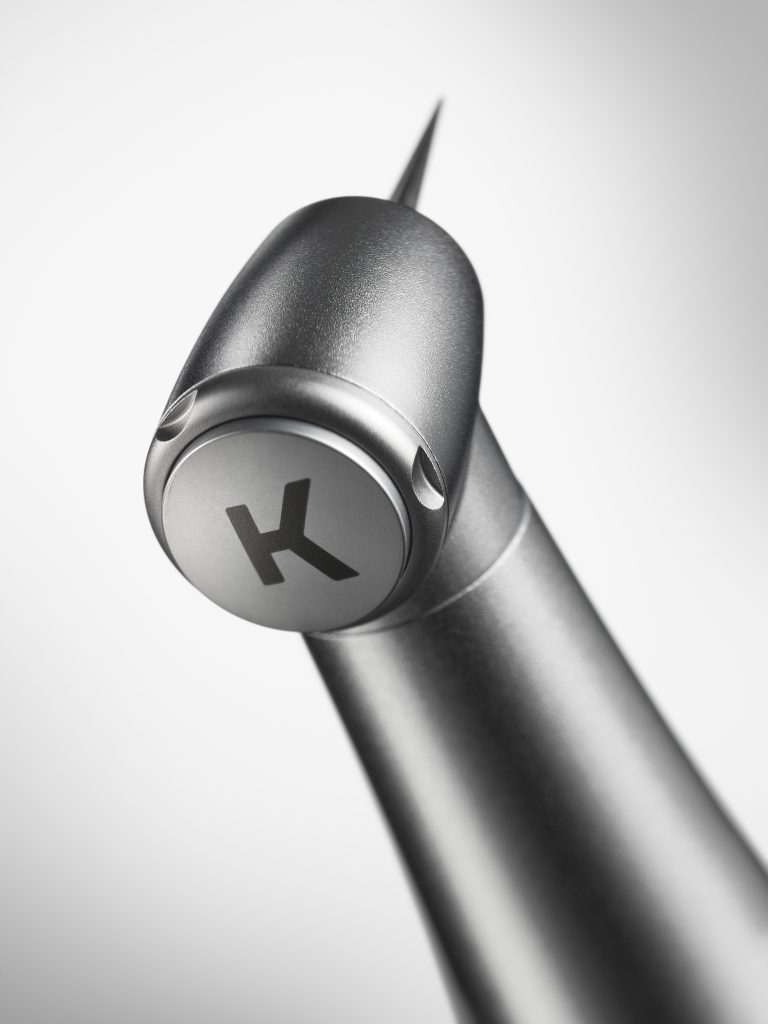
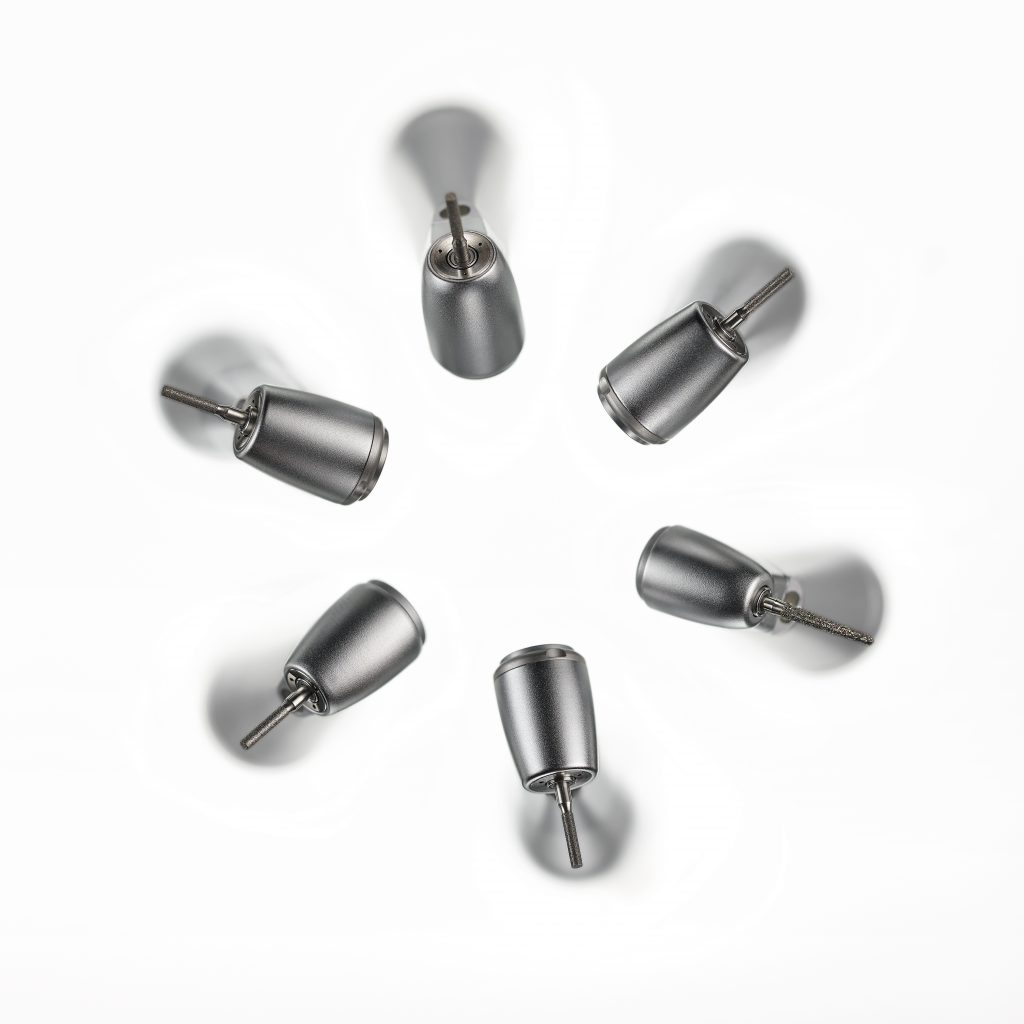
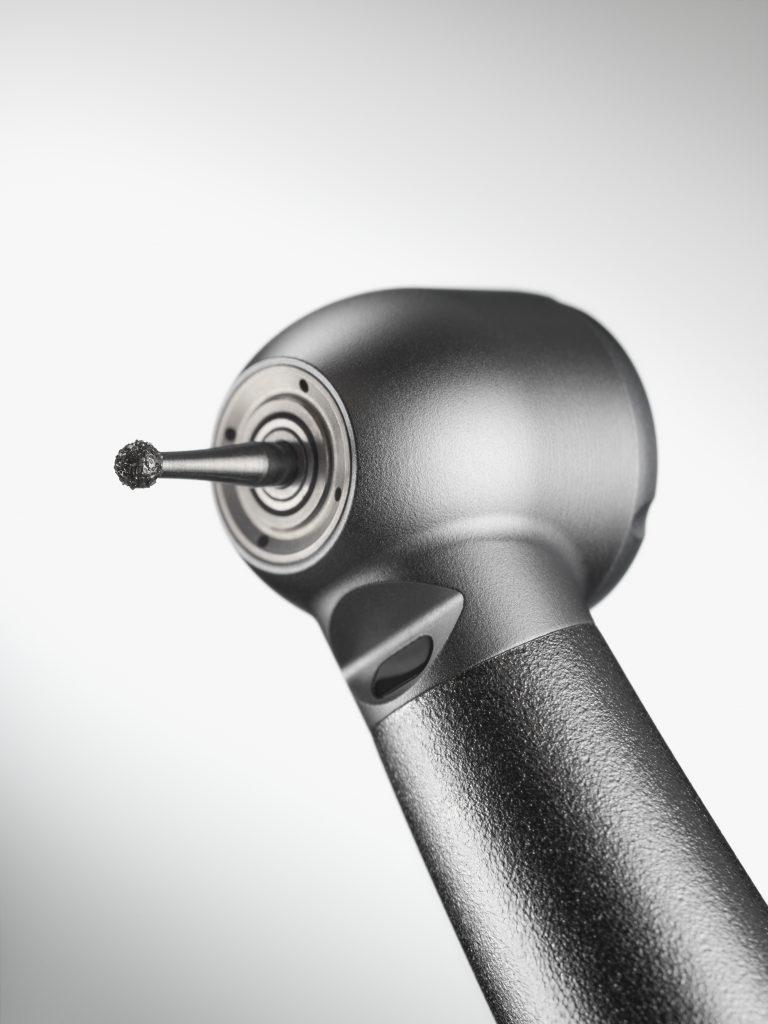
Michael says: ‘The sensory aspects of a procedure profoundly impact both the clinician and the patient. Dental anxiety is often triggered by the high-pitched whine of standard drills. KaVo handpieces operate with significantly reduced acoustic noise, which instantly creates a less intimidating atmosphere, helping patients remain relaxed.
‘For myself, KaVo’s integrated fibre-optic illumination and compact head sizes provide exceptional visibility. I do not have to strain my neck or constantly readjust the overhead light to see the preparation site clearly. Working with clear sightlines and less noise makes procedures smoother, allowing me to work comfortably while keeping my patients completely at ease.’
Javed adds: ‘If I’m comfortable and confident, the whole appointment runs better. Patients can sense when you’re relaxed and in control. Calmness translates into smoother communication and a steadier approach. The mental comfort is just as important as the physical comfort.
‘Noise is one of the biggest triggers for anxious patients – KaVo handpieces are noticeably quieter, and that alone helps create a calmer environment. The compact head and good visibility make it easier to see what you’re doing without awkward positioning. I also really value the bur retention – even during longer preparations, it feels secure, including with smaller shank burs. That stability means fewer interruptions and adjustments.
‘When the handpiece runs smoothly and quietly, the whole atmosphere in the surgery feels more controlled and comfortable.’
‘KaVo are great innovators,’ says Maximilian. ‘Their handpieces work hard for you day in, day out. The R&D that goes into each instrument is mind-blowing.’
What’s your handpiece persona?
The results
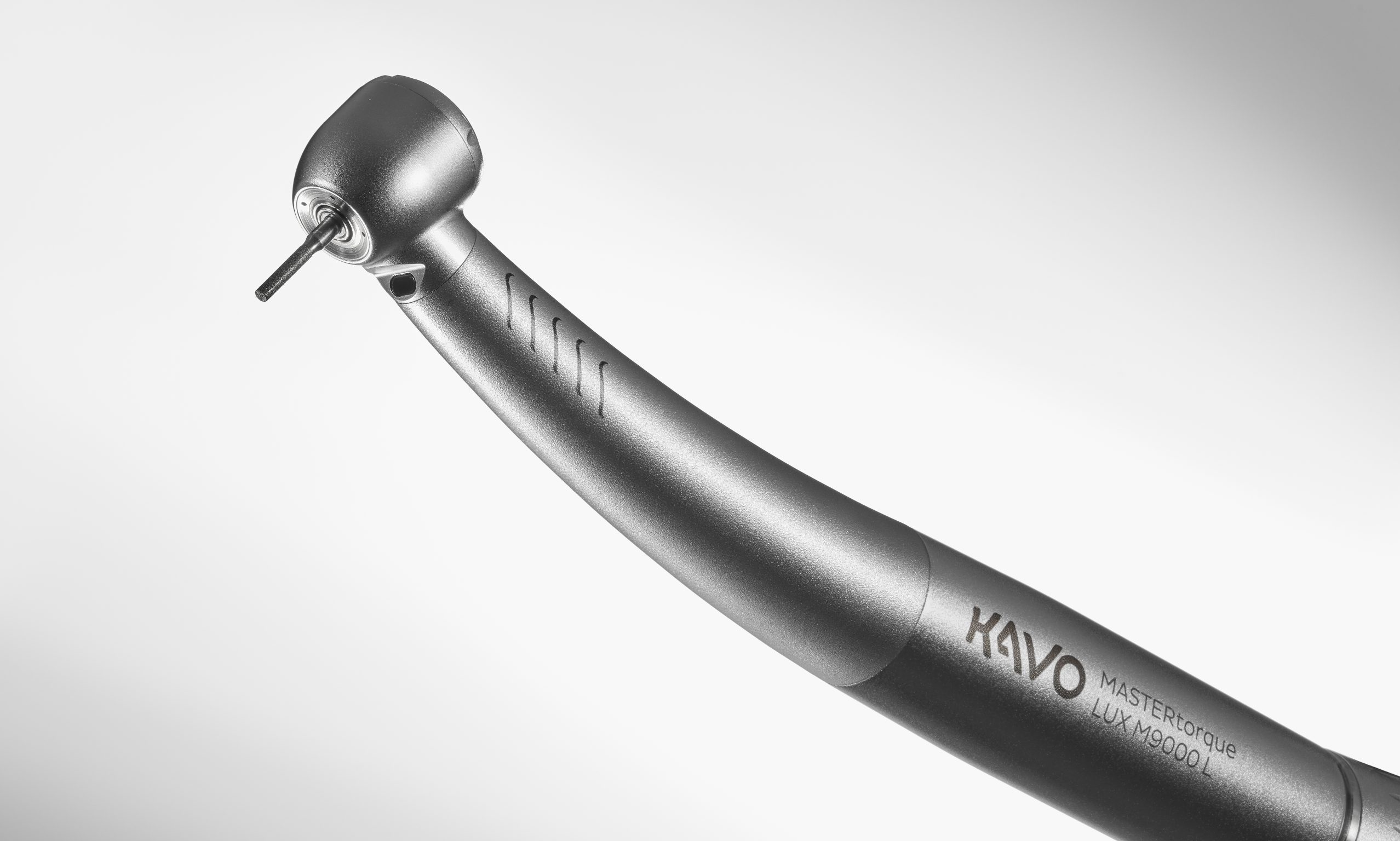
KaVo MASTERtorque M9000L
You’re suited to the MASTERtorque M9000L if you want the best available performance with reliability under pressure and a calmer experience for you and your patients. Its very powerful 31W output stays dependable, while the 57db ‘whisper quiet’ operation helps avoid unnecessary, unpleasant noise. Direct Stop Technology gives an instantaneous bur run down time (<1 second), making it safer and more efficient when moving tooth-to-tooth. It’s also extremely comfortable to work with thanks to PlasmaTec coating (smooth with optimised grip) and perfect ergonomic balance, and it supports better visibility with offset water jets and a minimised head size to reduce eye strain – plus very high chuck retention force for an extremely strong bur grip.
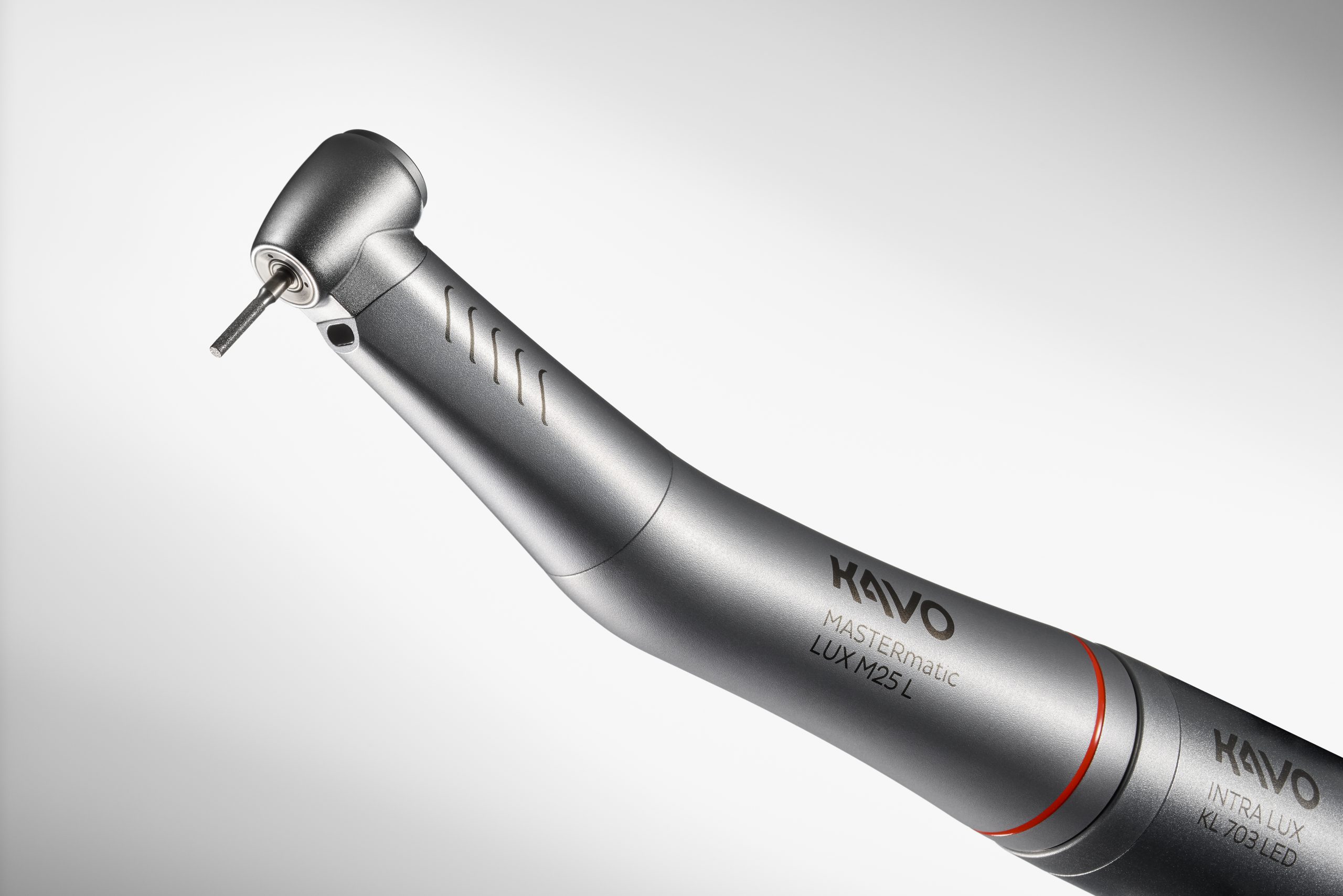
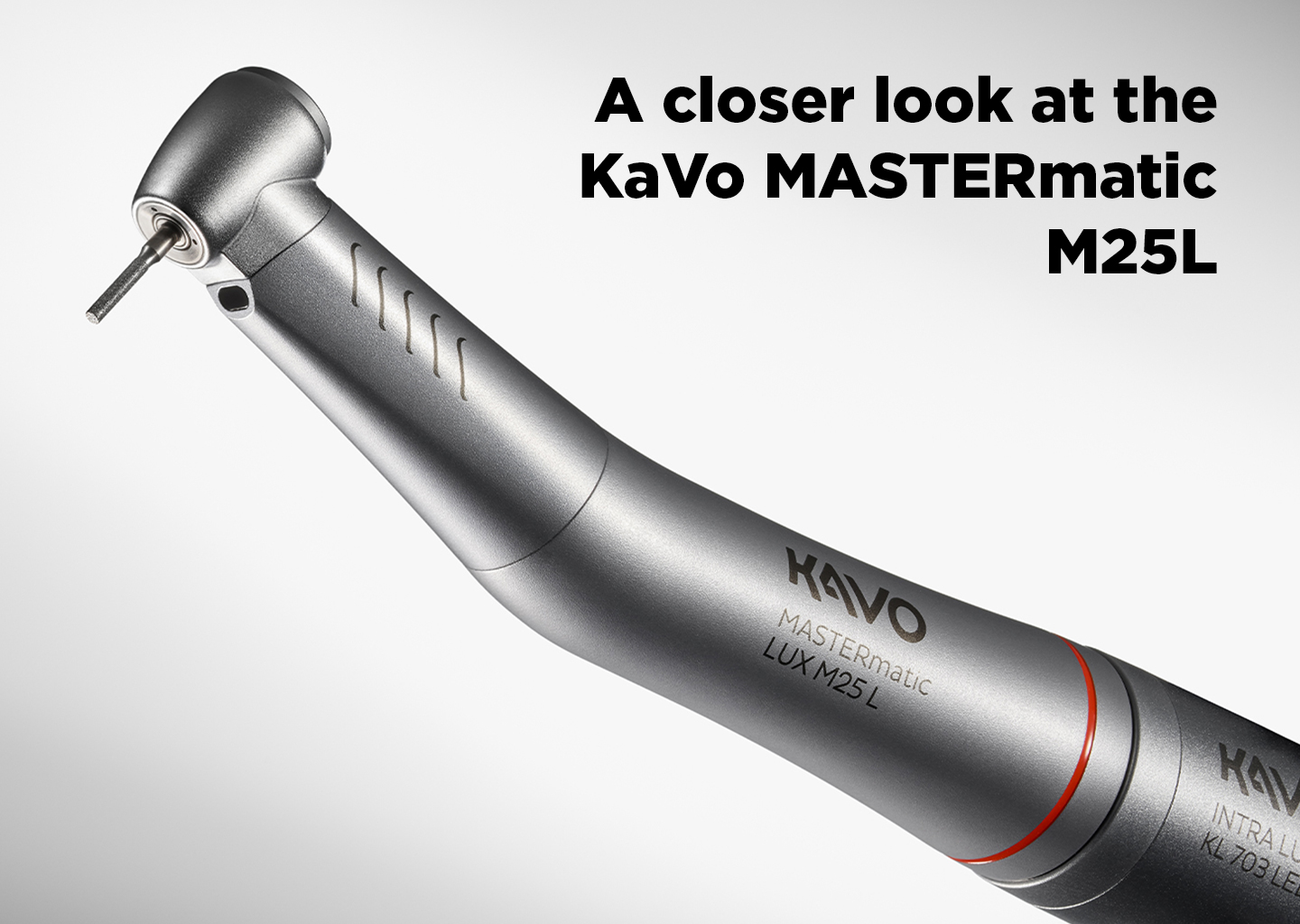
KaVo MASTERmatic M25L
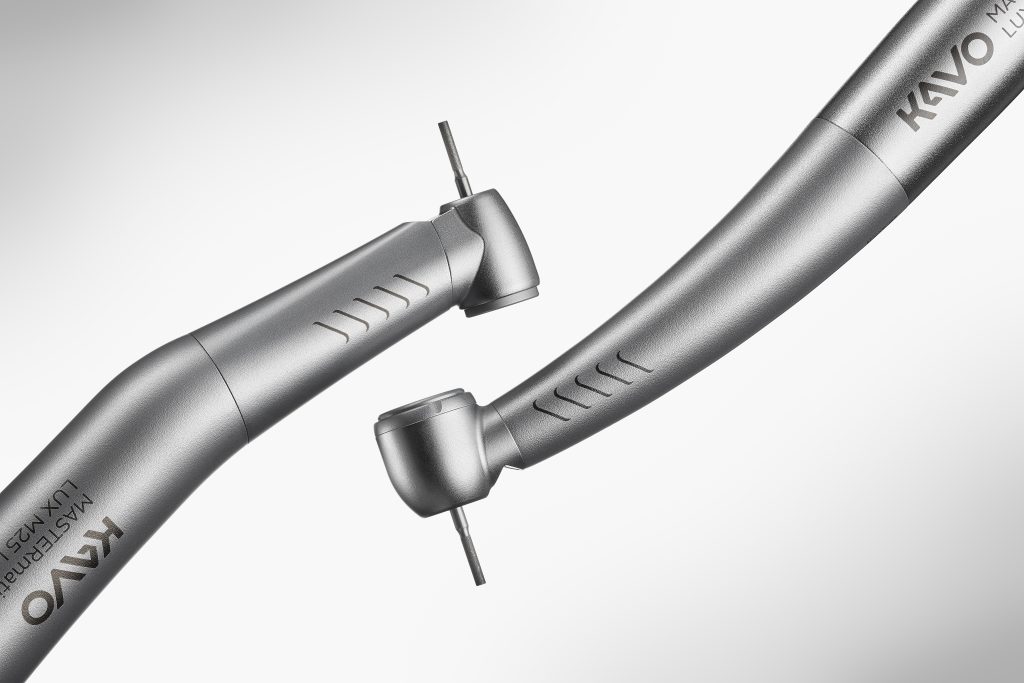
You’re suited to the MASTERmatic M25L if your work demands delicate dentistry, flexibility, and maximum comfort for both clinician and patient. The 1:5 speed/power ratio delivers high power even at low speed – ideal when you want control and finesse – while still letting you work at high speed like a turbine or low speed like a contra-angle. Triple gear technology means ultimate smooth performance with vibrations completely minimised, supporting a more comfortable experience, and it’s also very quiet at 55db for precision with quiet, vibration free operation. Add PlasmaTec coating, the smallest possible head size for best visibility and optimised operating space, and a streamlined design with knee/head angulation for ergonomic comfort.
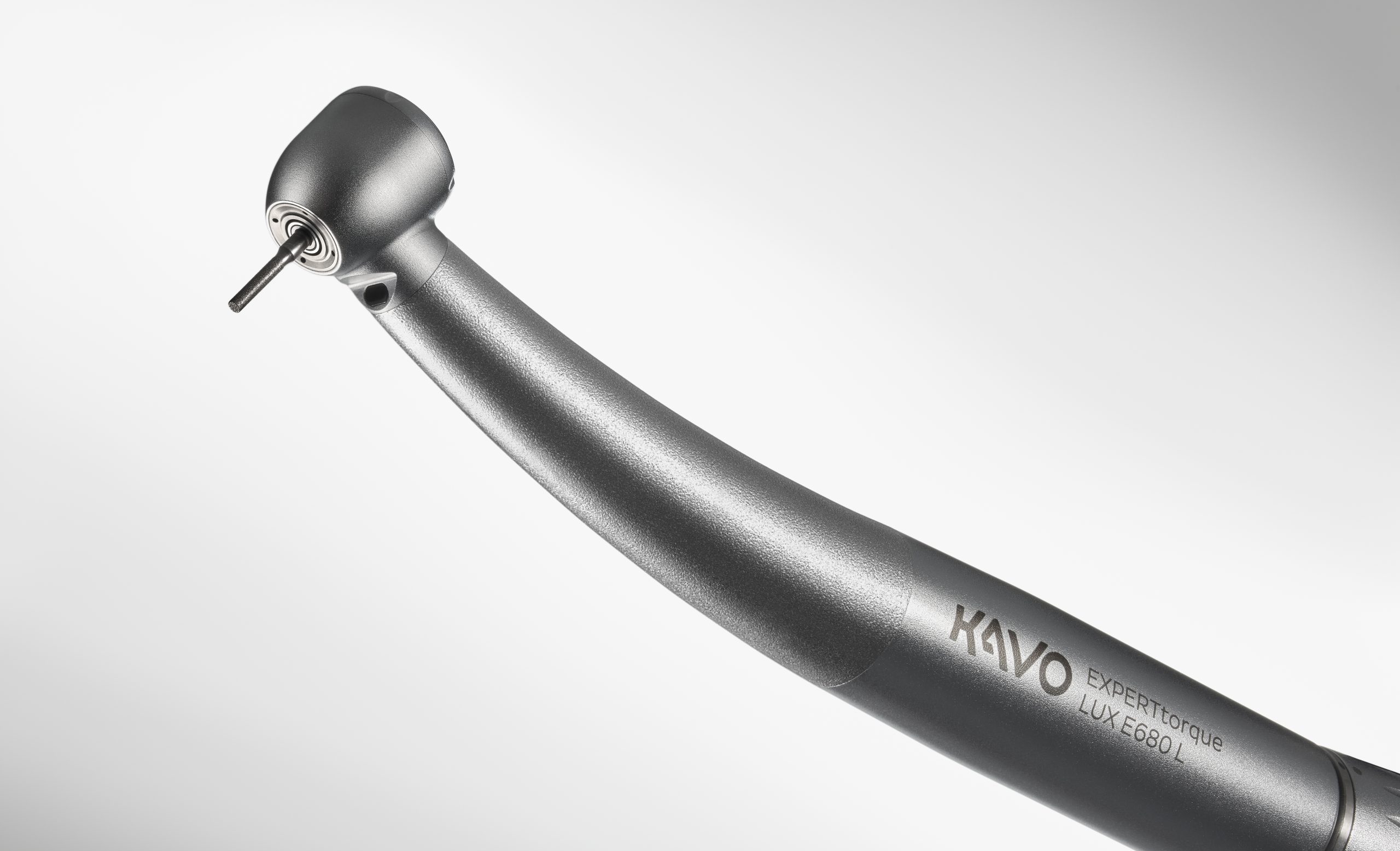
KaVo EXPERTtorque E680L
You’re suited to the EXPERTtorque E680L if you want high performance and dependable longevity with strong value over the lifetime of the handpiece. With up to 29W of power and strong, durable raw materials (ceramic ball bearings, manufactured from a single piece of stainless steel), it supports a rapid and effective workflow. It’s positioned for optimal price versus service life, backed by a 24-month warranty, first class workmanship and the narrowest possible manufacturing tolerances. For day-to-day efficiency, it offers low drilling impact (clean and efficient), a non-slip surface for easy handling, and self-maintenance, plus quiet operation at 59db (approx. 26% noise reduction) to support clinician and patient comfort.
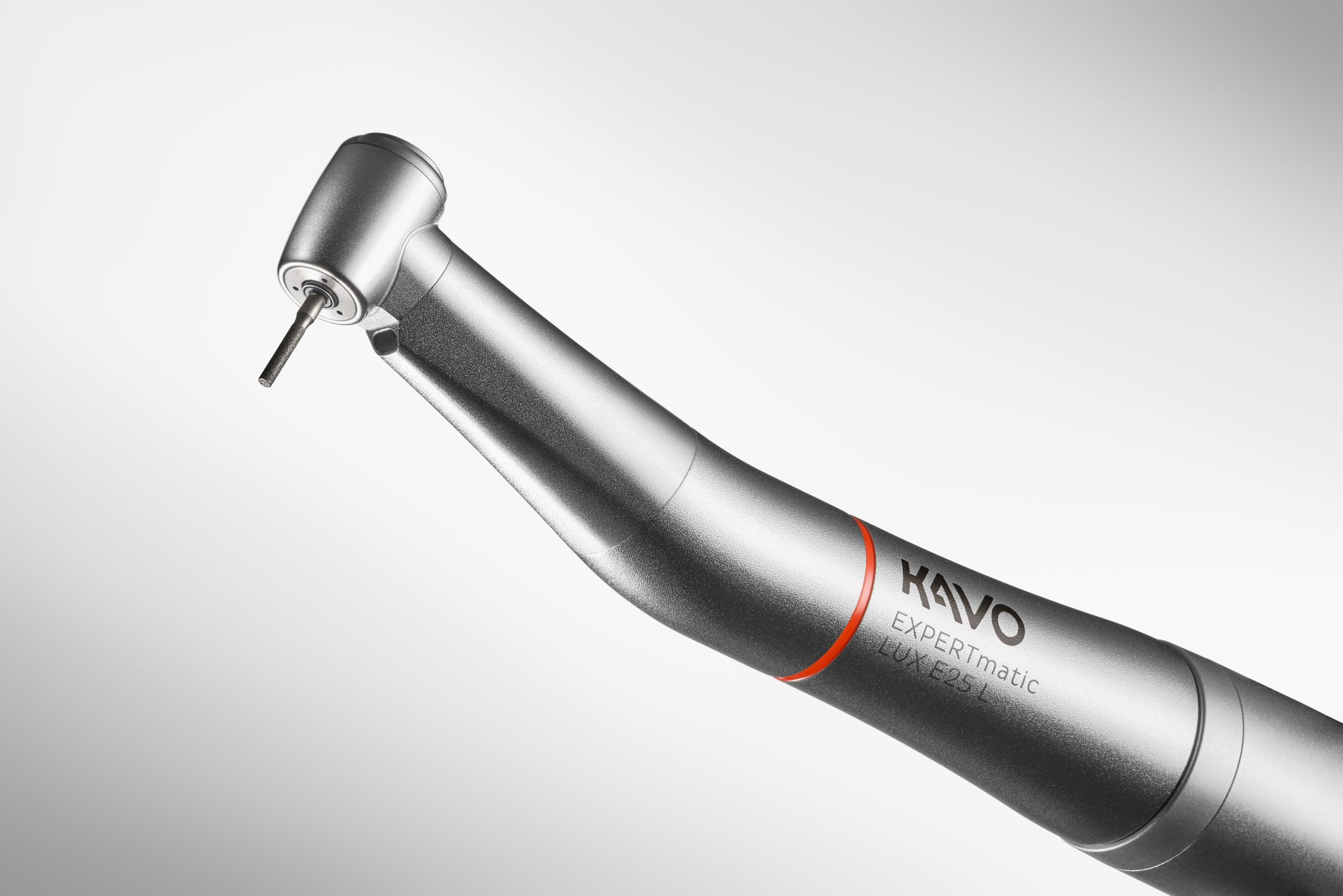
KaVo EXPERTmatic E25L
You’re suited to the EXPERTmatic E25L if you want versatile performance with smooth handling and hassle-free, in-practice upkeep. Its 1:5 speed/power ratio gives you versatility, while the smooth, precise operation is supported by being made from one solid piece of stainless steel to minimise variations in tolerances. It’s especially well matched if you value maintenance simplicity and longevity, as it can be maintained on site thanks to a changeable water filter. Robust and durable throughout, it’s built around high quality materials and KaVo engineering.
A closer look at your handpiece match


Stay updated with relevant information about this webinar