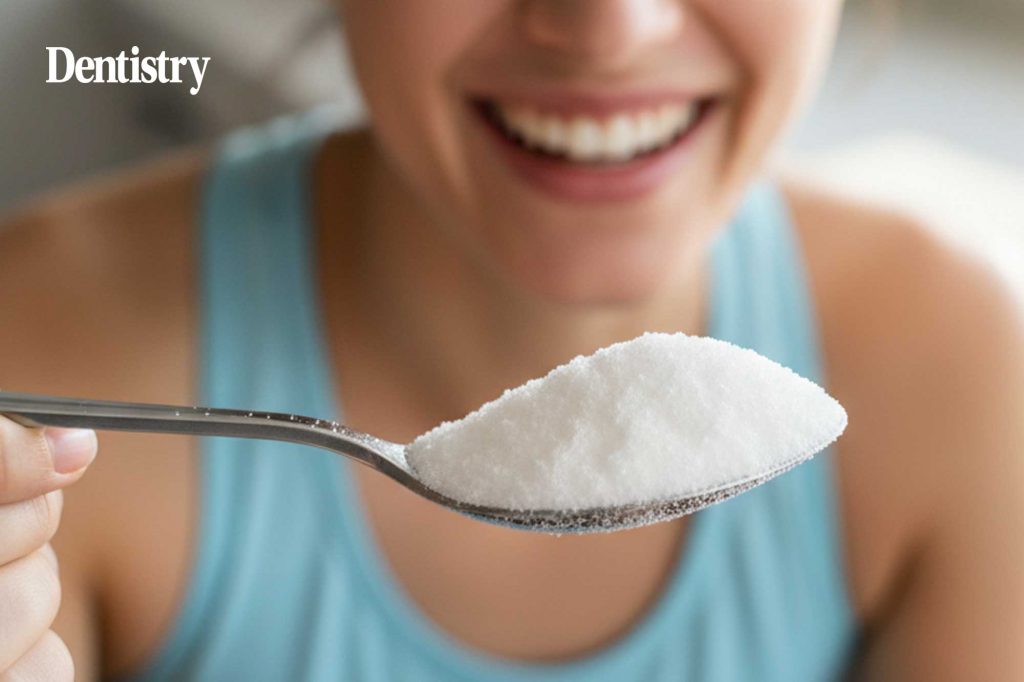
A rare natural sweetener that ‘delivers the taste of sugar without its drawbacks’ has been synthetically reproduced by researchers.
Tagatose is a sugar that occurs naturally in dairy products, but in very small amounts compared to others such as glucose, fructose and sucrose. It is produced when lactose is broken down by heat or enzymes, such as when making yoghurt, cheese or kefir. Tagatose is 92% as sweet as table sugar with 60% fewer calories.
Instead of fuelling the growth of cavity-causing bacteria similarly to sucrose, tagatose has been found to reduce bacterial growth. Evidence has also suggested that it may have probiotic properties, helping to support a healthy microbiome.
Bacteria as ‘tiny sweetener factories’
As tagatose accounts for just 0.2% of naturally occurring sugars, it is usually manufactured rather than extracted. Established processes for synthesising the sweetener were described as ‘inefficient and expensive’ by researcher Nik Nair, associate professor of chemical and biological engineering at Tufts.
He continued: ‘We developed a way to produce tagatose by engineering the bacteria Escherichia coli to work as tiny factories, loaded with the right enzymes to process abundant amounts of glucose into tagatose. This is much more economically feasible than our previous approach, which used less abundant and expensive galactose to make tagatose.’
The yield of tagatose from this process is up to 95% compared to the 40-77% that is typical of conventional manufacturing.
In addition to reproducing the sweet taste of table sugar, tagatose adds a similar bulk texture in cooking. It also lacks some of the other major health drawbacks of sucrose, such as heightened risk for obesity, insulin resistance and diabetes.
As tagatose is only partially absorbed in the small intestine, its impact on blood glucose and insulin is greatly reduced compared to conventional sugar.
Follow Dentistry.co.uk on Instagram to keep up with all the latest dental news and trends.