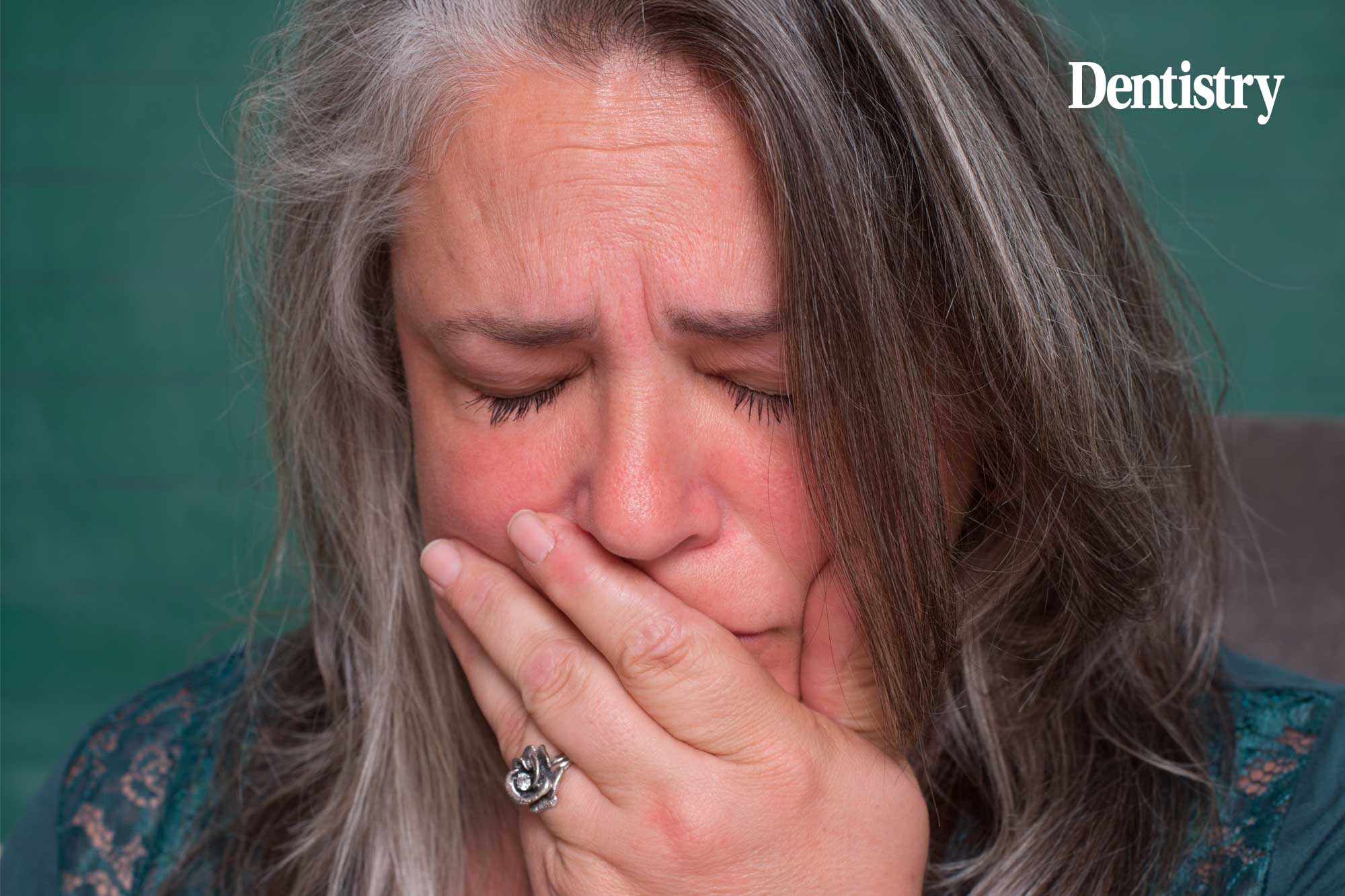
New research has shed light on the ‘self-reinforcing shame spiral’ that causes patients to avoid seeking dental treatment.
The study suggests that many people experiencing dental anxiety may fear exposing their teeth due to feelings of shame more than the treatment itself.
Dental shame might stem directly from oral health issues or the aesthetic appearance of the teeth, leading patients to avoid seeking treatment. This could potentially worsen oral health inequalities, suggesting that shame is ‘both a consequence and a determinant of oral health issues’.
Researchers from the University of Exeter and University of Copenhagen found this creates a ‘self-reinforcing shame spiral’, with shame around oral health causing problems to worsen.
The study also found that people in minoritised positions may be disproportionately affected by shame, ‘intertwining with power imbalances and inequities’.
Luna Dolezal, associate professor in philosophy and medical humanities at the University of Exeter, said: ‘Because our teeth are highly visible and central to our overall appearance and wellbeing, dental shame affects self-esteem, social interactions, access to the labour market, care systems and social services. This downward spiral concerns not only oral health but also various other aspects of life.’
Can dental professionals cause or improve dental shame?
The research suggests that healthcare practitioners can cause shame in patients ‘both intentionally and unintentionally’. For example, shaming patients may be seen as a tool to motivate patients to adopt better oral practices. However, the authors stressed that this may be harmful to patients rather than leading to positive change.
They said: ‘Understanding and addressing shame within these potentially precarious encounters [is] essential for achieving trust and improving patient-provider relationships.’
Shame competence training within dental education was proposed as a solution to these issues ‘to enable the acknowledgement and addressing of dental shame in practice’.
The study says that a focus on preventing dental shame could improve dental attendance levels, reducing the ‘devastating consequences that oral health problems can have on overall health, disease and even risk of death’.
Professor Dolezal concluded: ‘It is important to have non-judgmental environments where patients feel trustful and empowered to prioritise their oral health.’
Follow Dentistry.co.uk on Instagram to keep up with all the latest dental news and trends.