
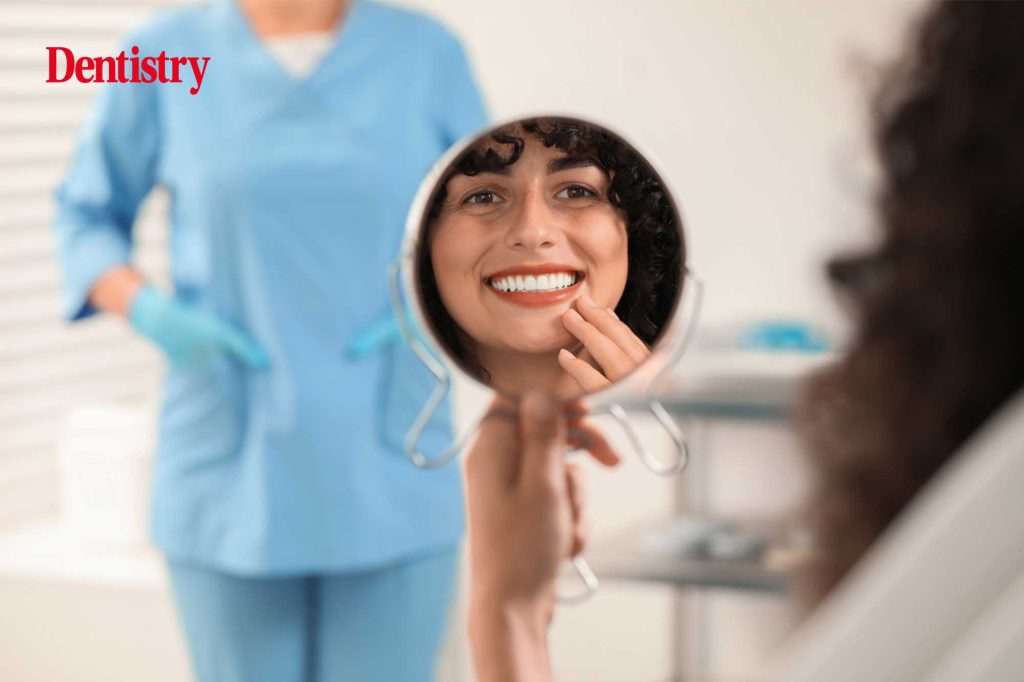
Ivoclar discusses the popularity of veneers: what are benefits, what are the best materials to use and are there any pitfalls?
Veneers are among the most common treatments in dentistry – and for a good reason. These thin ceramic coverings are the result of expert craftsmanship and their placement in the oral cavity is just as demanding as their creation.
The quality of intraoral cementation has a decisive impact on the aesthetic outcome and long-term stability of restorations.
The adhesive technique is the only approved cementation method for veneers. While the adhesive cementation procedure presents some challenges, it nonetheless delivers reliable and aesthetically pleasing results. Because of the delicate structure of veneers and the precision required for their proper placement, there is little room for error.
Various challenges are involved, including choosing the right luting material, ensuring correct placement on the tooth and managing the simultaneous handling of several veneers. Overall, the procedure requires practice, skill, a precise protocol and a technically-advanced luting material.
The solution for everyday clinical practice
This is where Variolink Esthetic (Ivoclar) comes into play: a modern luting material that enables a precise application method due to its optimised viscosity and thixotropic consistency. These two features make intraoral veneer placement less stressful and more comfortable. Below, Ivoclar explains why:
Why consistency matters
The consistency of the luting material plays a crucial role in everyday clinical practice. An ideal cementation material should be firm enough to prevent running during application, yet fluid enough to allow the precise positioning of the veneer on the tooth.
Variolink Esthetic features a specially designed thixotropic consistency that does just that, making it easy to place it exactly where it is needed. What makes it special: when pressure is applied, the material becomes more fluid, and once the pressure is released, it solidifies again.
The latest generation of the light-curing variant, Variolink Esthetic LC, has been further improved to offer even better viscosity. For instance, the optimised viscosity provides users with enhanced tactile feedback. When the veneer is placed correctly on the tooth, a noticeable resistance is felt.
Tactile feedback provides dentists with complete control during every veneer placement, ensuring maximum precision.
Technical details and improvements
Variolink Esthetic LC stands out for its technologically advanced features. The specific interaction between the fine-grained, spherical fillers and the monomer matrix is responsible for the remarkable thixotropic behaviour of Variolink Esthetic LC.
In spite of its stable consistency, the material becomes flowable when pressure is applied – such when extruding it from the syringe or during restoration placement. As soon as the pressure is released, it returns to a stable state. This property facilitates excess removal and reduces the risk of residue flowing into the sulcus.
This article is sponsored by Ivoclar.


