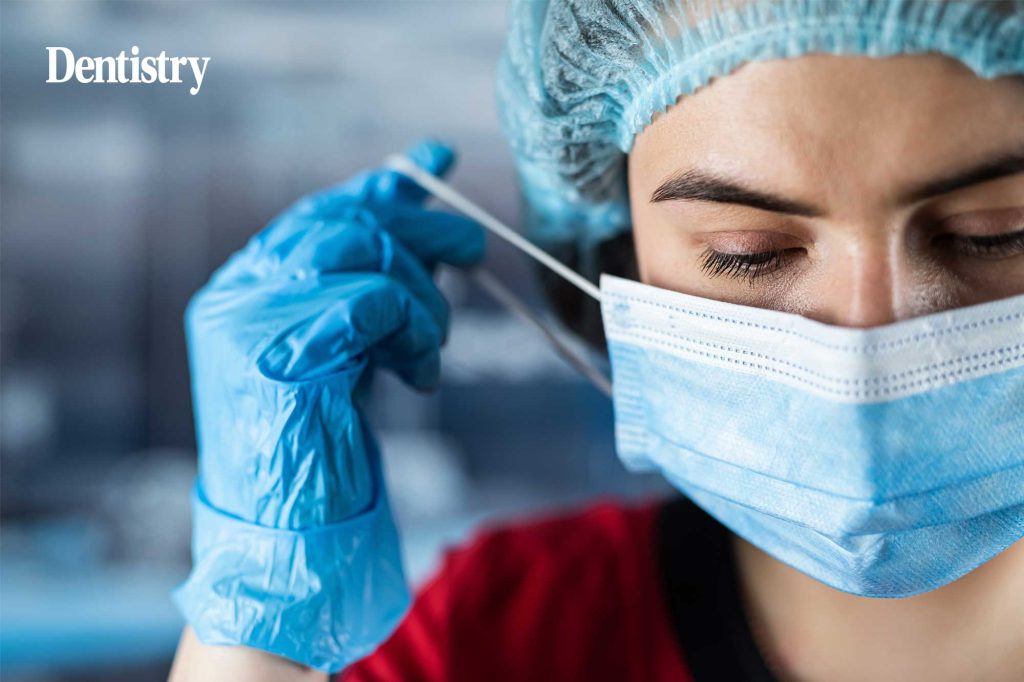
Disposable face masks, such as surgical masks and filtering facepieces used in clinical dentistry, have been found to release harmful microplastics in a new study.
Researchers placed unused face masks in pure water for 24 hours and assessed the quantity of microplastics and chemicals left in the water. Even without wear or movement, the masks were found to release microplastic particles and chemical additives – suggesting they are present from the manufacturing process.
Filtering facepieces were shown to release three to four times more microplastics than standard surgical masks. Most of these particles were smaller than the width of a human hair and made of polypropylene, a common plastic used in mask production. Other plastics such as polyethylene, polyester, nylon and PVC were also detected.
The study’s authors said that the microplastics and chemical additives could be harmful both to the environment and to human health. As plastics do not break down easily, they can accumulate in the environment and cause harm to ecosystems and wildlife. Once in the human body, the chemicals may disrupt hormones or have negative health effects.
‘Urgent need to rethink how we produce, use and dispose of face masks’
In addition to microplastics, chemicals such as Bisphenol B were released by some types of mask. These substances are known to harm aquatic life and may affect people if they enter food or water systems. Bisphenol B is thought to interfere with hormonal signaling, reduce testosterone production and disrupt the reproductive system.
Study author Anna Bogush said: ‘This study has underlined the urgent need to rethink how we produce, use and dispose of face masks. We can’t ignore the environmental cost of single-use masks, especially when we know that the microplastics and chemicals they release can negatively affect both people and ecosystems.
‘As we move forward, it’s vital that we raise awareness of these risks, support the development of more sustainable alternatives and make informed choices to protect our health and the environment.’
The study was led by the University of Coventry and published in Environmental Pollution.
Follow Dentistry on Instagram to keep up with all the latest dental news and trends.