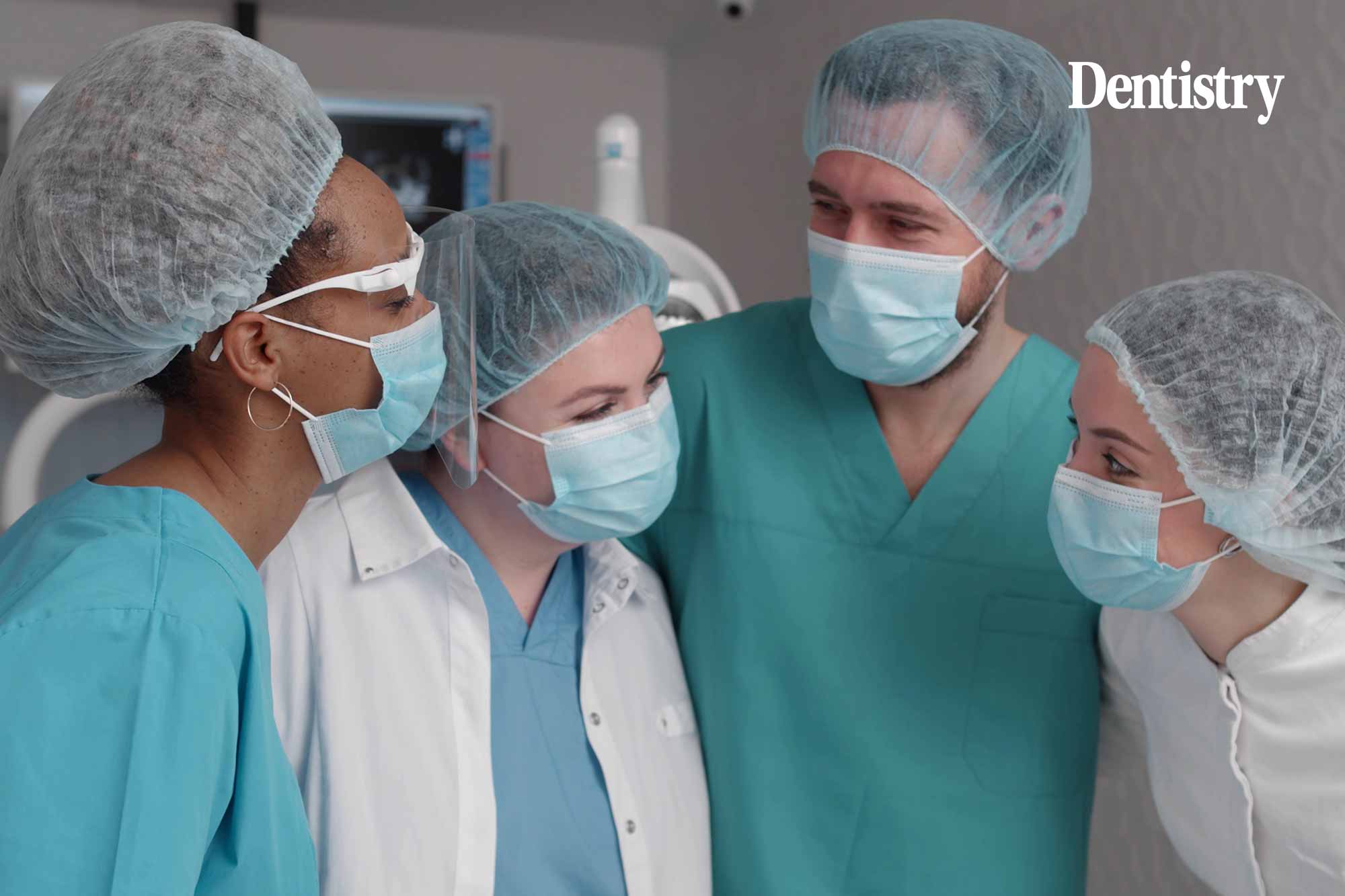
Calls have been made for better public education on the dental team after research found ‘critical knowledge gaps’ regarding different roles.
Published in the BDJ, a new study found ‘limited public understanding’ of the different dental team member roles, with participants also lacking clarity on how and when to access urgent dental care.
Most participants demonstrated a limited understanding of the broader dental team and were unaware of all key roles
Only a few participants mentioned roles such as ‘dental technicians’ (one participant) and ‘orthodontists’ (two participants). No participants identified or expressed awareness of the ‘dental therapist’ role.
For example, one participant did not feel that the team members had different titles or provided different services – instead seeing them all as ‘dental service providers’.
‘They’re still dentists, they’re still part of the dental services,’ they said.
‘So although you’ve listed them out separately, for me, and for most laypeople, they see them as one family…they don’t see them as different…they might be different individuals, but they’re not different service care providers.’
Calls for education campaigns
Despite many participants not knowing who to contact or where to go in a dental emergency, many voiced various factors that would help them identify if their situation was a dental emergency. This included constant bleeding, severe pain that cannot be managed by regular painkillers and post-oral surgery complications.
Only a few participants said that they would use the NHS 111 service to access emergency dental services.
Researchers suggest the findings reveal critical knowledge gaps about dental team member roles and urgent dental care processes. The team say they play a key role in patients making informed choices about appropriate care pathways and using the available skill mix in the dental team.
Now, calls have been made for targeted public education campaigns to address the education gaps, improve patient confidence in seeking care from other dental team members, and enhance service efficiency.
Researchers concluded: ‘Through better communication, we can enhance patient confidence in receiving care from a broader range of dental professionals and improve the efficiency of general and emergency dental services.
‘Such developments could also contribute to increased cost-effectiveness of dental services and enhanced job satisfaction among dental care professionals, fostering a more sustainable and motivated workforce.’
Follow Dentistry on Instagram to keep up with all the latest dental news and trends.