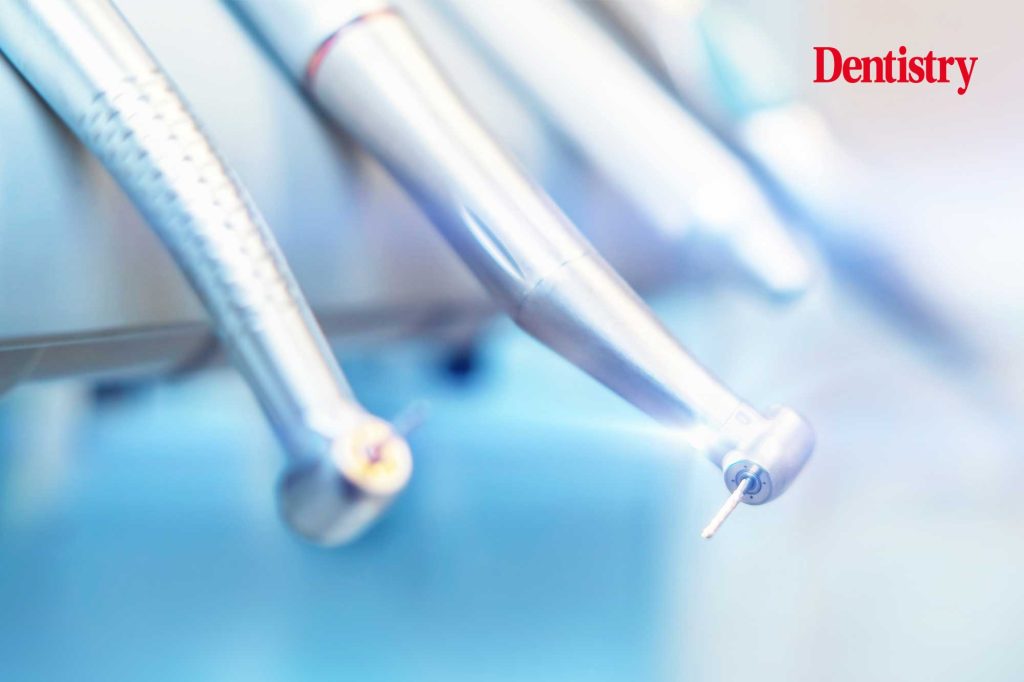
The BDIA explains why it’s crucial to be wary of counterfeits when buying dental equipment and where to find reputable suppliers.
Understanding the risk
Online shopping has become a part of our daily lives, whether it’s for groceries or bigger purchases like vacations and cars. While there are fantastic deals available, the rise of online shopping has also led to a troubling increase in the sale of counterfeit, sub-standard, and even stolen goods. This issue affects many industries, including dentistry, where it can be particularly harmful. These fake products can be almost indistinguishable from the real thing, yet they pose significant risks, being both illegal and potentially dangerous.
The most frequently counterfeited items in dentistry tend to be disposable products. However, even high-value equipment, such as handpieces, curing lights, and X-ray machines – mostly manufactured in China – are being replicated and sold on platforms like Alibaba, Amazon, and eBay. Unfortunately, these items are making their way into dental practices across the UK.
Counterfeit products have become increasingly sophisticated, often sporting fake CE marks, barcodes, serial numbers, and holographic labels. Even their documentation is expertly forged, making it almost impossible for an untrained eye to detect.
Growing complaints about fake products
More and more, dental manufacturers are receiving complaints about products that turn out to be counterfeit. Handpieces, in particular, are commonly replicated. Genuine handpieces are precision instruments developed by specialised manufacturers, who invest heavily in research and development to ensure that professionals can deliver the best treatment results safely. This innovation and quality are reflected in their prices.
While cheaper knock-offs are readily available online, the question arises: is it worth risking your professional reputation and patient safety for a ‘bargain’? The high-speed and power required in a dental handpiece demand high-quality materials and rigorous production standards to ensure both safety and durability. Inferior products could jeopardise the safety of your team and patients.
How to spot counterfeit goods
Sonia Tracey, managing director of leading handpiece manufacturer W&H, emphasises the importance of traceability.
‘We use serial numbers and unique data matrix coding on each item, so we can trace our products,’ she explains. ‘Dentists who knowingly use illegal, non-compliant products risk both their patients’ safety and their own professional registration.’
Alex Breitenbach, managing director of NSK United Kingdom Ltd, echoes these concerns: ‘Where you buy from, and the price, should be your first clue that it might be a fake,’ he says. ‘Once the product is in your hand, it’s already too late to wonder if it’s not what it seems.’
The Medicines and Healthcare Products Regulatory Agency (MHRA) has seized thousands of counterfeit dental items. Their investigations have uncovered alarming examples, including equipment that breaks down almost immediately or disintegrates inside patients’ mouths. One particularly shocking discovery was X-ray equipment that used kitchen foil, instead of lead, to block radiation.
However, counterfeiters are becoming increasingly clever. MHRA experts warn that it’s incredibly difficult to spot a fake just by looking at it. The key is to suspect an item may be counterfeit before purchasing. Always check the supply chain and be wary of where a product originates. Websites may look convincing, but major manufacturers do not sell their products on platforms like eBay. As they say: buyer beware.
The General Dental Council (GDC) reinforces this advice, urging all registered professionals to ‘carry out appropriate checks to ensure the products they are purchasing are legitimate’.
Combating the counterfeit problem
The issue of counterfeit dental products has become so widespread that the British Dental Industry Association (BDIA) launched the Counterfeit and Sub-standard Instruments and Devices Initiative (CSIDI) several years ago. This initiative aims to protect dental professionals, industry members and the public from the risks associated with fake products. More information is available on the BDIA website, where suspicious activity can also be reported.
One of the best ways to protect yourself is by getting to know your suppliers. BDIA members follow a strict code of practice, giving dental professionals confidence that the products they purchase are genuine and of high quality.
Ultimately, it’s essential to buy from reputable suppliers and ensure you know where your products come from. It’s simply not worth risking patient safety, staff safety, or your professional registration for the sake of a discount. Remember, if a deal seems too good to be true, it probably is.
The BDIA offers its Member Directory as a reliable resource for dental business owners to find and source suppliers of dental equipment and consumables which are members of the British Dental Industry Association (BDIA) and are bound by a strict Code of Practice. Eliminating the guesswork and mitigating risks associated with choosing a supplier. With just a few clicks, you can access pertinent information, explore available products, and initiate contact with potential partners, ensuring your business remains well-equipped and supported.
Find a trusted BDIA member supplier of dental equipment via the BDIA Member Directory here.
This article is sponsored by the BDIA.